
Oracle
Builds enterprise databases, cloud infrastructure, business applications, and healthcare software.
Something off on this page? Send us feedback.
Oracle’s old database and software-support franchises still pay the bills, while the company is rapidly becoming a builder and landlord of computing capacity for artificial intelligence. Business applications add another recurring layer. The transformation hangs on turning an enormous contracted order book into working datacenters without letting construction costs, financing, or one huge customer overwhelm the dependable core.
The shape of the businessjudgment weights, not filed revenue
What Oracle is made of9 items in full · 9 more below
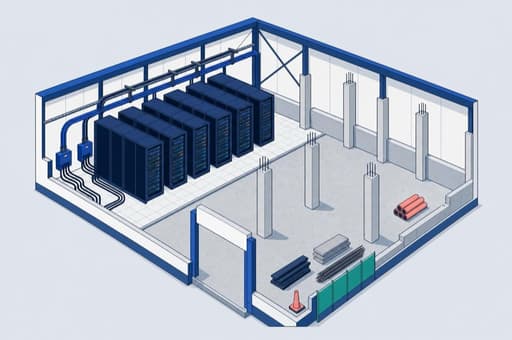
Oracle Cloud Infrastructure
Oracle rents computing power, storage, and network capacity. Its $638B order book makes completed, occupied datacenters—not demand—the central thing to watch.
Competes with EC2 accelerated computing instances (Amazon) · CoreWeave Cloud (CoreWeave)
In plain English
A vast rental fleet of computers, with much of the fleet still being built.
OpenAI and other large customers reserve or consume computing power for training and running artificial-intelligence systems, while ordinary companies also rent processors, storage, and network connections. The whole infrastructure line produced $18.10B in FY2026 and grew 77%. Delivering it requires specialized chips, networking gear, electricity, leased sites, and construction before Oracle gets the full revenue. Some customers supply or prepay for chips, and development partners finance much of the secured power capacity.
What it hangs onThe order book becomes a business only as power, chips, permits, and buildings arrive together and customers keep the finished machines busy. Empty or delayed capacity leaves Oracle carrying heavy construction and financing costs before the rent turns up.
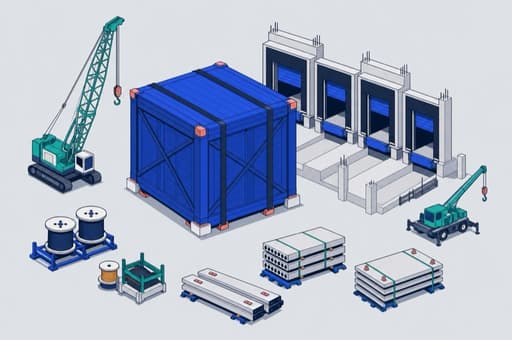
OpenAI Stargate Infrastructure Program
A five-year OpenAI capacity commitment, not a separate revenue line. OpenAI is likely a major contracted customer, though Oracle does not reveal its exact weight; site delivery is the watchpoint.
Competes with Azure cloud services (Microsoft) · CoreWeave Cloud (CoreWeave)
In plain English
One enormous reservation for computing rooms that do not all exist yet.
OpenAI has committed to a five-year Oracle relationship spanning Abilene and additional United States sites. It pays for usable computing capacity as that capacity is delivered or consumed, so dividing the commitment evenly by five would misstate the business. The program calls for more than two million specialized chips. SoftBank and Vantage help develop and finance sites, while chip, server, network, and power suppliers must arrive before Oracle can turn the promise into service revenue.
What it hangs onThis program works when Oracle can open sites on schedule and OpenAI remains able and willing to use the reserved capacity. Delays in chips, power, permits, construction, or financing push the money out; customer-credit trouble would make the concentration matter even more.

Oracle Software Licenses and Software Support
The installed base pays Oracle year after year; recurring support alone brought in $19.80B. Watch whether cloud moves keep customers inside Oracle or give them a reason to leave.
Competes with Db2 database software (IBM) · Postgres AI migration platform (EnterpriseDB)
In plain English
A maintenance contract that quietly bankrolls the new datacenters.
Enterprises and public agencies buy licenses and recurring support for Oracle Database, middleware, Java, and older applications running on their own systems. They keep paying for security updates, compatibility, and help because replacing deeply embedded software is risky and expensive. FY2026 software licenses and support produced $24.54B, mostly support. Delivery relies on research and support staff rather than new physical infrastructure, so each renewal costs relatively little to serve and throws off cash for the cloud build-out.
What it hangs onIts job is to remain dependable while customers modernize. If Oracle can move them toward its cloud without breaking compatibility or trust, the relationship survives in a new form; weak security or a painful migration gives open-source and cloud-native alternatives their opening.
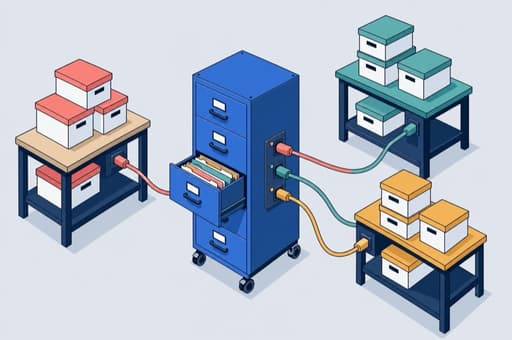
Oracle AI Database Cloud Services and Multicloud
Managed Oracle databases placed beside customers’ applications on several clouds. In FY2026’s fourth quarter, spectacular multicloud growth came from a small base; sustained customer use matters more than the percentage.
Competes with Db2 managed and hybrid database (IBM) · Postgres AI cloud platform (EnterpriseDB)
In plain English
The same filing cabinet, rolled next door to wherever the customer works.
Companies pay Oracle to run and maintain its database for them, either in Oracle facilities, at the customer’s site, or beside applications already hosted by Amazon, Microsoft, or Google. Keeping the database close reduces the delay and complexity of moving information between systems. Oracle earns as customers use the service, while partner marketplaces and joint sales bring it to buyers that might never move their applications to Oracle’s cloud. Partner infrastructure also takes a share of the work.
What it hangs onMomentum holds when connections stay fast, licensing stays understandable, and the cloud partners still benefit from selling Oracle alongside their own databases. Any friction in compatibility, pricing, or joint sales turns proximity from an advantage into another layer customers must manage.
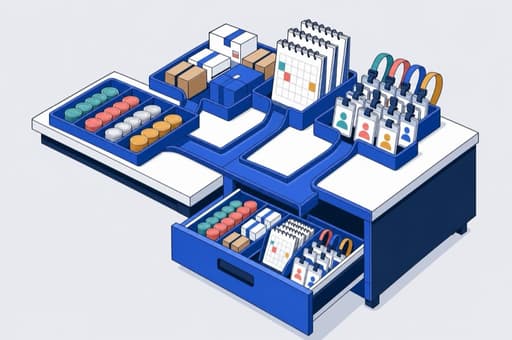
Oracle Fusion Cloud Applications
Oracle’s main subscription suite for finance, planning, supply chains, employees, and customer operations. Roughly a tenth of company revenue depends on long implementations becoming durable subscriptions.
Competes with S/4HANA Cloud (SAP) · Financial and workforce management (Workday)
In plain English
The shared back office where a large company keeps its books and plans its work.
Large organizations subscribe to Fusion to run finance, planning, purchasing, supply chains, employee records, and customer operations in one connected suite. They keep paying because these processes touch nearly every department and are hard to replace once configured. Systems integrators earn from migration and staff training; Oracle earns the recurring subscription and hosts the software on Oracle Cloud Infrastructure. Delivery costs include product development, cloud hosting, implementation help, and the steady work of shipping updates without interrupting the customer’s operations.
What it hangs onA signed subscription starts paying properly after data moves, workflows are rebuilt, and employees adopt the new system. Smooth implementations and reliable updates deepen the recurring relationship; a delayed launch or disruptive release postpones revenue and invites SAP or Workday into the replacement decision.
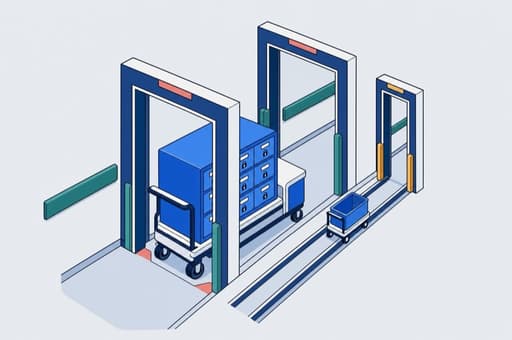
Oracle Health and Industry Applications
Hospital records plus specialized software for several industries. In 2025, Oracle Health held roughly one-fifth of United States acute-care installations, while Epic led with more than two-fifths.
Competes with Epic electronic health records (Epic Systems) · Expanse electronic health records (MEDITECH)
In plain English
A hospital’s working memory, carried from the front desk to the bedside.
Hospitals and public health systems pay Oracle Health to store patient records and guide clinical work; the wider line also supplies specialized applications for hospitality, retail, banking, construction, communications, restaurants, and government. Customers remain because replacing a live operating system is difficult, but they demand safe, private, connected software that clinicians and staff will actually use. Oracle pays for clinical-software teams, cloud hosting, certification, security, and labor-heavy implementation as each organization redesigns its workflows.
What it hangs onExpansion depends on trust at the point of care. Safe releases, clean connections to other systems, and clinician acceptance let Oracle extend deployments; outages, privacy failures, or cumbersome workflows make an already stronger Epic the easier replacement choice for hospitals.
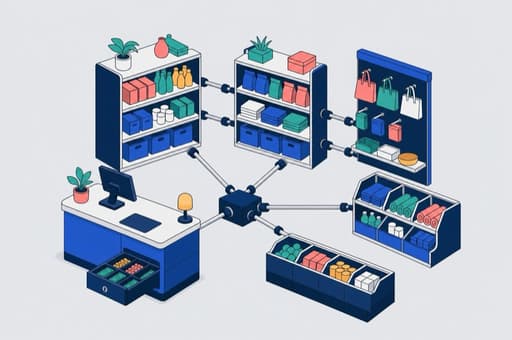
NetSuite Applications Suite
An all-in-one operating suite for smaller and midsized organizations. In FY2026’s third quarter, revenue grew 11%; retention must hold as customers gain complexity and alternatives multiply.
Competes with Dynamics 365 Business Central (Microsoft) · Sage Intacct (Sage)
In plain English
A growing company’s first proper control room after spreadsheets stop coping.
Smaller and midsized organizations subscribe to NetSuite for accounting, commerce, inventory, and customer management in one system. A growing business buys when separate tools and spreadsheets can no longer keep several locations or legal entities straight. Accountants and local solution providers help sell, configure, and adapt it; Oracle hosts the service on Oracle Cloud Infrastructure and funds continuing product work. The buyers are smaller than Fusion customers and can switch more readily, so localization, useful connections to other tools, and service quality matter greatly.
What it hangs onNetSuite earns its place as customers outgrow basic accounting tools but are not ready for a giant-company rollout. The line stays sticky when setup remains manageable and the suite grows with the buyer; difficult integrations or weak local support lower the cost of leaving.
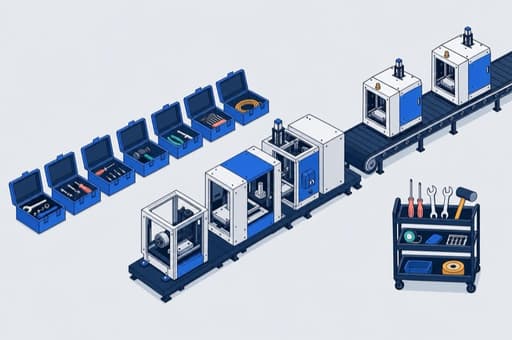
Oracle Services
Consultants install, migrate, and support Oracle systems, producing $5.74B in FY2026. The work unlocks product sales, but every project needs skilled people and careful timing.
Competes with Oracle consulting services (IBM) · Oracle services (Accenture)
In plain English
The assembly crew that turns expensive software into a working workplace.
Organizations buying Oracle products also pay teams to move data, configure the system, redesign processes, and keep complicated deployments running. Oracle’s own consultants share this work with independent firms such as Accenture and IBM. Successful projects help subscriptions start and make customers more likely to stay, so services enable the larger software business. Unlike support or software subscriptions, however, each engagement consumes skilled labor as it is delivered; Oracle must keep the right people assigned without leaving them idle between projects.
What it hangs onThe economics turn on matching scarce skills to project schedules. Timely launches keep consultants occupied and open the door for subscription revenue; postponed customer decisions, hiring gaps, or failed go-lives leave expensive teams waiting and can send the next project to an outside integrator.
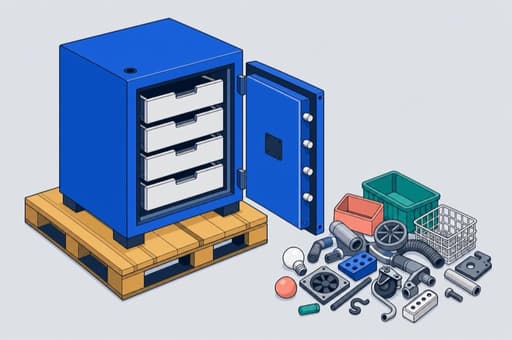
Oracle Hardware and Engineered Systems
Exadata and other purpose-built database machines brought in $3.08B. They serve customers keeping systems on their own premises; Oracle’s own cloud machines are construction spending, not sales.
Competes with LinuxONE (IBM) · Enterprise servers and storage (HPE)
In plain English
A database appliance delivered as one fitted machine instead of a box of parts.
Customers with databases on their own premises buy Exadata, Database Appliance, and recovery systems built to run Oracle software together with the underlying equipment. Oracle earns when the machine is delivered, often alongside licenses, support, and installation work. It outsources most manufacturing, so component vendors and customer equipment budgets shape supply and demand. This line does not include the servers and specialized chips Oracle installs inside Oracle Cloud Infrastructure; those are costs of building its own rental infrastructure rather than products sold to a customer.
What it hangs onEngineered systems retain a niche when customers value an integrated Oracle machine more than a commodity server or a move to the cloud. Component shortages, weaker customer equipment budgets, or too little differentiation shrink the reason to buy the appliance.


Also on the mapnamed in filings, launches and programs
- MySQL HeatWavePlatformA managed MySQL service for transactions, analysis, and machine learning, offered through Oracle Cloud Infrastructure and partner-cloud settings.
- JavaEcosystemA widely used software runtime and development platform that Oracle monetizes mainly through commercial support.
- Oracle MiddlewareProduct lineWebLogic, GoldenGate, and integration software that connects applications and databases across licenses, support, and cloud use.
- Oracle Linux and VirtualizationProduct lineOperating-system, virtualization, and support software used on customer premises and inside Oracle’s cloud.
- Legacy Oracle ApplicationsProduct lineE-Business Suite, PeopleSoft, JD Edwards, and Siebel remain installed at customers and still generate licenses and recurring support.
- OCI Distributed CloudPlatformDedicated, customer-site, sovereign, and partner-operated versions of Oracle Cloud Infrastructure for computing that cannot sit in an ordinary public region.
- Fusion AI Agents, Token Bundles, and Outcome-Based PricingProduct line · RampingCore artificial intelligence stays inside subscriptions; advanced reasoning can use paid bundles, with some pricing tied to completed outcomes.
- TikTok US Data Operations InvestmentBrandOracle owns fifteen percent, holds a board seat, and continues providing services to TikTok’s separated United States data operation.
- Undisclosed FY2026 Q4 AI Infrastructure ContractsCustomer program · RampingFour unnamed customers each committed more than $8B for Oracle Cloud Infrastructure capacity; their names and exact place in contracted orders remain undisclosed.
The shape band is Stockpolly's judgment of where the business sits and where it is heading — not a reported revenue split. Item facts are FY2026 · year ended May 31, 2026, from filings, earnings calls and company pages; ~ marks estimates.