
Invesco S&P 500 High Dividend Low Volatility ETF (SPHD)
Miss Your Medicare Enrollment Window at 65 and the Penalty Follows You for Life. These 3 ETFs Make Sure It Never Stings
Miss your Medicare enrollment deadline at 65 and the government attaches a permanent surcharge to every premium you ever pay. Three ETFs offer very different strategies for fighting back, and choosing the wrong one could quietly push you into an even costlier Medicare bracket.

With S&P 500 Dividend Yield at All-Time Low, Consider This ETF
As Creative Planning Chief Market Strategist Charlie Bilello notes, the dividend yield on the S&P 500 has declined to a paltry 1.04% — a record low. The bright side in that scenario?
Is Invesco S&P 500 High Dividend Low Volatility ETF (SPHD) a Strong ETF Right Now?
Making its debut on 10/18/2012, smart beta exchange traded fund Invesco S&P 500 High Dividend Low Volatility ETF (SPHD) provides investors broad exposure to the Style Box - Large Cap Value category of the market.
Should Invesco S&P 500 High Dividend Low Volatility ETF (SPHD) Be on Your Investing Radar?
If you're interested in broad exposure to the Large Cap Value segment of the US equity market, look no further than the Invesco S&P 500 High Dividend Low Volatility ETF (SPHD), a passively managed exchange traded fund launched on October 18, 2012.

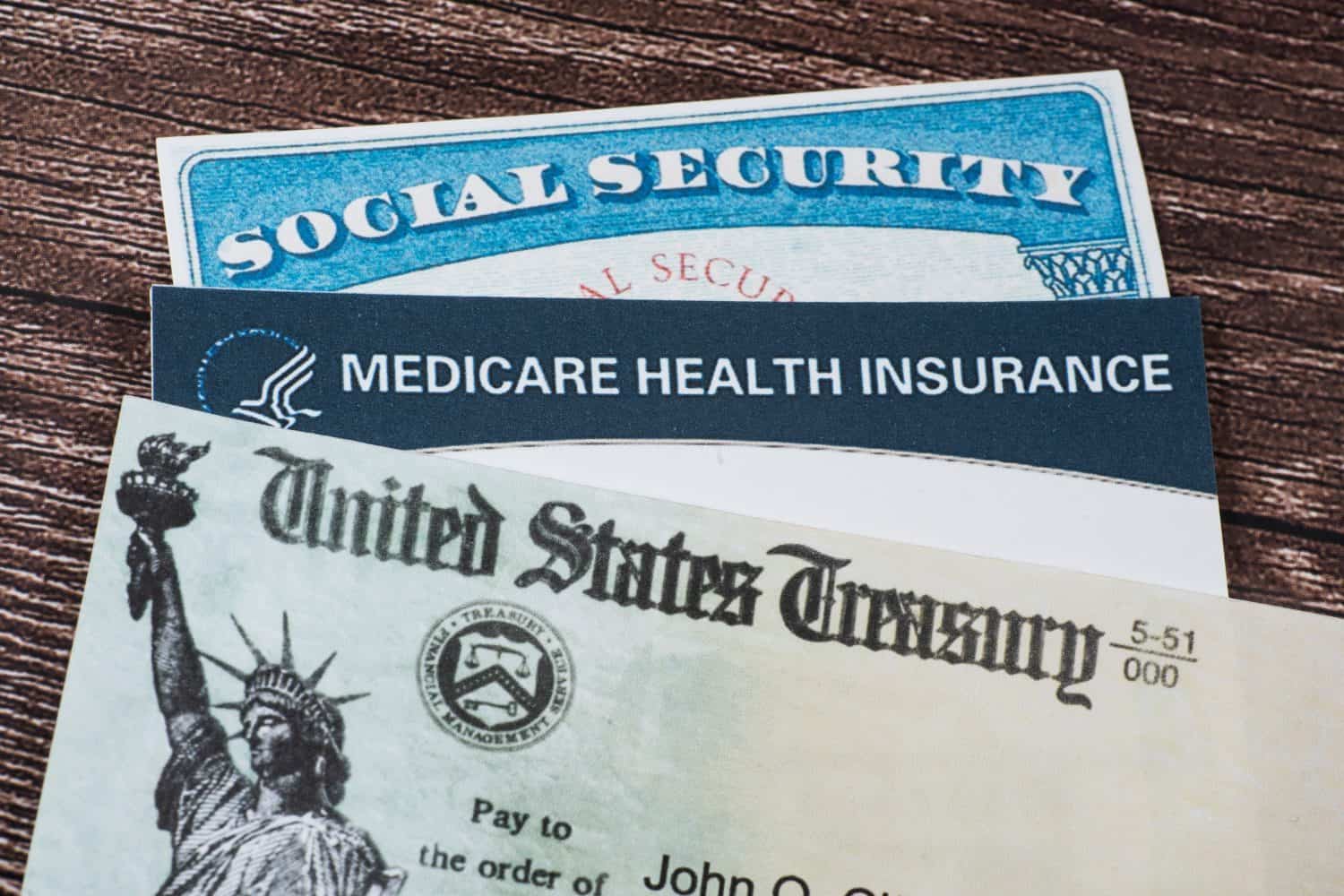
Medicare Now Takes $202.90 a Month Straight From Your Social Security Check. These 3 ETFs Pay It Back
Medicare quietly pockets a chunk of your Social Security before it ever reaches you, and the gap between what you expect and what you receive keeps widening every year. Three ETFs target that exact shortfall with income built to arrive on a schedule.
SPHD: The Monthly Dividend ETF I Judged Too Harshly
SPHD: The Monthly Dividend ETF I Judged Too Harshly

SPHD's 4.4% Yield Grows While Market Swings Slow to Half Speed
Invesco S&P 500 High Dividend Low Volatility ETF (NYSEARCA:SPHD) screens the S&P 500 for the highest-yielding names, then filters for the lowest realized volatility, producing a portfolio built for shallower drawdowns and steady monthly checks.

Dividend Safety Check: SPHD and High-Dividend, Low-Volatility Income
For income investors who flinch at portfolio drawdowns, the Invesco S&P 500 High Dividend Low Volatility ETF (NYSEARCA:SPHD) has long been a go-to vehicle.
Is Invesco S&P 500 High Dividend Low Volatility ETF (SPHD) a Strong ETF Right Now?
Designed to provide broad exposure to the Style Box - Large Cap Value category of the market, the Invesco S&P 500 High Dividend Low Volatility ETF (SPHD) is a smart beta exchange traded fund launched on 10/18/2012.
Should Invesco S&P 500 High Dividend Low Volatility ETF (SPHD) Be on Your Investing Radar?
Designed to provide broad exposure to the Large Cap Value segment of the US equity market, the Invesco S&P 500 High Dividend Low Volatility ETF (SPHD) is a passively managed exchange traded fund launched on October 18, 2012.
SPHD's High Dividend Low Volatility Promise Has Returned Just 6 Percent Annualized While the S&P 500 Doubled It
The Invesco S&P 500 High Dividend Low Volatility ETF (NYSEARCA:SPHD | SPHD Price Prediction) sells the most appealing pitch in income investing: take the highest yielders in the S&P 500, filter for the calmest fifty, collect monthly checks.
SPHD Pays Monthly Income Without Fail Since 2012; Here's What Could Break the Streak
The Invesco S&P 500 High Dividend Low Volatility ETF (NYSEARCA:SPHD | SPHD Price Prediction) sends income to shareholders every month, with distributions rising roughly 23% in 2025 and 2026 monthly payouts climbing to around $0.208 per share, with a current 30-day SEC yield of 4.5%.
SPHD: Repricing The Value Of Defensiveness
SPHD is upgraded from Hold to a cautious Buy amid rising macro uncertainty. SPHD demonstrated resilience during recent market drawdowns, fulfilling its volatility-dampening and defensive mandate despite structural limitations. Portfolio shifts toward energy, consumer defensives, and financials enhance inflation and commodity resilience, though REIT exposure (~20%) and low tech allocation remain concerns.
SPHD: Dividend Income Through Uncertain Economic Conditions
Invesco S&P 500 High Dividend Low Volatility ETF earns a "Buy" rating for its defensive positioning amid heightened market volatility and inflationary pressures. SPHD's portfolio emphasizes real estate (20.1%), consumer staples (18%), and financials (15.61%), aiming for income durability and lower volatility. The ETF offers a 4.43% yield with monthly distributions, though it lags peers in total performance and charges a higher 30bps expense ratio.
Greenberg Financial Group Makes New Investment in Invesco S&P 500 High Dividend Low Volatility ETF $SPHD
Greenberg Financial Group bought a new position in Invesco S&P 500 High Dividend Low Volatility ETF (NYSEARCA:SPHD) during the undefined quarter, according to the company in its most recent filing with the Securities and Exchange Commission (SEC). The institutional investor bought 35,468 shares of the company's stock, valued at approximately $1,702,000. Invesco
Are Dividends Back? This Dividend ETF SPHD Soared in Q1
Key Takeaways Dividend ETF strategies may be a place to watch right now. Investors have options like SPHD, which has outperformed the S&P 500 recently.
Is Invesco S&P 500 High Dividend Low Volatility ETF (SPHD) a Strong ETF Right Now?
The Invesco S&P 500 High Dividend Low Volatility ETF (SPHD) made its debut on 10/18/2012, and is a smart beta exchange traded fund that provides broad exposure to the Style Box - Large Cap Value category of the market.
2 Dividend ETFs That Easily Meet The 4% Safe Withdrawal Rule For Retirees
Tony Dong is the founder of ETF Portfolio Blueprint.
Should Invesco S&P 500 High Dividend Low Volatility ETF (SPHD) Be on Your Investing Radar?
Looking for broad exposure to the Large Cap Value segment of the US equity market? You should consider the Invesco S&P 500 High Dividend Low Volatility ETF (SPHD), a passively managed exchange traded fund launched on October 18, 2012.
The Income ETF Built for Bear Markets: Why SPHD Belongs in Every Retirement Portfolio
When markets get choppy and retirement accounts start shrinking, most retirees face the same uncomfortable tension: they need income now, but they can't afford to watch their portfolio collapse.