
Adobe (ADBE)
Subscription software for creative production, document workflows, and enterprise marketing.
Something off on this page? Send us feedback.
Adobe is overwhelmingly a subscription software company: creative work and documents pay most of the bills, while software for big companies' websites and marketing adds a smaller enterprise engine. It is weaving generative creation and search visibility into those products, using free entry points and pay-as-you-go use to find growth beyond paid seats.
Item facts: FY2025 · year ended Nov 28, 2025, from filings, earnings calls and company pages.
Judgment weights, not filed revenue
The band summarizes business focus and direction. ~ marks estimates.
8 in detail · 11 more below
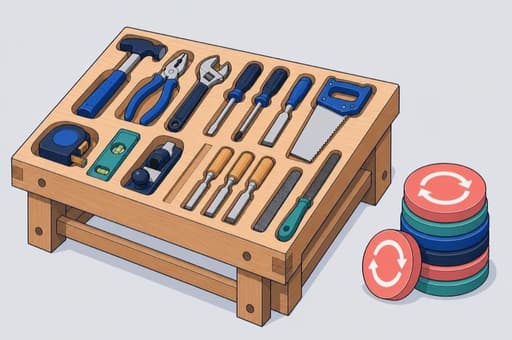
Adobe Creative Cloud Pro
Adobe's main cash engine bundles more than twenty tools for images, design, video, and publishing. Its scale funds the AI push; watch whether cheaper browser tools and newer AI rivals pull lighter users away.
Competes with Figma Design (Figma) · Canva Enterprise (Canva)
In plain English
The unglamorous truth behind Adobe's creative fame is a monthly software bundle. A photographer may want Lightroom, a designer Illustrator, and a video editor Premiere, but Creative Cloud Pro puts more than twenty such tools under one recurring payment, along with an allowance for AI-made content.
Individuals, schools, agencies, and large companies pay for one app or the whole set. Adobe keeps earning while those tools remain the familiar workbench people learn, share files through, and build their jobs around; the risk is that simpler browser tools become good enough.
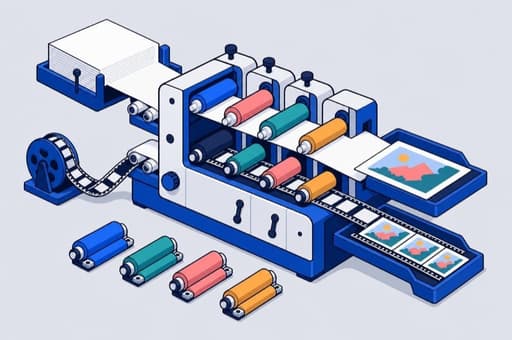
Adobe Firefly
Firefly makes images, video, and design pieces from instructions, both inside Adobe apps and as a stand-alone service. Direct sales were nearing a $300 million yearly pace; watch usage costs and easy substitution.
Competes with Runway generative media (Runway) · Veo (Google DeepMind)
In plain English
Describe a picture or video, and Firefly produces a draft; open an Adobe app, and the same machinery can extend an image or create variations. It is less a separate shop than a new motor fitted into many Adobe tools.
People pay for generation allowances, while companies can connect Firefly to their own production systems and pay as they use it. That creates direct sales, but much of Firefly's job is also to make existing subscriptions harder to leave. Adobe must keep output useful and rights-safe without letting computing costs eat the proceeds.

Adobe Acrobat + Adobe Express
Acrobat handles everyday PDF work; Express makes quick social posts, videos, and branded designs. Free readers and editors feed paid plans, making this Adobe's second-largest disclosed customer group; watch whether free users upgrade and stay.
Competes with PDF Editor+ (Foxit) · Canva Enterprise (Canva)
In plain English
A PDF arrives, needs a signature, a correction, or answers hidden in fifty pages: that is Acrobat's territory. Express tackles the quicker creative jobs, such as turning a template into a social post or short video. Adobe discloses them together, so their individual sales are unknown.
The free versions act like a busy shop entrance. Shared documents, browser add-ons, and phone apps bring people in; individuals and organizations pay when they need fuller editing, signing, AI-assisted reading, brand controls, or team features. Their staying power depends on PDFs remaining universal and the upgrade feeling worth it.
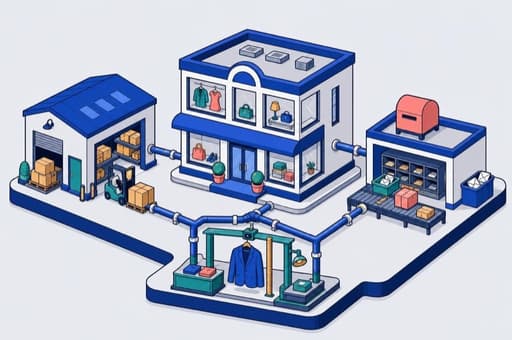
Digital Experience
This software family for large companies joins customer data, websites, content production, delivery, and measurement. Adobe's company-wide order book—future purchases customers have promised—was $22.27 billion in Q2 FY2026; watch whether those promises lift this slower-growing family.
Competes with Data 360 (Salesforce) · XM Cloud (Sitecore) · Arc (Typeface)
In plain English
Imagine a large retailer trying to remember what millions of shoppers liked, keep every page current, make thousands of ads, and learn which ones worked. Digital Experience is Adobe's collection of software for joining those jobs.
Large organizations pay through longer contracts for software access, online hosting, help, and sometimes committed future use. Agencies and technical consultants often assemble the pieces. Once a company's customer records, websites, and campaign process run through the system, changing it is disruptive—but setup cost, privacy rules, and difficult connections can slow a purchase.
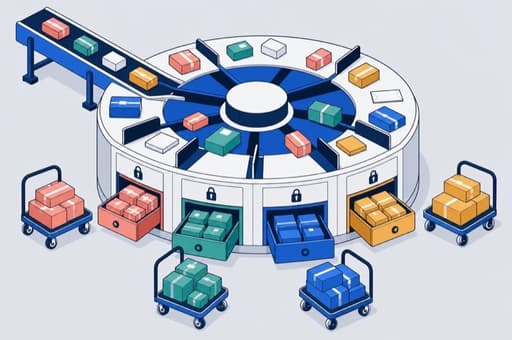
Adobe Experience Platform + Apps
AEP sorts scattered customer activity into records with rules about who may use them, then helps businesses choose the next message or action. Subscription sales were growing more than 30% in Q2 FY2026; data quality and privacy rules set the pace.
Competes with Data 360 (Salesforce) · Segment (Twilio)
In plain English
Every click, store visit, support call, and purchase can leave a separate scrap of information. AEP is the sorting room: it joins those scraps into a current customer record, controls who may use it, and helps a business decide what to show or send next.
Companies subscribe because timely, connected information can make marketing more relevant and easier to measure. Outside specialists often help fit the system to existing databases and sales tools. The software becomes more valuable as more useful records flow through it, but bad identities, missing permission, or broken connections spoil the result.
Adobe Experience Manager + Agentic Web
AEM stores and publishes the pieces behind large websites; newer tools help brands appear in AI-generated answers and assist visitors. More than 1,500 trials were underway in Q2 FY2026, but trials still must become paid everyday use.
Competes with XM Cloud (Sitecore) · Optimizely CMS (Optimizely)
In plain English
For a global company, a website is not a stack of handmade pages. It is a kit of approved words, pictures, forms, and layouts that must work across countries and devices. AEM stores that kit and sends the right pieces to each page.
Businesses pay to manage sprawling web estates and digital files without rebuilding everything for every update. Agencies help move and operate those sites. Adobe's newer additions also check how a brand appears when AI services answer questions and can guide a visitor through a site; success depends on those trials becoming useful daily tools.

Adobe GenStudio
GenStudio links campaign planning, approved assets, Firefly creation, publishing, and results so marketing teams can make many controlled versions quickly. Its subscription sales grew more than 25% in Q2 FY2026; proof of better results matters.
Competes with Arc (Typeface) · Creative Automation (Celtra)
In plain English
One campaign may need hundreds of sizes, languages, audiences, and channels, all while staying on brand. GenStudio gives marketers one place to plan that work, find approved material, create variations, send them out, and see what performed.
Big marketing teams and agencies subscribe because coordinating the same job across disconnected tools costs time and invites mistakes. Adobe can also sell it alongside its content library, Firefly, and customer-data products. Buyers keep paying only if the system connects cleanly to where ads run and shows that the extra versions improve outcomes.

Semrush
Semrush helps marketers see how sites and rivals perform in search engines and AI-generated answers. Adobe bought it in April 2026; the yearly subscription pace was $480 million, with smaller customers showing some softness.
Competes with Ahrefs (Ahrefs) · Digital Data Intelligence (Similarweb)
In plain English
Semrush is a lookout post for the crowded web. It shows marketers which searches bring visitors, what competing sites rank for, where links come from, and whether a brand appears when an AI service answers a question.
Customers subscribe for fresher data and tools that turn it into practical search and content work. Adobe can sell Semrush to its enterprise customers and connect its findings to AEM's website tools. The business still relies on access to search and web data, while spending by smaller companies can weaken quickly.


 Adobe Creative Cloud ProAdobe's main cash engine bundles more than twenty tools for images, design, video, and publishing. Its scale funds the AI push; watch whether cheaper browser tools and newer AI rivals pull lighter users away.
Adobe's main cash engine bundles more than twenty tools for images, design, video, and publishing. Its scale funds the AI push; watch whether cheaper browser tools and newer AI rivals pull lighter users away.
In plain English
The unglamorous truth behind Adobe's creative fame is a monthly software bundle. A photographer may want Lightroom, a designer Illustrator, and a video editor Premiere, but Creative Cloud Pro puts more than twenty such tools under one recurring payment, along with an allowance for AI-made content.
Individuals, schools, agencies, and large companies pay for one app or the whole set. Adobe keeps earning while those tools remain the familiar workbench people learn, share files through, and build their jobs around; the risk is that simpler browser tools become good enough.
Competes with Figma Design (Figma) · Canva Enterprise (Canva)
 Adobe FireflyFirefly makes images, video, and design pieces from instructions, both inside Adobe apps and as a stand-alone service. Direct sales were nearing a $300 million yearly pace; watch usage costs and easy substitution.
Firefly makes images, video, and design pieces from instructions, both inside Adobe apps and as a stand-alone service. Direct sales were nearing a $300 million yearly pace; watch usage costs and easy substitution.
In plain English
Describe a picture or video, and Firefly produces a draft; open an Adobe app, and the same machinery can extend an image or create variations. It is less a separate shop than a new motor fitted into many Adobe tools.
People pay for generation allowances, while companies can connect Firefly to their own production systems and pay as they use it. That creates direct sales, but much of Firefly's job is also to make existing subscriptions harder to leave. Adobe must keep output useful and rights-safe without letting computing costs eat the proceeds.
Competes with Runway generative media (Runway) · Veo (Google DeepMind)
 Adobe Acrobat + Adobe ExpressAcrobat handles everyday PDF work; Express makes quick social posts, videos, and branded designs. Free readers and editors feed paid plans, making this Adobe's second-largest disclosed customer group; watch whether free users upgrade and stay.
Acrobat handles everyday PDF work; Express makes quick social posts, videos, and branded designs. Free readers and editors feed paid plans, making this Adobe's second-largest disclosed customer group; watch whether free users upgrade and stay.
In plain English
A PDF arrives, needs a signature, a correction, or answers hidden in fifty pages: that is Acrobat's territory. Express tackles the quicker creative jobs, such as turning a template into a social post or short video. Adobe discloses them together, so their individual sales are unknown.
The free versions act like a busy shop entrance. Shared documents, browser add-ons, and phone apps bring people in; individuals and organizations pay when they need fuller editing, signing, AI-assisted reading, brand controls, or team features. Their staying power depends on PDFs remaining universal and the upgrade feeling worth it.
Competes with PDF Editor+ (Foxit) · Canva Enterprise (Canva)
 Digital ExperienceThis software family for large companies joins customer data, websites, content production, delivery, and measurement. Adobe's company-wide order book—future purchases customers have promised—was $22.27 billion in Q2 FY2026; watch whether those promises lift this slower-growing family.
This software family for large companies joins customer data, websites, content production, delivery, and measurement. Adobe's company-wide order book—future purchases customers have promised—was $22.27 billion in Q2 FY2026; watch whether those promises lift this slower-growing family.
In plain English
Imagine a large retailer trying to remember what millions of shoppers liked, keep every page current, make thousands of ads, and learn which ones worked. Digital Experience is Adobe's collection of software for joining those jobs.
Large organizations pay through longer contracts for software access, online hosting, help, and sometimes committed future use. Agencies and technical consultants often assemble the pieces. Once a company's customer records, websites, and campaign process run through the system, changing it is disruptive—but setup cost, privacy rules, and difficult connections can slow a purchase.
Competes with Data 360 (Salesforce) · XM Cloud (Sitecore) · Arc (Typeface)
 Adobe Experience Platform + AppsAEP sorts scattered customer activity into records with rules about who may use them, then helps businesses choose the next message or action. Subscription sales were growing more than 30% in Q2 FY2026; data quality and privacy rules set the pace.
AEP sorts scattered customer activity into records with rules about who may use them, then helps businesses choose the next message or action. Subscription sales were growing more than 30% in Q2 FY2026; data quality and privacy rules set the pace.
In plain English
Every click, store visit, support call, and purchase can leave a separate scrap of information. AEP is the sorting room: it joins those scraps into a current customer record, controls who may use it, and helps a business decide what to show or send next.
Companies subscribe because timely, connected information can make marketing more relevant and easier to measure. Outside specialists often help fit the system to existing databases and sales tools. The software becomes more valuable as more useful records flow through it, but bad identities, missing permission, or broken connections spoil the result.
Competes with Data 360 (Salesforce) · Segment (Twilio)
 Adobe Experience Manager + Agentic WebAEM stores and publishes the pieces behind large websites; newer tools help brands appear in AI-generated answers and assist visitors. More than 1,500 trials were underway in Q2 FY2026, but trials still must become paid everyday use.
AEM stores and publishes the pieces behind large websites; newer tools help brands appear in AI-generated answers and assist visitors. More than 1,500 trials were underway in Q2 FY2026, but trials still must become paid everyday use.
In plain English
For a global company, a website is not a stack of handmade pages. It is a kit of approved words, pictures, forms, and layouts that must work across countries and devices. AEM stores that kit and sends the right pieces to each page.
Businesses pay to manage sprawling web estates and digital files without rebuilding everything for every update. Agencies help move and operate those sites. Adobe's newer additions also check how a brand appears when AI services answer questions and can guide a visitor through a site; success depends on those trials becoming useful daily tools.
Competes with XM Cloud (Sitecore) · Optimizely CMS (Optimizely)
 Adobe GenStudioGenStudio links campaign planning, approved assets, Firefly creation, publishing, and results so marketing teams can make many controlled versions quickly. Its subscription sales grew more than 25% in Q2 FY2026; proof of better results matters.
GenStudio links campaign planning, approved assets, Firefly creation, publishing, and results so marketing teams can make many controlled versions quickly. Its subscription sales grew more than 25% in Q2 FY2026; proof of better results matters.
In plain English
One campaign may need hundreds of sizes, languages, audiences, and channels, all while staying on brand. GenStudio gives marketers one place to plan that work, find approved material, create variations, send them out, and see what performed.
Big marketing teams and agencies subscribe because coordinating the same job across disconnected tools costs time and invites mistakes. Adobe can also sell it alongside its content library, Firefly, and customer-data products. Buyers keep paying only if the system connects cleanly to where ads run and shows that the extra versions improve outcomes.
Competes with Arc (Typeface) · Creative Automation (Celtra)
 SemrushSemrush helps marketers see how sites and rivals perform in search engines and AI-generated answers. Adobe bought it in April 2026; the yearly subscription pace was $480 million, with smaller customers showing some softness.
Semrush helps marketers see how sites and rivals perform in search engines and AI-generated answers. Adobe bought it in April 2026; the yearly subscription pace was $480 million, with smaller customers showing some softness.
In plain English
Semrush is a lookout post for the crowded web. It shows marketers which searches bring visitors, what competing sites rank for, where links come from, and whether a brand appears when an AI service answers a question.
Customers subscribe for fresher data and tools that turn it into practical search and content work. Adobe can sell Semrush to its enterprise customers and connect its findings to AEM's website tools. The business still relies on access to search and web data, while spending by smaller companies can weaken quickly.
Competes with Ahrefs (Ahrefs) · Digital Data Intelligence (Similarweb)
Named in filings, launches and programs
- Adobe StockServiceLicensed images, video, templates, and three-dimensional assets sold directly and placed inside creative tools.
- Substance 3D CollectionProduct lineTools and ready-made materials for texturing, staging, and rendering three-dimensional scenes.
- Frame.ioPlatformOnline review, collaboration, and file-moving software woven into video production.
- Adobe CommercePlatformSoftware for large businesses to run online stores, housed inside the customer-experience family.
- Adobe Marketo EngageProductBusiness-marketing software that tracks potential buyers and automates how companies follow up with them.
- Adobe CampaignProductPlans and sends coordinated marketing messages across several channels for enterprise customers.
- Adobe TargetProductTests different website and app experiences, then personalizes what visitors receive.
- Publishing and AdvertisingSegmentA shrinking legacy tail of online learning, technical-documentation, web-meeting, and advertising products.
- Topaz LabsBrand · AnnouncedPlanned purchase of image and video enhancement models plus technology that runs on a user's device; closing remained pending.
- Saudi MCIT–HUMAIN access programCustomer program · AnnouncedPlanned free one-year Firefly Standard and Express Premium access for eligible people in Saudi Arabia, meant to widen use rather than produce sales.
- Enterprise committed-funds agreementsCustomer programSome enterprise customers commit money in advance for future use; Adobe does not name the customers or individual agreements.
Adobe StockService
Licensed images, video, templates, and three-dimensional assets sold directly and placed inside creative tools.
Substance 3D CollectionProduct line
Tools and ready-made materials for texturing, staging, and rendering three-dimensional scenes.
Frame.ioPlatform
Online review, collaboration, and file-moving software woven into video production.
Adobe CommercePlatform
Software for large businesses to run online stores, housed inside the customer-experience family.
Adobe Marketo EngageProduct
Business-marketing software that tracks potential buyers and automates how companies follow up with them.
Adobe CampaignProduct
Plans and sends coordinated marketing messages across several channels for enterprise customers.
Adobe TargetProduct
Tests different website and app experiences, then personalizes what visitors receive.
Publishing and AdvertisingSegment
A shrinking legacy tail of online learning, technical-documentation, web-meeting, and advertising products.
Topaz LabsBrand · Announced
Planned purchase of image and video enhancement models plus technology that runs on a user's device; closing remained pending.
Saudi MCIT–HUMAIN access programCustomer program · Announced
Planned free one-year Firefly Standard and Express Premium access for eligible people in Saudi Arabia, meant to widen use rather than produce sales.
Enterprise committed-funds agreementsCustomer program
Some enterprise customers commit money in advance for future use; Adobe does not name the customers or individual agreements.