
Affirm (AFRM)
Underwrites flexible installment payments across merchant checkouts, digital wallets, and Affirm Card.
Something off on this page? Send us feedback.
Affirm is the pay-over-time button at online checkouts: it lends shoppers the money on the spot, then sells most of those loans on to investors and keeps collecting the payments. Most of what it earns is interest from shoppers, with a growing slice coming from stores that pay to make the plan free. The newer bet is its own card, carrying the habit into everyday spending.
Item facts: FY2026 · year ended June 30, 2026, from filings, earnings calls and company pages.
Judgment weights, not filed revenue
The band summarizes business focus and direction. ~ marks estimates.
8 in detail · 13 more below
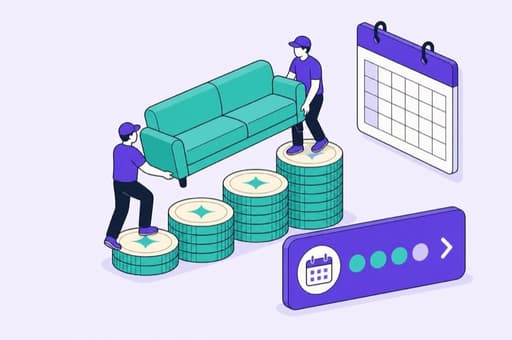
Interest-bearing monthly installments
The core product: a three- to forty-eight-month loan the shopper pays interest on, up to 36% a year. It carried 70% of the $50.2B people spent through Affirm and brought in 48.0% of revenue. Watch the mix — the fee-free plans are growing faster.
Competes with Longer-term financing (Klarna) · Personal and checkout loans (Upstart) · Store-branded revolving cards (Synchrony)
In plain English
Think of the checkout page where a big-ticket sofa suddenly shows a monthly price instead of one scary number. Pick it, answer a few questions, and Affirm decides in seconds whether to lend you the money; a partner bank writes the loan and Affirm buys it straight off them.
From then on you pay Affirm back in fixed monthly amounts with interest on top, and the plan simply ends when the last payment lands. Those interest payments are the single biggest pile of money the company collects, and the bigger the purchase, the taller the pile.
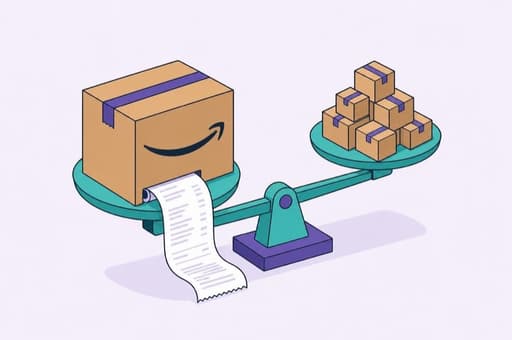
Amazon program
Affirm's monthly-payment option sits on Amazon's checkout and inside the Amazon Pay button. Amazon alone is 22% of everything shoppers buy through Affirm; the top five partners are 44%. The current deal was renewed for five years, running to January 2031.
Competes with Pay-later at Amazon checkout (Klarna) · Afterpay at Amazon checkout (Block) · Amazon Store Card (Chase)
In plain English
One retailer, a fifth of the business. Affirm's pay-over-time choice appears at Amazon's checkout and inside the Amazon Pay button that other shops put on their own sites, which funnels a huge share of volume through a single relationship.
Amazon's big baskets pay Affirm less per dollar than the average shop does, so Amazon is 22% of what shoppers spend but under a tenth of revenue. The two signed again in late 2025 — five years from February 2026, with share warrants attached — which buys time rather than certainty. Walmart swapped Affirm for a rival in 2025, and that is how fast one of these can move.
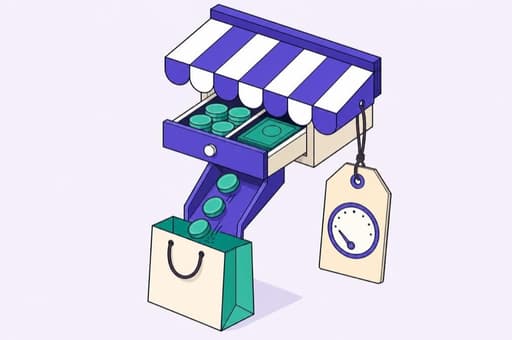
0% APR monthly installments
Longer plans where the shop — often the brand that made the product — pays Affirm so the shopper owes no interest at all. Only 14% of what people spend, but a much fatter fee per dollar. Watch it when promotional budgets tighten.
Competes with Merchant-subsidised financing (Klarna) · Afterpay longer-term plans (Block) · Citi Flex Pay (Citi)
In plain English
Somebody has to pay for "interest-free", and here it is the seller — increasingly the manufacturer behind the product — handing Affirm a cut of the sale price so the shopper's plan costs nothing extra.
For the shop that is a marketing expense, much like a coupon: it turns browsers into buyers. For Affirm the cut is several times what it charges on an ordinary interest-bearing plan, which is why these loans punch well above their share of spending. The catch is whose money it is. When stores pull back on promotions, this is the line that feels it first.
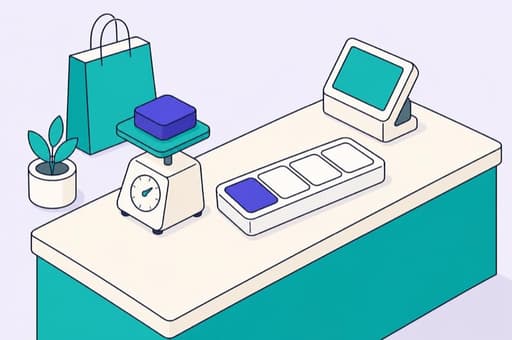
Pay-in-X
Small baskets split into as many as four interest-free payments, with the shop covering the fee. It was 16% of spending and grew 41% in the June quarter, the fastest of any product — on the thinnest fee and the most copied idea.
Competes with Pay in 4 (Klarna) · Pay in 4 (PayPal) · Pay in 4 (Sezzle)
In plain English
Split the bill a few ways. Nobody wants a two-year loan for a small order, so Affirm breaks it into up to four interest-free pieces collected over a few weeks, and the shopper pays nothing extra.
The shop pays a fee, but a slim one, because every rival offers the identical thing and the buttons all look alike. Affirm's version mostly travels inside other companies' checkouts — Shopify's Shop Pay Installments, and payment processors such as Stripe and Adyen — so it grows by being in more places rather than by charging more. Busiest corner of the business, cheapest per dollar.
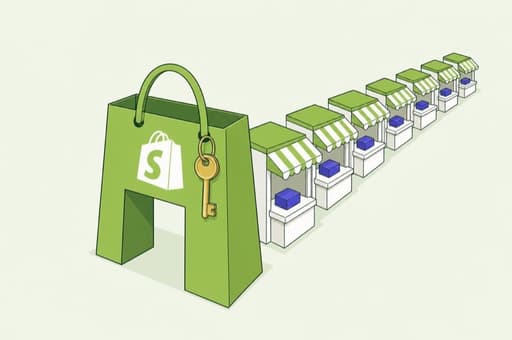
Shopify / Shop Pay Installments
Affirm is the sole engine behind Shop Pay Installments, so any Shopify shop can switch pay-over-time on without building anything. Canada opened in 2025, Australia this August. Everything outside the US is still 3.5% of revenue.
Competes with Klarna on Shopify (Klarna) · Afterpay on Shopify (Block) · Built-in pay-later routing (Stripe)
In plain English
Shopify runs the online storefronts for an enormous tail of small merchants, and its built-in checkout carries a pay-over-time choice. That choice is Affirm, exclusively — so Affirm reaches a long tail of shops it never had to sign one at a time.
Shopify owns the customer; Affirm supplies the credit decision and the cash. The same plumbing is being copied into new countries, Canada first and Australia this August, and larger names have arrived with it — Etsy, Royal Caribbean, Crate and Barrel. The whole non-US side is still a small fraction of revenue, and management says this year's plan does not lean on it.
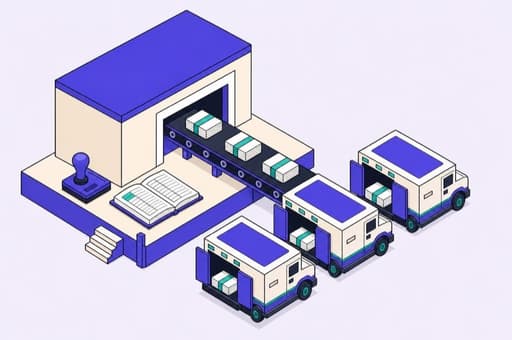
Capital markets and funding platform
Affirm sells much of what it lends to banks, pension funds and private credit firms, books a profit on the sale, and keeps collecting the payments for a fee. Committed funding reached $30.0B — enough, management says, for more than $70B of purchases a year.
Competes with Loan-funding program (Klarna) · Deposit-funded lending (SoFi) · Deposit-funded store cards (Synchrony)
In plain English
The unglamorous machine underneath everything else. Affirm is not a bank and holds no deposits, so every loan it writes has to be paid for with borrowed or investor money: credit lines from banks, bonds backed by bundles of loans, and standing agreements where a fund buys whatever Affirm originates.
Selling a loan for more than it cost books a profit that day, and Affirm keeps collecting the monthly payments afterwards for a fee — so it earns twice on paper it no longer owns. The profits arrive in lumps, whenever a deal prices, and all of it costs more than the deposits its bank-owned rivals lend from.
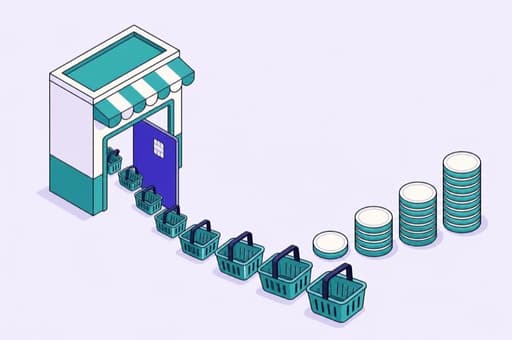
Affirm Card
A Visa card that pays straight from your bank account, or turns a purchase into a monthly plan afterwards in the app. In the June quarter cardholders doubled to 5.2M and card spending grew 124%. Its own swipe fee is thin; the volume it feeds the loan lines is not.
Competes with Klarna Card (Klarna) · Afterpay Card (Block) · OnePay card (OnePay)
In plain English
Affirm in a wallet rather than on a checkout page. The card works wherever Visa does: tap it and the charge comes from your linked bank account, or open the app afterwards and turn that coffee-table purchase into monthly payments.
That changes what Affirm is to you — from a button you meet once a year buying a mattress into something used most weeks, including inside physical shops, where roughly a third of card taps happen. Cardholders spend about twice what an ordinary Affirm user does. Affirm's own slice of the swipe fee is slim; the point is the everyday habit it pushes into the lending lines.
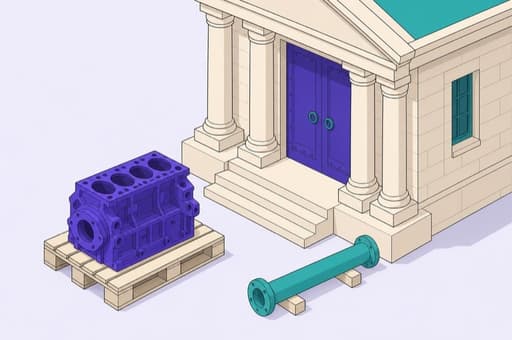
Affirm Edge
A way for banks and credit unions to offer Affirm-built payment plans inside their own apps, under their own name. Unveiled in May 2026 with pilots expected later; nothing earned from it so far.
Competes with White-label checkout financing (ChargeAfter) · White-label lending platform (Amount) · Installment-lending modules (Fiserv)
In plain English
Renting out the engine. Instead of asking a shopper to choose Affirm at the till, Affirm would sit out of sight behind a bank's own app, letting the bank offer its customers a plan to pay something off over months, with Affirm's credit scoring and collections doing the work underneath.
The appeal is reach at almost no cost: no advertising, no shops to sign up, just somebody else's customers. The obstacles are the obvious ones — banks buy slowly, their regulators have to be comfortable, and nothing has been sold yet. Affirm puts the debit-card spending it could address at $140B a year, which is a size of prize, not a forecast.


 Interest-bearing monthly installmentsThe core product: a three- to forty-eight-month loan the shopper pays interest on, up to 36% a year. It carried 70% of the $50.2B people spent through Affirm and brought in 48.0% of revenue. Watch the mix — the fee-free plans are growing faster.
The core product: a three- to forty-eight-month loan the shopper pays interest on, up to 36% a year. It carried 70% of the $50.2B people spent through Affirm and brought in 48.0% of revenue. Watch the mix — the fee-free plans are growing faster.
In plain English
Think of the checkout page where a big-ticket sofa suddenly shows a monthly price instead of one scary number. Pick it, answer a few questions, and Affirm decides in seconds whether to lend you the money; a partner bank writes the loan and Affirm buys it straight off them.
From then on you pay Affirm back in fixed monthly amounts with interest on top, and the plan simply ends when the last payment lands. Those interest payments are the single biggest pile of money the company collects, and the bigger the purchase, the taller the pile.
Competes with Longer-term financing (Klarna) · Personal and checkout loans (Upstart) · Store-branded revolving cards (Synchrony)
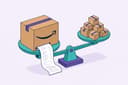 Amazon programAffirm's monthly-payment option sits on Amazon's checkout and inside the Amazon Pay button. Amazon alone is 22% of everything shoppers buy through Affirm; the top five partners are 44%. The current deal was renewed for five years, running to January 2031.
Affirm's monthly-payment option sits on Amazon's checkout and inside the Amazon Pay button. Amazon alone is 22% of everything shoppers buy through Affirm; the top five partners are 44%. The current deal was renewed for five years, running to January 2031.
In plain English
One retailer, a fifth of the business. Affirm's pay-over-time choice appears at Amazon's checkout and inside the Amazon Pay button that other shops put on their own sites, which funnels a huge share of volume through a single relationship.
Amazon's big baskets pay Affirm less per dollar than the average shop does, so Amazon is 22% of what shoppers spend but under a tenth of revenue. The two signed again in late 2025 — five years from February 2026, with share warrants attached — which buys time rather than certainty. Walmart swapped Affirm for a rival in 2025, and that is how fast one of these can move.
Competes with Pay-later at Amazon checkout (Klarna) · Afterpay at Amazon checkout (Block) · Amazon Store Card (Chase)
 0% APR monthly installmentsLonger plans where the shop — often the brand that made the product — pays Affirm so the shopper owes no interest at all. Only 14% of what people spend, but a much fatter fee per dollar. Watch it when promotional budgets tighten.
Longer plans where the shop — often the brand that made the product — pays Affirm so the shopper owes no interest at all. Only 14% of what people spend, but a much fatter fee per dollar. Watch it when promotional budgets tighten.
In plain English
Somebody has to pay for "interest-free", and here it is the seller — increasingly the manufacturer behind the product — handing Affirm a cut of the sale price so the shopper's plan costs nothing extra.
For the shop that is a marketing expense, much like a coupon: it turns browsers into buyers. For Affirm the cut is several times what it charges on an ordinary interest-bearing plan, which is why these loans punch well above their share of spending. The catch is whose money it is. When stores pull back on promotions, this is the line that feels it first.
Competes with Merchant-subsidised financing (Klarna) · Afterpay longer-term plans (Block) · Citi Flex Pay (Citi)
 Pay-in-XSmall baskets split into as many as four interest-free payments, with the shop covering the fee. It was 16% of spending and grew 41% in the June quarter, the fastest of any product — on the thinnest fee and the most copied idea.
Small baskets split into as many as four interest-free payments, with the shop covering the fee. It was 16% of spending and grew 41% in the June quarter, the fastest of any product — on the thinnest fee and the most copied idea.
In plain English
Split the bill a few ways. Nobody wants a two-year loan for a small order, so Affirm breaks it into up to four interest-free pieces collected over a few weeks, and the shopper pays nothing extra.
The shop pays a fee, but a slim one, because every rival offers the identical thing and the buttons all look alike. Affirm's version mostly travels inside other companies' checkouts — Shopify's Shop Pay Installments, and payment processors such as Stripe and Adyen — so it grows by being in more places rather than by charging more. Busiest corner of the business, cheapest per dollar.
Competes with Pay in 4 (Klarna) · Pay in 4 (PayPal) · Pay in 4 (Sezzle)
 Shopify / Shop Pay InstallmentsAffirm is the sole engine behind Shop Pay Installments, so any Shopify shop can switch pay-over-time on without building anything. Canada opened in 2025, Australia this August. Everything outside the US is still 3.5% of revenue.
Affirm is the sole engine behind Shop Pay Installments, so any Shopify shop can switch pay-over-time on without building anything. Canada opened in 2025, Australia this August. Everything outside the US is still 3.5% of revenue.
In plain English
Shopify runs the online storefronts for an enormous tail of small merchants, and its built-in checkout carries a pay-over-time choice. That choice is Affirm, exclusively — so Affirm reaches a long tail of shops it never had to sign one at a time.
Shopify owns the customer; Affirm supplies the credit decision and the cash. The same plumbing is being copied into new countries, Canada first and Australia this August, and larger names have arrived with it — Etsy, Royal Caribbean, Crate and Barrel. The whole non-US side is still a small fraction of revenue, and management says this year's plan does not lean on it.
Competes with Klarna on Shopify (Klarna) · Afterpay on Shopify (Block) · Built-in pay-later routing (Stripe)
 Capital markets and funding platformAffirm sells much of what it lends to banks, pension funds and private credit firms, books a profit on the sale, and keeps collecting the payments for a fee. Committed funding reached $30.0B — enough, management says, for more than $70B of purchases a year.
Affirm sells much of what it lends to banks, pension funds and private credit firms, books a profit on the sale, and keeps collecting the payments for a fee. Committed funding reached $30.0B — enough, management says, for more than $70B of purchases a year.
In plain English
The unglamorous machine underneath everything else. Affirm is not a bank and holds no deposits, so every loan it writes has to be paid for with borrowed or investor money: credit lines from banks, bonds backed by bundles of loans, and standing agreements where a fund buys whatever Affirm originates.
Selling a loan for more than it cost books a profit that day, and Affirm keeps collecting the monthly payments afterwards for a fee — so it earns twice on paper it no longer owns. The profits arrive in lumps, whenever a deal prices, and all of it costs more than the deposits its bank-owned rivals lend from.
Competes with Loan-funding program (Klarna) · Deposit-funded lending (SoFi) · Deposit-funded store cards (Synchrony)
 Affirm CardA Visa card that pays straight from your bank account, or turns a purchase into a monthly plan afterwards in the app. In the June quarter cardholders doubled to 5.2M and card spending grew 124%. Its own swipe fee is thin; the volume it feeds the loan lines is not.
A Visa card that pays straight from your bank account, or turns a purchase into a monthly plan afterwards in the app. In the June quarter cardholders doubled to 5.2M and card spending grew 124%. Its own swipe fee is thin; the volume it feeds the loan lines is not.
In plain English
Affirm in a wallet rather than on a checkout page. The card works wherever Visa does: tap it and the charge comes from your linked bank account, or open the app afterwards and turn that coffee-table purchase into monthly payments.
That changes what Affirm is to you — from a button you meet once a year buying a mattress into something used most weeks, including inside physical shops, where roughly a third of card taps happen. Cardholders spend about twice what an ordinary Affirm user does. Affirm's own slice of the swipe fee is slim; the point is the everyday habit it pushes into the lending lines.
Competes with Klarna Card (Klarna) · Afterpay Card (Block) · OnePay card (OnePay)
 Affirm EdgeA way for banks and credit unions to offer Affirm-built payment plans inside their own apps, under their own name. Unveiled in May 2026 with pilots expected later; nothing earned from it so far.
A way for banks and credit unions to offer Affirm-built payment plans inside their own apps, under their own name. Unveiled in May 2026 with pilots expected later; nothing earned from it so far.
In plain English
Renting out the engine. Instead of asking a shopper to choose Affirm at the till, Affirm would sit out of sight behind a bank's own app, letting the bank offer its customers a plan to pay something off over months, with Affirm's credit scoring and collections doing the work underneath.
The appeal is reach at almost no cost: no advertising, no shops to sign up, just somebody else's customers. The obstacles are the obvious ones — banks buy slowly, their regulators have to be comfortable, and nothing has been sold yet. Affirm puts the debit-card spending it could address at $140B a year, which is a size of prize, not a forecast.
Competes with White-label checkout financing (ChargeAfter) · White-label lending platform (Amount) · Installment-lending modules (Fiserv)
Named in filings, launches and programs
- Affirm Bank (Nevada ILC)Brand · AnnouncedApplications went to Nevada regulators and the FDIC in January 2026 to run its own bank; banking-industry and community groups filed objections.
- Affirm Money AccountProductAn insured savings account held at partner Cross River Bank, offered alongside the card.
- Adaptive CheckoutPlatformThe screen that picks which mix of short and monthly plans to show a particular shopper at checkout.
- One-time-use virtual cardProductA single-use card number issued by Celtic Bank, letting shoppers use Affirm at shops that never installed it.
- Servicing platformServiceCollects the monthly payments on loans other investors now own, for a steady fee — the quiet half of the loan-selling line.
- Affirm UKSegment · RampingThe furthest along of the overseas markets, with Costco signed and Stripe and Wayfair live there.
- Affirm CanadaSegmentThe largest market outside the US: $142.8M of FY2026 revenue, about 3.4% of the total.
- Affirm AustraliaSegment · RampingRelaunched in August 2026 through Shopify's Shop Pay Installments; too new to show up in the numbers.
- Brand Sponsored PromotionsProduct · RampingManufacturers, not just shops, paying to zero out the shopper's interest — around 15% of the longer interest-free loans.
- Agentic commerce integrationsProduct · AnnouncedPay-over-time hooked into Google's search and Gemini assistant, plus Priceline, Nectar and Newegg; shown at the May 2026 investor forum.
- Transformer-based underwriting modelProduct · AnnouncedA new way of deciding who gets lent to, announced in September 2026; how it works has not been detailed.
- Sixth Street AssetCoBrandA venture with investment firm Sixth Street committing up to $4B — Affirm's largest standing buyer of its loans.
- "0 to 1" product teamProductLevchin's small incubation group, named in August 2026 as owning whatever gets built next around the card.
Affirm Bank (Nevada ILC)Brand · Announced
Applications went to Nevada regulators and the FDIC in January 2026 to run its own bank; banking-industry and community groups filed objections.
Affirm Money AccountProduct
An insured savings account held at partner Cross River Bank, offered alongside the card.
Adaptive CheckoutPlatform
The screen that picks which mix of short and monthly plans to show a particular shopper at checkout.
One-time-use virtual cardProduct
A single-use card number issued by Celtic Bank, letting shoppers use Affirm at shops that never installed it.
Servicing platformService
Collects the monthly payments on loans other investors now own, for a steady fee — the quiet half of the loan-selling line.
Affirm UKSegment · Ramping
The furthest along of the overseas markets, with Costco signed and Stripe and Wayfair live there.
Affirm CanadaSegment
The largest market outside the US: $142.8M of FY2026 revenue, about 3.4% of the total.
Affirm AustraliaSegment · Ramping
Relaunched in August 2026 through Shopify's Shop Pay Installments; too new to show up in the numbers.
Brand Sponsored PromotionsProduct · Ramping
Manufacturers, not just shops, paying to zero out the shopper's interest — around 15% of the longer interest-free loans.
Agentic commerce integrationsProduct · Announced
Pay-over-time hooked into Google's search and Gemini assistant, plus Priceline, Nectar and Newegg; shown at the May 2026 investor forum.
Transformer-based underwriting modelProduct · Announced
A new way of deciding who gets lent to, announced in September 2026; how it works has not been detailed.
Sixth Street AssetCoBrand
A venture with investment firm Sixth Street committing up to $4B — Affirm's largest standing buyer of its loans.
"0 to 1" product teamProduct
Levchin's small incubation group, named in August 2026 as owning whatever gets built next around the card.