
Constellation Energy (CEG)
Generates and sells nuclear, natural gas, geothermal and renewable power across competitive U.S. markets.
Something off on this page? Send us feedback.
Constellation is an electricity seller built around a large nuclear fleet. Buying Calpine added gas, geothermal and more retail power, while long contracts with big corporate users are turning plant output into steadier customer-backed business. Electricity still overwhelmingly pays the bills; the newer deals mostly shape what comes next.
Item facts: FY2025 · year ended Dec 31, 2025, from filings, earnings calls and company pages.
Judgment weights, not filed revenue
The band summarizes business focus and direction. ~ marks estimates.
8 in detail · 15 more below
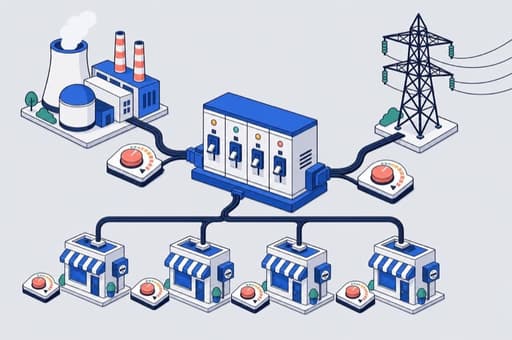
Electric Power Supply
Electricity sold to homes, businesses and other power sellers is the main business. Its $1.047 billion order book leaves out agreements whose price or amount can change, so renewals and supply costs matter more than that headline alone.
Competes with Reliant and Direct Energy retail power (NRG Energy) · Retail electricity business (Vistra)
In plain English
Constellation is both a power maker and a power shop. It uses electricity from its own plants, buys more from other producers when needed, and promises homes, businesses, and other sellers a fixed price, a market-linked price, or help managing both.
Think of a grocer that owns many farms but still buys produce elsewhere to keep every shelf stocked. Customers pay for the electricity they use. Constellation keeps what remains after plant costs, outside purchases, protection against price swings, transmission, and service expenses. The business works best when its plants and customer promises stay well matched.
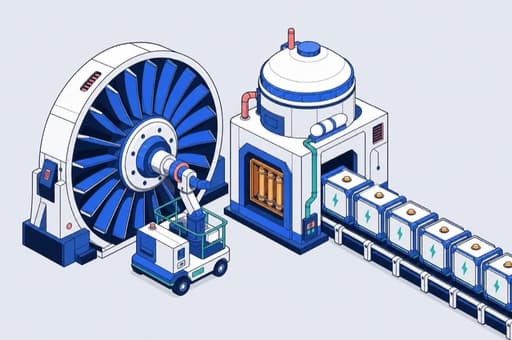
Nuclear Fleet
Nuclear plants made nearly nine-tenths of Constellation's own electricity and delivered 94.7% of their theoretical full-year output. Because most costs continue during an outage, keeping the reactors running is the central operating test.
Competes with Susquehanna–Amazon power agreement (Talen Energy) · Nuclear fleet–Meta power agreements (Vistra)
In plain English
The unglamorous advantage is staying switched on. Nuclear reactors create heat, that heat makes steam, and the steam turns generators. Constellation's reactors produce most of the electricity made by its own plants, so a short outage removes a lot of saleable power at once.
Buyers pay through power markets and long contracts for the electricity, reliable availability, and proof that it was made without carbon emissions. Many costs continue whether a reactor runs or not, while federal support softens low-price periods. That makes careful refueling and maintenance—and regulatory permission to keep operating—the heart of the economics.
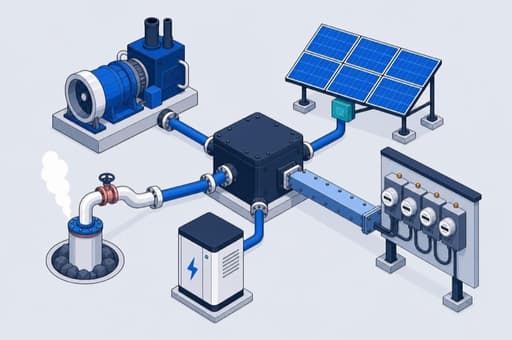
Calpine
The acquisition adds flexible generation and another customer book. In H1 FY2026, Calpine supplied $4.541 billion, or 24.4%, of company revenue; integration and required plant sales are the immediate checkpoints.
Competes with Gas-generation and retail platform (Vistra) · Generation plus Direct Energy and Reliant (NRG Energy)
In plain English
Calpine is the big second engine Constellation bought in early 2026. Its mix includes plants that burn natural gas, wells that use underground heat, batteries, solar sites, and a business selling power directly to customers. That makes the combined company less purely nuclear.
Gas plants earn money when the selling price of electricity clears the cost of fuel and running the machine; geothermal and other assets add different sources of output. Calpine's customer contracts give that output somewhere to go. The immediate job is integrating the platform while completing required plant sales and keeping fuel, pipelines, and connections available.
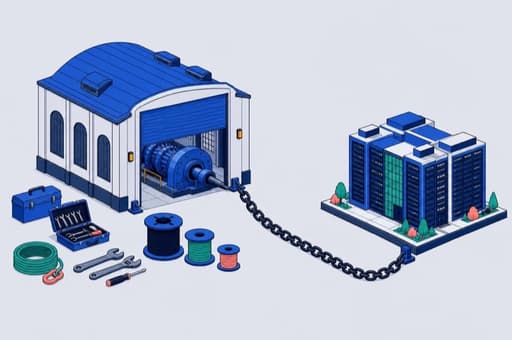
Crane Clean Energy Center — Microsoft agreement
A retired reactor is being rebuilt around a twenty-year Microsoft purchase commitment, with reopening targeted for the second half of 2027. Approvals, construction and financing must all land before the plant earns money.
Competes with Duane Arnold–Google reactor restart (NextEra Energy) · Susquehanna–Amazon power agreement (Talen Energy)
In plain English
A retired reactor is being prepared for a second life. Constellation plans to restart the 835-megawatt Crane plant—megawatts measure how much power it can deliver at once—and Microsoft has agreed to buy its clean electricity for twenty years.
That long promise gives the rebuild a customer before the plant reopens, much like reserving a factory's future output before paying to refit it. Constellation earns only after power starts flowing, targeted for the second half of 2027. Regulatory approval, construction, financing conditions, and transmission all have to line up first; a one-billion-dollar U.S. Energy Department guarantee helps fund the work.
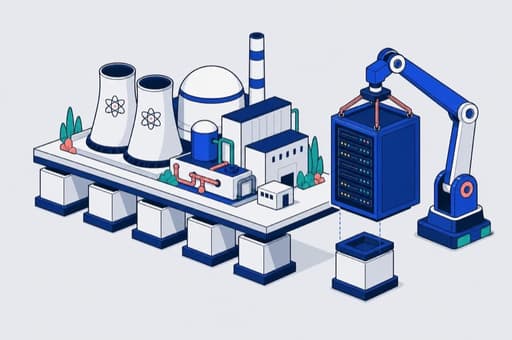
Clinton Clean Energy Center — Meta agreement
A twenty-year Meta agreement begins in June 2027 as Illinois support expires. It covers the 1,121-megawatt station plus a 30-megawatt increase; starting delivery and completing that increase are the checkpoints.
Competes with Nuclear–Meta power agreements (Vistra) · Susquehanna–Amazon power agreement (Talen Energy)
In plain English
Clinton already runs; the change is who supports its economics. When Illinois clean-energy payments expire, Meta's twenty-year agreement takes over in June 2027. The plant keeps sending electricity into the regional network, while Meta pays for the power and the clean-energy proof attached to it.
It resembles a tenant signing a long lease before an old subsidy ends: the building stays where it is, but the person paying for it changes. Meta takes the station's full output and also supports a small increase in maximum output. Delivery timing and completion of that increase are the practical tests.
Dresden Clean Energy Center — Walmart agreement
Walmart has reserved existing and added nuclear output through two fifteen-year purchases beginning in 2029 and 2030. The late starts leave plant upgrades, licensing and schedule discipline to determine when money arrives.
Competes with Nuclear–Meta power agreements (Vistra) · Duane Arnold–Google power agreement (NextEra Energy)
In plain English
Walmart is reserving part of Dresden's nuclear output, including extra power Constellation plans to unlock from the existing plant. The arrangement covers electricity, dependable availability, and proof that the energy was made without carbon emissions.
Rather than one start date, two fifteen-year purchase periods begin in 2029 and 2030. Picture two loading docks booked years before the trucks arrive: the demand is spoken for, but the cash is still distant. Constellation must complete the output increase, preserve its licenses, and reach those dates without delays changing the economics.
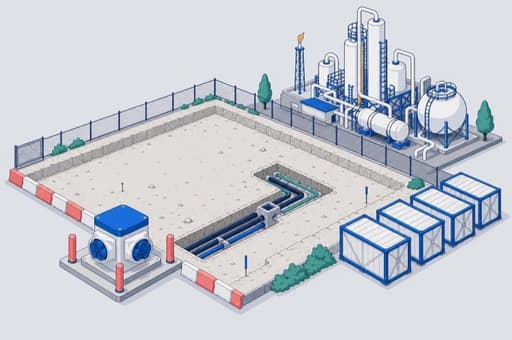
Powered Land Capabilities — CyrusOne
Calpine is pairing plant access with buildable sites for CyrusOne, a data-center operator. Named stages could exceed 1,100 megawatts of demand, but construction, permits and network connections decide how much becomes recurring load.
Competes with Powering Data and Cumulus campus (Talen Energy) · Generation-linked data-center sites (AES)
In plain English
Powered land is a prepared site where a huge electricity user can build close to available generation and network connections. Calpine agreed to support CyrusOne, a data-center operator, at Freestone and Thad Hill; the named stages together could exceed 1,100 megawatts of demand, a measure of maximum draw.
It is closer to selling a ready industrial plot with a power hookup than simply selling monthly electricity. Revenue grows only as buildings are permitted, constructed, connected, and filled with computing equipment. Gas supply, transmission, and connection approvals must arrive alongside the customer's construction.
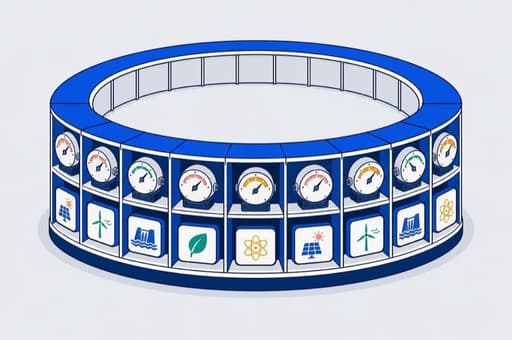
Hourly Carbon-Free Energy Matching
This service pairs each hour of customer use with nuclear or renewable power, not just the yearly total. W. L. Gore's agreement covers 110,000 megawatt-hours annually; local clean supply limits wider scale.
Competes with Around-the-clock carbon-free energy (AES) · Around-the-clock carbon-free energy (ENGIE)
In plain English
Most clean-power promises add up a customer's yearly electricity use and match that total with clean generation. This service checks every hour instead. Constellation combines electricity from nuclear and renewable plants with meter records showing that clean supply was available when the customer was using power.
It works like matching every purchase receipt rather than comparing only the monthly total. Companies with strict clean-energy goals pay for the electricity and the detailed proof. The offer is still small; growth depends on finding enough local clean supply and trustworthy meter records for each hour.


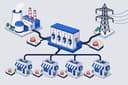 Electric Power SupplyElectricity sold to homes, businesses and other power sellers is the main business. Its $1.047 billion order book leaves out agreements whose price or amount can change, so renewals and supply costs matter more than that headline alone.
Electricity sold to homes, businesses and other power sellers is the main business. Its $1.047 billion order book leaves out agreements whose price or amount can change, so renewals and supply costs matter more than that headline alone.
In plain English
Constellation is both a power maker and a power shop. It uses electricity from its own plants, buys more from other producers when needed, and promises homes, businesses, and other sellers a fixed price, a market-linked price, or help managing both.
Think of a grocer that owns many farms but still buys produce elsewhere to keep every shelf stocked. Customers pay for the electricity they use. Constellation keeps what remains after plant costs, outside purchases, protection against price swings, transmission, and service expenses. The business works best when its plants and customer promises stay well matched.
Competes with Reliant and Direct Energy retail power (NRG Energy) · Retail electricity business (Vistra)
 Nuclear FleetNuclear plants made nearly nine-tenths of Constellation's own electricity and delivered 94.7% of their theoretical full-year output. Because most costs continue during an outage, keeping the reactors running is the central operating test.
Nuclear plants made nearly nine-tenths of Constellation's own electricity and delivered 94.7% of their theoretical full-year output. Because most costs continue during an outage, keeping the reactors running is the central operating test.
In plain English
The unglamorous advantage is staying switched on. Nuclear reactors create heat, that heat makes steam, and the steam turns generators. Constellation's reactors produce most of the electricity made by its own plants, so a short outage removes a lot of saleable power at once.
Buyers pay through power markets and long contracts for the electricity, reliable availability, and proof that it was made without carbon emissions. Many costs continue whether a reactor runs or not, while federal support softens low-price periods. That makes careful refueling and maintenance—and regulatory permission to keep operating—the heart of the economics.
Competes with Susquehanna–Amazon power agreement (Talen Energy) · Nuclear fleet–Meta power agreements (Vistra)
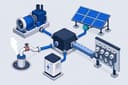 CalpineThe acquisition adds flexible generation and another customer book. In H1 FY2026, Calpine supplied $4.541 billion, or 24.4%, of company revenue; integration and required plant sales are the immediate checkpoints.
The acquisition adds flexible generation and another customer book. In H1 FY2026, Calpine supplied $4.541 billion, or 24.4%, of company revenue; integration and required plant sales are the immediate checkpoints.
In plain English
Calpine is the big second engine Constellation bought in early 2026. Its mix includes plants that burn natural gas, wells that use underground heat, batteries, solar sites, and a business selling power directly to customers. That makes the combined company less purely nuclear.
Gas plants earn money when the selling price of electricity clears the cost of fuel and running the machine; geothermal and other assets add different sources of output. Calpine's customer contracts give that output somewhere to go. The immediate job is integrating the platform while completing required plant sales and keeping fuel, pipelines, and connections available.
Competes with Gas-generation and retail platform (Vistra) · Generation plus Direct Energy and Reliant (NRG Energy)
 Crane Clean Energy Center — Microsoft agreementA retired reactor is being rebuilt around a twenty-year Microsoft purchase commitment, with reopening targeted for the second half of 2027. Approvals, construction and financing must all land before the plant earns money.
A retired reactor is being rebuilt around a twenty-year Microsoft purchase commitment, with reopening targeted for the second half of 2027. Approvals, construction and financing must all land before the plant earns money.
In plain English
A retired reactor is being prepared for a second life. Constellation plans to restart the 835-megawatt Crane plant—megawatts measure how much power it can deliver at once—and Microsoft has agreed to buy its clean electricity for twenty years.
That long promise gives the rebuild a customer before the plant reopens, much like reserving a factory's future output before paying to refit it. Constellation earns only after power starts flowing, targeted for the second half of 2027. Regulatory approval, construction, financing conditions, and transmission all have to line up first; a one-billion-dollar U.S. Energy Department guarantee helps fund the work.
Competes with Duane Arnold–Google reactor restart (NextEra Energy) · Susquehanna–Amazon power agreement (Talen Energy)
 Clinton Clean Energy Center — Meta agreementA twenty-year Meta agreement begins in June 2027 as Illinois support expires. It covers the 1,121-megawatt station plus a 30-megawatt increase; starting delivery and completing that increase are the checkpoints.
A twenty-year Meta agreement begins in June 2027 as Illinois support expires. It covers the 1,121-megawatt station plus a 30-megawatt increase; starting delivery and completing that increase are the checkpoints.
In plain English
Clinton already runs; the change is who supports its economics. When Illinois clean-energy payments expire, Meta's twenty-year agreement takes over in June 2027. The plant keeps sending electricity into the regional network, while Meta pays for the power and the clean-energy proof attached to it.
It resembles a tenant signing a long lease before an old subsidy ends: the building stays where it is, but the person paying for it changes. Meta takes the station's full output and also supports a small increase in maximum output. Delivery timing and completion of that increase are the practical tests.
Competes with Nuclear–Meta power agreements (Vistra) · Susquehanna–Amazon power agreement (Talen Energy)
 Dresden Clean Energy Center — Walmart agreementWalmart has reserved existing and added nuclear output through two fifteen-year purchases beginning in 2029 and 2030. The late starts leave plant upgrades, licensing and schedule discipline to determine when money arrives.
Walmart has reserved existing and added nuclear output through two fifteen-year purchases beginning in 2029 and 2030. The late starts leave plant upgrades, licensing and schedule discipline to determine when money arrives.
In plain English
Walmart is reserving part of Dresden's nuclear output, including extra power Constellation plans to unlock from the existing plant. The arrangement covers electricity, dependable availability, and proof that the energy was made without carbon emissions.
Rather than one start date, two fifteen-year purchase periods begin in 2029 and 2030. Picture two loading docks booked years before the trucks arrive: the demand is spoken for, but the cash is still distant. Constellation must complete the output increase, preserve its licenses, and reach those dates without delays changing the economics.
Competes with Nuclear–Meta power agreements (Vistra) · Duane Arnold–Google power agreement (NextEra Energy)
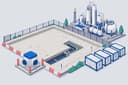 Powered Land Capabilities — CyrusOneCalpine is pairing plant access with buildable sites for CyrusOne, a data-center operator. Named stages could exceed 1,100 megawatts of demand, but construction, permits and network connections decide how much becomes recurring load.
Calpine is pairing plant access with buildable sites for CyrusOne, a data-center operator. Named stages could exceed 1,100 megawatts of demand, but construction, permits and network connections decide how much becomes recurring load.
In plain English
Powered land is a prepared site where a huge electricity user can build close to available generation and network connections. Calpine agreed to support CyrusOne, a data-center operator, at Freestone and Thad Hill; the named stages together could exceed 1,100 megawatts of demand, a measure of maximum draw.
It is closer to selling a ready industrial plot with a power hookup than simply selling monthly electricity. Revenue grows only as buildings are permitted, constructed, connected, and filled with computing equipment. Gas supply, transmission, and connection approvals must arrive alongside the customer's construction.
Competes with Powering Data and Cumulus campus (Talen Energy) · Generation-linked data-center sites (AES)
 Hourly Carbon-Free Energy MatchingThis service pairs each hour of customer use with nuclear or renewable power, not just the yearly total. W. L. Gore's agreement covers 110,000 megawatt-hours annually; local clean supply limits wider scale.
This service pairs each hour of customer use with nuclear or renewable power, not just the yearly total. W. L. Gore's agreement covers 110,000 megawatt-hours annually; local clean supply limits wider scale.
In plain English
Most clean-power promises add up a customer's yearly electricity use and match that total with clean generation. This service checks every hour instead. Constellation combines electricity from nuclear and renewable plants with meter records showing that clean supply was available when the customer was using power.
It works like matching every purchase receipt rather than comparing only the monthly total. Companies with strict clean-energy goals pay for the electricity and the detailed proof. The offer is still small; growth depends on finding enough local clean supply and trustworthy meter records for each hour.
Competes with Around-the-clock carbon-free energy (AES) · Around-the-clock carbon-free energy (ENGIE)
Named in filings, launches and programs
- Natural Gas SupplyProduct lineRetail and wholesale gas contracts supplied $1.758 billion, or 6.9% of FY2025 revenue.
- CORe+ProductPairs physical power supply with offsite renewable energy and certificates for commercial customers.
- Constellation NavigatorPlatformCustomer analytics and energy-management tools offered through the commercial sales channel.
- Arise EnergyPlatformAutomates energy purchasing for commercial customers.
- GSA Energy Savings Performance ContractCustomer programA $172 million efficiency project across five federal buildings in the Washington area.
- GSA Clean Energy ProcurementCustomer programA ten-year, more-than-$840 million agreement supplies over one million megawatt-hours yearly to thirteen federal agencies.
- Demand Response with GridBeyondService · RampingA computer-assisted regional program aimed for 500 megawatts under contract in 2025 and another 500 in 2026.
- Additional 744 MW Nuclear AgreementsCustomer program · AnnouncedUndisclosed buyers signed fifteen-to-twenty-year terms for delivery beginning from 2029 through 2032.
- Comcast Carbon-Free Energy AgreementCustomer program · AnnouncedA 2025 clean-power contract whose price and size were not separately disclosed.
- The GeysersEcosystemCalpine's geothermal complex completed a 25-megawatt expansion in June 2026.
- Wind, Hydro, Solar and Battery Storage FleetEcosystemAdds renewable power, clean-energy proof and flexibility alongside nuclear and gas plants.
- Home ServicesServiceEquipment protection and maintenance sold alongside residential energy accounts.
- Constellation Technology Ventures / Blue EnergyEcosystemA strategic investment in Blue Energy's factory-based approach to building nuclear plants; the amount was not disclosed.
- South Texas Project InterestEcosystemA 44% nuclear-station stake, with a pending 2% transfer to CPS Energy.
- Nuclear PTC, CMC and ZEC ProgramsEcosystemFederal and state programs support nuclear revenue when power prices are low or pay for clean-energy benefits.
Natural Gas SupplyProduct line
Retail and wholesale gas contracts supplied $1.758 billion, or 6.9% of FY2025 revenue.
CORe+Product
Pairs physical power supply with offsite renewable energy and certificates for commercial customers.
Constellation NavigatorPlatform
Customer analytics and energy-management tools offered through the commercial sales channel.
Arise EnergyPlatform
Automates energy purchasing for commercial customers.
GSA Energy Savings Performance ContractCustomer program
A $172 million efficiency project across five federal buildings in the Washington area.
GSA Clean Energy ProcurementCustomer program
A ten-year, more-than-$840 million agreement supplies over one million megawatt-hours yearly to thirteen federal agencies.
Demand Response with GridBeyondService · Ramping
A computer-assisted regional program aimed for 500 megawatts under contract in 2025 and another 500 in 2026.
Additional 744 MW Nuclear AgreementsCustomer program · Announced
Undisclosed buyers signed fifteen-to-twenty-year terms for delivery beginning from 2029 through 2032.
Comcast Carbon-Free Energy AgreementCustomer program · Announced
A 2025 clean-power contract whose price and size were not separately disclosed.
The GeysersEcosystem
Calpine's geothermal complex completed a 25-megawatt expansion in June 2026.
Wind, Hydro, Solar and Battery Storage FleetEcosystem
Adds renewable power, clean-energy proof and flexibility alongside nuclear and gas plants.
Home ServicesService
Equipment protection and maintenance sold alongside residential energy accounts.
Constellation Technology Ventures / Blue EnergyEcosystem
A strategic investment in Blue Energy's factory-based approach to building nuclear plants; the amount was not disclosed.
South Texas Project InterestEcosystem
A 44% nuclear-station stake, with a pending 2% transfer to CPS Energy.
Nuclear PTC, CMC and ZEC ProgramsEcosystem
Federal and state programs support nuclear revenue when power prices are low or pay for clean-energy benefits.