
Duke Energy (DUK)
Generates and delivers electricity while distributing natural gas across six states.
Something off on this page? Send us feedback.
Duke Energy is overwhelmingly a collection of government-regulated electric utilities, with a much smaller gas-delivery business alongside them. The Carolinas are its center of gravity. Its next chapter is a much larger construction program, increasingly shaped by power-hungry computer campuses, while regulators and financing determine how quickly that spending becomes paying infrastructure.
Item facts: FY2025 · year ended Dec 31, 2025, from filings, earnings calls and company pages.
Judgment weights, not filed revenue
The band summarizes business focus and direction. ~ marks estimates.
8 in detail · 10 more below
Duke Energy Carolinas
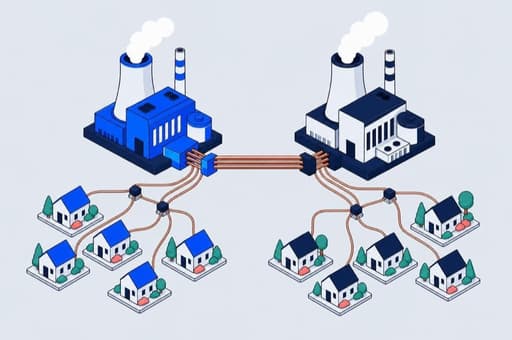
The largest territory spans parts of both Carolinas. Customers grew 1.9% in FY2025; watch whether its planned combination with Duke Energy Progress lowers costs while state regulators settle what customers pay.
Competes with Dominion Energy South Carolina electric utility (Dominion Energy) · Santee Cooper electric system (South Carolina Public Service Authority)
In plain English
Think of Duke Energy Carolinas as the local power company for nearly three million homes and businesses. It owns power plants and the wires that carry electricity, then collects monthly bills from people in its assigned territory. State regulators approve prices designed to repay reasonable costs and allow a return on useful equipment.
In January 2027 it is due to combine with Duke Energy Progress. The poles, plants and customers stay where they are, but planning and operations can be shared. The practical test is whether promised savings arrive without weakening reliability.
Duke Energy Progress
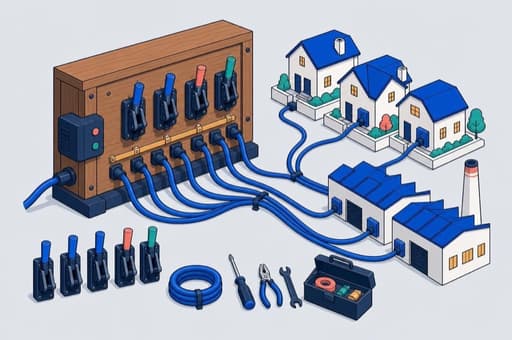
This second Carolinas territory grew electricity sales 3.4% in FY2025, faster than customer count. Its coming combination with Duke Energy Carolinas must turn shared planning into savings without letting storms or plant downtime raise costs.
Competes with Dominion Energy South Carolina electric utility (Dominion Energy) · Santee Cooper electric system (South Carolina Public Service Authority)
In plain English
Across another swath of the Carolinas, Duke Energy Progress keeps lights, factories and shops running with its own plants and power lines. People pay for the electricity they use and for having enough equipment ready when demand peaks; state regulators decide which costs may enter bills.
Sales recently rose faster than the number of customers, meaning existing users also consumed more. That makes dependable plants and storm-resistant wires especially valuable. The business is scheduled to join its larger Carolinas sibling, although its physical service area remains in place.
Duke Energy Florida
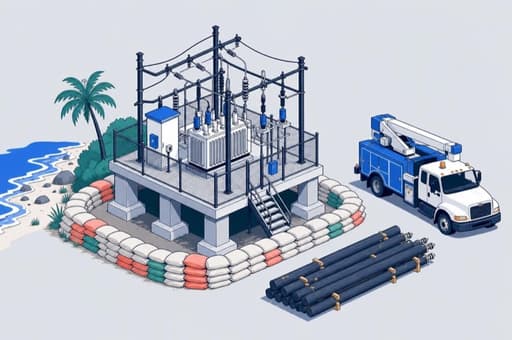
Florida's weather-sensitive power business collected $753 million to repay storm repairs in FY2025. Watch hurricane costs, fuel prices and the staged sale of part of the utility to Brookfield while Duke remains the operator.
Competes with Florida Power & Light electric utility (NextEra Energy) · Tampa Electric electric utility (Emera)
In plain English
Florida brings a different weather problem: keeping electricity flowing through heat and hurricanes. Duke Energy Florida serves about two million customers through its plants and local grid. Those customers pay approved bills for everyday power, while special bill charges can repay storm repairs over time.
Duke still runs the utility, but Brookfield, an infrastructure investor, bought a minority slice and is expected to fund more in stages. That brings Duke cash for construction without handing over control. The tradeoff is that Brookfield receives part of Florida's future economics.
Duke Energy Indiana
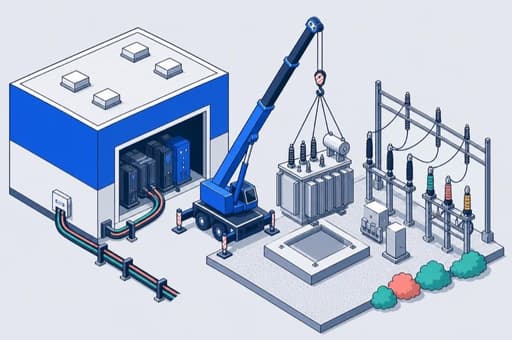
Indiana was Duke's fastest-growing electric territory by volume, with FY2025 sales up 5.5%. The next test is whether proposed computer campuses connect on schedule and justify new plants and high-voltage lines.
Competes with AES Indiana electric utility (AES Corporation) · Indiana Michigan Power electric utility (American Electric Power)
In plain English
The fastest-rising pocket is in Indiana. Duke owns the power plants and network serving roughly nine hundred thousand customers, and it gets paid through electric bills approved by the state. More electricity flowing through the same territory lifts sales; new equipment can add earnings once it is finished and allowed into customer prices.
Buildings packed with computers could create another step up in demand. Duke must first connect them and have enough generation and high-voltage lines ready, so signed interest does not become revenue overnight.
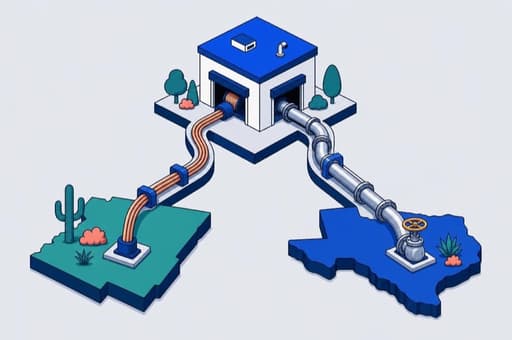
Duke Energy Ohio & Kentucky
This territory combines electricity with natural-gas delivery across two states. Gas moved through the system rose 16.3% in FY2025; watch state decisions, outside power costs and recovery from severe storms.
Competes with AEP Ohio distribution service (American Electric Power) · AES Ohio electric utility (AES Corporation) · Enbridge Gas Ohio distribution service (Enbridge)
In plain English
One regional business carries two utilities under the same roof. In Kentucky, Duke makes and delivers electricity; in Ohio, outside suppliers compete in an auction to provide the power, and Duke passes that cost through while charging to deliver it. The company also moves natural gas through local pipes in both states.
Customers pay for energy used and for keeping the networks ready. Because each state sets its own rules, earnings depend on two sets of approvals. Power-market costs and storm repairs can move bills even when the underlying delivery business changes little.
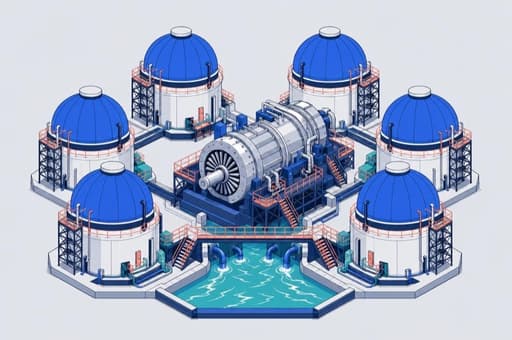
Existing Nuclear Fleet
Six nuclear sites supplied 27.5% of Duke's system electricity in FY2025. Their job is steady output; safe outages, cooling water, fuel and long operating licenses determine how dependable that output remains.
Competes with Vogtle nuclear plant (Georgia Power / Southern Company) · V.C. Summer Nuclear Station (Dominion Energy / Santee Cooper)
In plain English
Six nuclear sites do the quiet, round-the-clock work behind Duke's electric service. Heat from controlled reactions boils water, steam turns a turbine, and the turbine makes electricity. Duke does not sell that power as a separate product; it blends into the same supply delivered to utility customers.
The money therefore appears in ordinary electric bills. These plants are valuable when they run steadily for many years, while refueling stops and safety work take them offline. Keeping licenses current and equipment dependable protects a large piece of Duke's supply without requiring an entirely new plant.

Customer Protection Plus
By August 2026, large customers had signed for 7.8 gigawatts of demand, a measure of power needed at once. The promises matter only if campuses connect, use power and win the required approvals.
Competes with GS-5 Large Load Rate (Dominion Energy Virginia) · Data Center Tariff (AEP Ohio) · Large Load Contract Service (Florida Power & Light)
In plain English
Before a giant computer campus plugs in, Duke asks it to shoulder the risks it creates. The customer pays for its connection, promises to buy a minimum amount for years, supplies financial backing and owes a fee if it walks away. Duke can also reduce service when the grid is strained.
Named customers include Digital Realty and Edged, data-center operators, plus Microsoft and Compass. Their commitments help Duke plan plants and wires without leaving ordinary customers with the whole bill. Duke starts earning only as infrastructure is completed, electricity flows and state-approved charges reach bills.
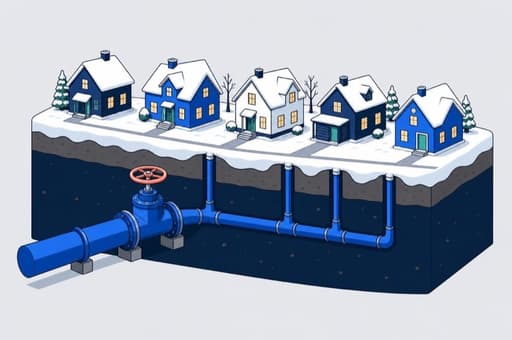
Piedmont Natural Gas
After selling Tennessee in March 2026, Piedmont still serves more than one million Carolinas customers. FY2026 revenue will be lower simply because the sold territory is gone; winter weather and pipeline room drive the remainder.
Competes with Enbridge Gas North Carolina (Enbridge) · Dominion Energy South Carolina gas utility (Dominion Energy)
In plain English
The unglamorous winter business is a web of buried pipes and meters serving homes, factories and power plants. Piedmont buys or receives natural gas from larger pipelines, moves it through neighborhood mains and charges customers for delivery. Its earnings come from the regulated network, not from betting on the gas price.
Cold weather brings more heating demand, so the business naturally swells in winter and shrinks in warmer quarters. Duke sold Piedmont's Tennessee territory in March 2026. The Carolinas network remains, but comparisons with FY2025 include customers that are no longer part of Duke.


 Duke Energy CarolinasThe largest territory spans parts of both Carolinas. Customers grew 1.9% in FY2025; watch whether its planned combination with Duke Energy Progress lowers costs while state regulators settle what customers pay.
The largest territory spans parts of both Carolinas. Customers grew 1.9% in FY2025; watch whether its planned combination with Duke Energy Progress lowers costs while state regulators settle what customers pay.
In plain English
Think of Duke Energy Carolinas as the local power company for nearly three million homes and businesses. It owns power plants and the wires that carry electricity, then collects monthly bills from people in its assigned territory. State regulators approve prices designed to repay reasonable costs and allow a return on useful equipment.
In January 2027 it is due to combine with Duke Energy Progress. The poles, plants and customers stay where they are, but planning and operations can be shared. The practical test is whether promised savings arrive without weakening reliability.
Competes with Dominion Energy South Carolina electric utility (Dominion Energy) · Santee Cooper electric system (South Carolina Public Service Authority)
 Duke Energy ProgressThis second Carolinas territory grew electricity sales 3.4% in FY2025, faster than customer count. Its coming combination with Duke Energy Carolinas must turn shared planning into savings without letting storms or plant downtime raise costs.
This second Carolinas territory grew electricity sales 3.4% in FY2025, faster than customer count. Its coming combination with Duke Energy Carolinas must turn shared planning into savings without letting storms or plant downtime raise costs.
In plain English
Across another swath of the Carolinas, Duke Energy Progress keeps lights, factories and shops running with its own plants and power lines. People pay for the electricity they use and for having enough equipment ready when demand peaks; state regulators decide which costs may enter bills.
Sales recently rose faster than the number of customers, meaning existing users also consumed more. That makes dependable plants and storm-resistant wires especially valuable. The business is scheduled to join its larger Carolinas sibling, although its physical service area remains in place.
Competes with Dominion Energy South Carolina electric utility (Dominion Energy) · Santee Cooper electric system (South Carolina Public Service Authority)
 Duke Energy FloridaFlorida's weather-sensitive power business collected $753 million to repay storm repairs in FY2025. Watch hurricane costs, fuel prices and the staged sale of part of the utility to Brookfield while Duke remains the operator.
Florida's weather-sensitive power business collected $753 million to repay storm repairs in FY2025. Watch hurricane costs, fuel prices and the staged sale of part of the utility to Brookfield while Duke remains the operator.
In plain English
Florida brings a different weather problem: keeping electricity flowing through heat and hurricanes. Duke Energy Florida serves about two million customers through its plants and local grid. Those customers pay approved bills for everyday power, while special bill charges can repay storm repairs over time.
Duke still runs the utility, but Brookfield, an infrastructure investor, bought a minority slice and is expected to fund more in stages. That brings Duke cash for construction without handing over control. The tradeoff is that Brookfield receives part of Florida's future economics.
Competes with Florida Power & Light electric utility (NextEra Energy) · Tampa Electric electric utility (Emera)
 Duke Energy IndianaIndiana was Duke's fastest-growing electric territory by volume, with FY2025 sales up 5.5%. The next test is whether proposed computer campuses connect on schedule and justify new plants and high-voltage lines.
Indiana was Duke's fastest-growing electric territory by volume, with FY2025 sales up 5.5%. The next test is whether proposed computer campuses connect on schedule and justify new plants and high-voltage lines.
In plain English
The fastest-rising pocket is in Indiana. Duke owns the power plants and network serving roughly nine hundred thousand customers, and it gets paid through electric bills approved by the state. More electricity flowing through the same territory lifts sales; new equipment can add earnings once it is finished and allowed into customer prices.
Buildings packed with computers could create another step up in demand. Duke must first connect them and have enough generation and high-voltage lines ready, so signed interest does not become revenue overnight.
Competes with AES Indiana electric utility (AES Corporation) · Indiana Michigan Power electric utility (American Electric Power)
 Duke Energy Ohio & KentuckyThis territory combines electricity with natural-gas delivery across two states. Gas moved through the system rose 16.3% in FY2025; watch state decisions, outside power costs and recovery from severe storms.
This territory combines electricity with natural-gas delivery across two states. Gas moved through the system rose 16.3% in FY2025; watch state decisions, outside power costs and recovery from severe storms.
In plain English
One regional business carries two utilities under the same roof. In Kentucky, Duke makes and delivers electricity; in Ohio, outside suppliers compete in an auction to provide the power, and Duke passes that cost through while charging to deliver it. The company also moves natural gas through local pipes in both states.
Customers pay for energy used and for keeping the networks ready. Because each state sets its own rules, earnings depend on two sets of approvals. Power-market costs and storm repairs can move bills even when the underlying delivery business changes little.
Competes with AEP Ohio distribution service (American Electric Power) · AES Ohio electric utility (AES Corporation) · Enbridge Gas Ohio distribution service (Enbridge)
 Existing Nuclear FleetSix nuclear sites supplied 27.5% of Duke's system electricity in FY2025. Their job is steady output; safe outages, cooling water, fuel and long operating licenses determine how dependable that output remains.
Six nuclear sites supplied 27.5% of Duke's system electricity in FY2025. Their job is steady output; safe outages, cooling water, fuel and long operating licenses determine how dependable that output remains.
In plain English
Six nuclear sites do the quiet, round-the-clock work behind Duke's electric service. Heat from controlled reactions boils water, steam turns a turbine, and the turbine makes electricity. Duke does not sell that power as a separate product; it blends into the same supply delivered to utility customers.
The money therefore appears in ordinary electric bills. These plants are valuable when they run steadily for many years, while refueling stops and safety work take them offline. Keeping licenses current and equipment dependable protects a large piece of Duke's supply without requiring an entirely new plant.
Competes with Vogtle nuclear plant (Georgia Power / Southern Company) · V.C. Summer Nuclear Station (Dominion Energy / Santee Cooper)
 Customer Protection PlusBy August 2026, large customers had signed for 7.8 gigawatts of demand, a measure of power needed at once. The promises matter only if campuses connect, use power and win the required approvals.
By August 2026, large customers had signed for 7.8 gigawatts of demand, a measure of power needed at once. The promises matter only if campuses connect, use power and win the required approvals.
In plain English
Before a giant computer campus plugs in, Duke asks it to shoulder the risks it creates. The customer pays for its connection, promises to buy a minimum amount for years, supplies financial backing and owes a fee if it walks away. Duke can also reduce service when the grid is strained.
Named customers include Digital Realty and Edged, data-center operators, plus Microsoft and Compass. Their commitments help Duke plan plants and wires without leaving ordinary customers with the whole bill. Duke starts earning only as infrastructure is completed, electricity flows and state-approved charges reach bills.
Competes with GS-5 Large Load Rate (Dominion Energy Virginia) · Data Center Tariff (AEP Ohio) · Large Load Contract Service (Florida Power & Light)
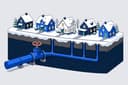 Piedmont Natural GasAfter selling Tennessee in March 2026, Piedmont still serves more than one million Carolinas customers. FY2026 revenue will be lower simply because the sold territory is gone; winter weather and pipeline room drive the remainder.
After selling Tennessee in March 2026, Piedmont still serves more than one million Carolinas customers. FY2026 revenue will be lower simply because the sold territory is gone; winter weather and pipeline room drive the remainder.
In plain English
The unglamorous winter business is a web of buried pipes and meters serving homes, factories and power plants. Piedmont buys or receives natural gas from larger pipelines, moves it through neighborhood mains and charges customers for delivery. Its earnings come from the regulated network, not from betting on the gas price.
Cold weather brings more heating demand, so the business naturally swells in winter and shrinks in warmer quarters. Duke sold Piedmont's Tennessee territory in March 2026. The Carolinas network remains, but comparisons with FY2025 include customers that are no longer part of Duke.
Competes with Enbridge Gas North Carolina (Enbridge) · Dominion Energy South Carolina gas utility (Dominion Energy)
Named in filings, launches and programs
- Person County Energy ComplexEcosystem · RampingNorth Carolina gas-fired power plant within Duke's construction program; its first reserved GE turbine arrived in July 2026.
- Cayuga Energy ComplexEcosystem · RampingAn Indiana power-plant expansion that broke ground in May 2026, with a possible later sale of the site's existing coal units.
- Anderson County Combined-Cycle ProjectEcosystem · AnnouncedApproved South Carolina gas-fired power plant expected to enter service around early 2031.
- GE Vernova 7HA Gas-Turbine FrameworkEcosystem · RampingEquipment arrangement that reserves gas turbines for Duke's coming power plants, reducing the risk that scarce machinery delays construction.
- Green Source AdvantageCustomer programCarolinas option connecting business customers with renewable electricity; its first project under the updated program began operating in March 2026.
- Renewable ChoiceCustomer programSouth Carolina subscription option for customers seeking cleaner electricity; enrollment exceeded Duke's 2025 target.
- Green Source Advantage ExpressCustomer programStandardized renewable-electricity option for Carolinas businesses that exceeded its initial enrollment target in March 2026.
- PowerPairCustomer programNorth Carolina home solar-and-battery trial offering customers an incentive of up to $9,000.
- Clean-Energy Tax-Credit Monetization AgreementServiceA deal to sell up to $3.1 billion of clean-energy tax credits through 2028, bringing in construction cash rather than customer revenue.
- Midstream Pipelines and StorageServiceSmall stakes in gas pipelines and storage sites that generated $14 million of gross FY2025 revenue.
Person County Energy ComplexEcosystem · Ramping
North Carolina gas-fired power plant within Duke's construction program; its first reserved GE turbine arrived in July 2026.
Cayuga Energy ComplexEcosystem · Ramping
An Indiana power-plant expansion that broke ground in May 2026, with a possible later sale of the site's existing coal units.
Anderson County Combined-Cycle ProjectEcosystem · Announced
Approved South Carolina gas-fired power plant expected to enter service around early 2031.
GE Vernova 7HA Gas-Turbine FrameworkEcosystem · Ramping
Equipment arrangement that reserves gas turbines for Duke's coming power plants, reducing the risk that scarce machinery delays construction.
Green Source AdvantageCustomer program
Carolinas option connecting business customers with renewable electricity; its first project under the updated program began operating in March 2026.
Renewable ChoiceCustomer program
South Carolina subscription option for customers seeking cleaner electricity; enrollment exceeded Duke's 2025 target.
Green Source Advantage ExpressCustomer program
Standardized renewable-electricity option for Carolinas businesses that exceeded its initial enrollment target in March 2026.
PowerPairCustomer program
North Carolina home solar-and-battery trial offering customers an incentive of up to $9,000.
Clean-Energy Tax-Credit Monetization AgreementService
A deal to sell up to $3.1 billion of clean-energy tax credits through 2028, bringing in construction cash rather than customer revenue.
Midstream Pipelines and StorageService
Small stakes in gas pipelines and storage sites that generated $14 million of gross FY2025 revenue.