
Elevance Health (ELV)
Operator of Anthem and Wellpoint health plans plus Carelon pharmacy and care services.
Something off on this page? Send us feedback.
Elevance Health is mostly a health insurer, with government programs and workplace plans doing the heavy lifting. Its pharmacy and care businesses are growing, but much of their work still serves Elevance’s own health plans. Federal agencies collectively are its one unusually large customer group, while rising medical needs have made the core insurance engine less profitable.
Item facts: FY2025 · year ended Dec 31, 2025, from filings, earnings calls and company pages.
Judgment weights, not filed revenue
The band summarizes business focus and direction. ~ marks estimates.
7 in detail · 14 more below

Medicaid
State-funded coverage for people with low incomes or complex needs brought in $56.620 billion. Revenue kept growing even as membership fell, but the deciding question is whether state payments cover members’ rising medical needs.
Competes with Medicaid managed-care plans (Centene) · Medicaid health plans (Molina Healthcare)
In plain English
A state hires Elevance to arrange healthcare for each enrolled person and pays a set amount every month. Elevance builds the list of doctors and hospitals, pays the medical bills, and keeps what remains after care and administration.
That arrangement works like a meal allowance set before anyone knows how hungry the group will be. If members need more care than expected, costs can outrun the state payment. States keep paying because they need one operator to organize care for millions of people, but Elevance is leaving markets where the allowance no longer covers the bill.

Medicare
Private Medicare coverage for older and higher-need members generated $44.752 billion. Elevance is deliberately shedding plans that no longer pay enough; revenue and membership both fell in the latest quarter.
Competes with UnitedHealthcare Medicare Advantage (UnitedHealth Group) · Humana Medicare Advantage (Humana)
In plain English
Think of Medicare Advantage as the government handing a private insurer a monthly budget to provide an older person’s Medicare benefits. Elevance collects that payment, offers a package of doctors, hospitals, and extras, then pays for the care members use.
The budget changes with each member’s health and the plan’s quality, so accurate records and careful pricing matter. People renew when the benefits, costs, and nearby doctors suit them. Elevance has been closing selected plans where that math stopped working, which protects the remaining book but shrinks membership now.
Federal Employee Program
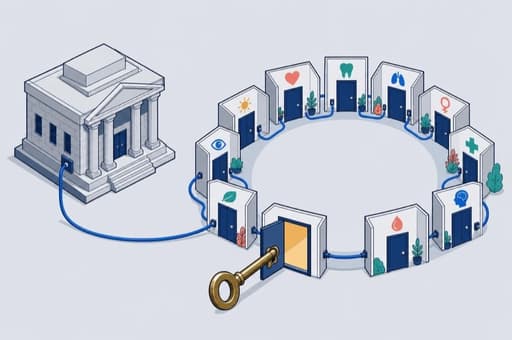
Blue-branded medical benefits for federal workers, retirees, and families produced $15.321 billion. The durable attraction is nationwide access; the watchpoint is whether government contract terms keep pace with medical costs.
Competes with High and Standard plans (GEHA) · Standard and Consumer Option plans (MHBP)
In plain English
Here, the buyer is the federal government’s personnel agency, and the customers are federal workers, retirees, and their families. Elevance administers their medical benefits in the areas where its Blue plans operate, while other Blue plans extend access around the country.
Picture a travel pass honored by many local transit systems: one program feels national even though different operators run each territory. Money follows enrollment and the government’s contract terms. Members stay when the price and nearby care remain attractive; Elevance earns by running the coverage and keeping medical bills and doctor prices within those terms.

Individual & Affordable Care Act Plans
Coverage bought by individuals, often with government help, generated $9.295 billion. Recent price increases lifted revenue despite fewer members; expired extra subsidies make affordability and enrollment the next test.
Competes with Ambetter marketplace plans (Centene) · Molina Marketplace plans (Molina Healthcare)
In plain English
This is health insurance for people who buy their own coverage instead of receiving it through a job or another government program. They shop through public marketplaces, brokers, or directly from Elevance’s Anthem and Wellpoint brands, and many receive government help with the monthly bill.
It resembles choosing a phone plan, except the doctor list and the cost when care is needed matter as much as the monthly price. Elevance collects monthly payments and covers medical bills. Customers reconsider every year, so changes in government help, approved prices, and which doctors participate can quickly move membership.
Employer Group Plans & BlueCard
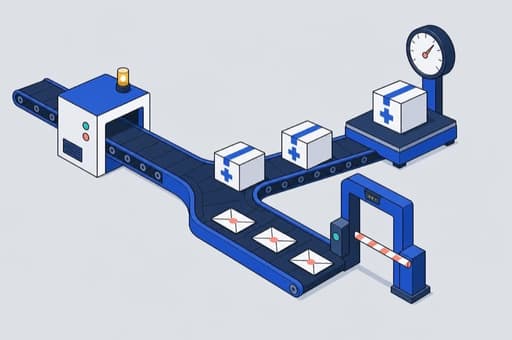
Workplace plans and BlueCard access generated $41.106 billion. The steadier path is administering bills for employers that fund the care themselves; insured membership, where Elevance bears the medical bill, has been falling.
Competes with Self-funded health plans (Cigna Healthcare) · Employer health plans (Aetna)
In plain English
Two versions sit under one workplace offering. In one, an employer pays Elevance a monthly price and Elevance takes responsibility for employees’ medical bills. In the other, the employer pays those bills while Elevance charges to process them, negotiate doctor prices, and provide a list of participating doctors and hospitals.
BlueCard lets members use participating Blue-plan doctors and hospitals outside their home area, like a bank card that works through partner machines. Employers keep paying because changing those care options and benefit administration disrupts workers. The fee-only version brings in less money per person, but it also leaves the big medical bills with the employer.
CarelonRx
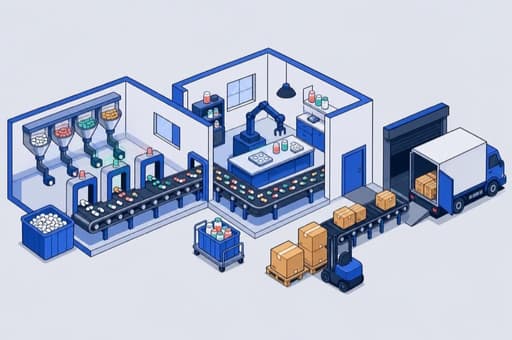
The pharmacy arm earned $24.483 billion from customers outside Elevance. It is growing even with fewer prescriptions, but CVS Caremark still performs the core prescription processing through the end of 2027.
Competes with CVS Caremark (CVS Health) · Express Scripts (The Cigna Group)
In plain English
The pharmacy counter is only the visible end of CarelonRx. Behind it, the business checks whether a prescription is covered, steers orders through participating pharmacies, bargains with drugmakers, and fills complex or home-delivery medicines.
Health plans and employers pay for that machinery because every prescription otherwise arrives with a different price and set of rules. CarelonRx earns service fees and money tied to the medicines and discounts it handles. Its unusual weak spot is that CVS Caremark, also a direct rival, still runs the core prescription-processing system through the end of 2027.
Carelon Services
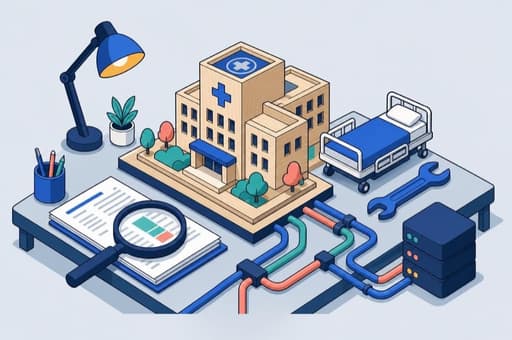
Medical support, bill-checking, and health-data work brought in $7.141 billion from outside customers. Sales are rising, but fewer patients using certain services and a changed customer contract recently pulled down profitability.
Competes with Payment Integrity (Optum) · Utilization Management (EviCore by Evernorth)
In plain English
Behind an insurance card sits a long list of chores: checking whether costly care is needed, helping people find mental-health or home-based support, catching incorrect bills, and moving patient information into the software doctors already use. Carelon Services bundles those chores.
Elevance’s own plans are its biggest workshop, while outside health plans also pay fees or let Carelon take responsibility for part of their medical spending. The promise is simple: spend a dollar here to avoid a larger, unnecessary bill later. Customers keep paying only if the savings and smoother care are visible, so fewer patients using a service or a changed contract can quickly dent results.


 MedicaidState-funded coverage for people with low incomes or complex needs brought in $56.620 billion. Revenue kept growing even as membership fell, but the deciding question is whether state payments cover members’ rising medical needs.
State-funded coverage for people with low incomes or complex needs brought in $56.620 billion. Revenue kept growing even as membership fell, but the deciding question is whether state payments cover members’ rising medical needs.
In plain English
A state hires Elevance to arrange healthcare for each enrolled person and pays a set amount every month. Elevance builds the list of doctors and hospitals, pays the medical bills, and keeps what remains after care and administration.
That arrangement works like a meal allowance set before anyone knows how hungry the group will be. If members need more care than expected, costs can outrun the state payment. States keep paying because they need one operator to organize care for millions of people, but Elevance is leaving markets where the allowance no longer covers the bill.
Competes with Medicaid managed-care plans (Centene) · Medicaid health plans (Molina Healthcare)
 MedicarePrivate Medicare coverage for older and higher-need members generated $44.752 billion. Elevance is deliberately shedding plans that no longer pay enough; revenue and membership both fell in the latest quarter.
Private Medicare coverage for older and higher-need members generated $44.752 billion. Elevance is deliberately shedding plans that no longer pay enough; revenue and membership both fell in the latest quarter.
In plain English
Think of Medicare Advantage as the government handing a private insurer a monthly budget to provide an older person’s Medicare benefits. Elevance collects that payment, offers a package of doctors, hospitals, and extras, then pays for the care members use.
The budget changes with each member’s health and the plan’s quality, so accurate records and careful pricing matter. People renew when the benefits, costs, and nearby doctors suit them. Elevance has been closing selected plans where that math stopped working, which protects the remaining book but shrinks membership now.
Competes with UnitedHealthcare Medicare Advantage (UnitedHealth Group) · Humana Medicare Advantage (Humana)
 Federal Employee ProgramBlue-branded medical benefits for federal workers, retirees, and families produced $15.321 billion. The durable attraction is nationwide access; the watchpoint is whether government contract terms keep pace with medical costs.
Blue-branded medical benefits for federal workers, retirees, and families produced $15.321 billion. The durable attraction is nationwide access; the watchpoint is whether government contract terms keep pace with medical costs.
In plain English
Here, the buyer is the federal government’s personnel agency, and the customers are federal workers, retirees, and their families. Elevance administers their medical benefits in the areas where its Blue plans operate, while other Blue plans extend access around the country.
Picture a travel pass honored by many local transit systems: one program feels national even though different operators run each territory. Money follows enrollment and the government’s contract terms. Members stay when the price and nearby care remain attractive; Elevance earns by running the coverage and keeping medical bills and doctor prices within those terms.
Competes with High and Standard plans (GEHA) · Standard and Consumer Option plans (MHBP)
 Individual & Affordable Care Act PlansCoverage bought by individuals, often with government help, generated $9.295 billion. Recent price increases lifted revenue despite fewer members; expired extra subsidies make affordability and enrollment the next test.
Coverage bought by individuals, often with government help, generated $9.295 billion. Recent price increases lifted revenue despite fewer members; expired extra subsidies make affordability and enrollment the next test.
In plain English
This is health insurance for people who buy their own coverage instead of receiving it through a job or another government program. They shop through public marketplaces, brokers, or directly from Elevance’s Anthem and Wellpoint brands, and many receive government help with the monthly bill.
It resembles choosing a phone plan, except the doctor list and the cost when care is needed matter as much as the monthly price. Elevance collects monthly payments and covers medical bills. Customers reconsider every year, so changes in government help, approved prices, and which doctors participate can quickly move membership.
Competes with Ambetter marketplace plans (Centene) · Molina Marketplace plans (Molina Healthcare)
 Employer Group Plans & BlueCardWorkplace plans and BlueCard access generated $41.106 billion. The steadier path is administering bills for employers that fund the care themselves; insured membership, where Elevance bears the medical bill, has been falling.
Workplace plans and BlueCard access generated $41.106 billion. The steadier path is administering bills for employers that fund the care themselves; insured membership, where Elevance bears the medical bill, has been falling.
In plain English
Two versions sit under one workplace offering. In one, an employer pays Elevance a monthly price and Elevance takes responsibility for employees’ medical bills. In the other, the employer pays those bills while Elevance charges to process them, negotiate doctor prices, and provide a list of participating doctors and hospitals.
BlueCard lets members use participating Blue-plan doctors and hospitals outside their home area, like a bank card that works through partner machines. Employers keep paying because changing those care options and benefit administration disrupts workers. The fee-only version brings in less money per person, but it also leaves the big medical bills with the employer.
Competes with Self-funded health plans (Cigna Healthcare) · Employer health plans (Aetna)
 CarelonRxThe pharmacy arm earned $24.483 billion from customers outside Elevance. It is growing even with fewer prescriptions, but CVS Caremark still performs the core prescription processing through the end of 2027.
The pharmacy arm earned $24.483 billion from customers outside Elevance. It is growing even with fewer prescriptions, but CVS Caremark still performs the core prescription processing through the end of 2027.
In plain English
The pharmacy counter is only the visible end of CarelonRx. Behind it, the business checks whether a prescription is covered, steers orders through participating pharmacies, bargains with drugmakers, and fills complex or home-delivery medicines.
Health plans and employers pay for that machinery because every prescription otherwise arrives with a different price and set of rules. CarelonRx earns service fees and money tied to the medicines and discounts it handles. Its unusual weak spot is that CVS Caremark, also a direct rival, still runs the core prescription-processing system through the end of 2027.
Competes with CVS Caremark (CVS Health) · Express Scripts (The Cigna Group)
 Carelon ServicesMedical support, bill-checking, and health-data work brought in $7.141 billion from outside customers. Sales are rising, but fewer patients using certain services and a changed customer contract recently pulled down profitability.
Medical support, bill-checking, and health-data work brought in $7.141 billion from outside customers. Sales are rising, but fewer patients using certain services and a changed customer contract recently pulled down profitability.
In plain English
Behind an insurance card sits a long list of chores: checking whether costly care is needed, helping people find mental-health or home-based support, catching incorrect bills, and moving patient information into the software doctors already use. Carelon Services bundles those chores.
Elevance’s own plans are its biggest workshop, while outside health plans also pay fees or let Carelon take responsibility for part of their medical spending. The promise is simple: spend a dollar here to avoid a larger, unnecessary bill later. Customers keep paying only if the savings and smoother care are visible, so fewer patients using a service or a changed contract can quickly dent results.
Competes with Payment Integrity (Optum) · Utilization Management (EviCore by Evernorth)
Named in filings, launches and programs
- Anthem Blue Cross and Blue ShieldBrandThe local identity for workplace and government health plans in territories where Elevance is allowed to use the Blue name.
- WellpointBrandThe health-plan name used outside Blue territories and for selected expansions of individually purchased coverage.
- CareBridgeBrandManages home- and community-based support, adding more hands-on care capability to Carelon Services.
- BioPlus Specialty PharmacyBrandCarelonRx operation that fills complex medicines.
- Kroger Specialty PharmacyBrandSpecialty-pharmacy operation acquired in 2024 and folded into CarelonRx.
- Paragon HealthcareBrandCarelonRx business providing medicines given through an IV and other complex treatments.
- HealthOSPlatform · RampingMoves patient information into doctors’ everyday software and streamlines checks required before care.
- Sydney HealthPlatformMember app for finding care, viewing benefits, and navigating health services.
- Mosaic HealthEcosystemPrimary-care partnership that Elevance partly owned at year-end.
- LIBERTY Dental PlanEcosystemDental-plan affiliate that Elevance partly owned at year-end.
- Centers Plan for Healthy LivingBrandNew York Medicaid operation focused on long-term services, acquired at the end of 2024.
- North Carolina foster-care programCustomer programBlue Cross Blue Shield of North Carolina partnership serving roughly sixty thousand foster-care members after being chosen directly by the state.
- Eighteen 2025 national accountsCustomer programEmployer accounts announced for 2025, several combining medical coverage with pharmacy services; customer names were not disclosed.
- Two national CarelonRx winsCustomer program · AnnouncedTwo large pharmacy-service awards announced in 2026; customer names and start dates were not disclosed.
Anthem Blue Cross and Blue ShieldBrand
The local identity for workplace and government health plans in territories where Elevance is allowed to use the Blue name.
WellpointBrand
The health-plan name used outside Blue territories and for selected expansions of individually purchased coverage.
CareBridgeBrand
Manages home- and community-based support, adding more hands-on care capability to Carelon Services.
BioPlus Specialty PharmacyBrand
CarelonRx operation that fills complex medicines.
Kroger Specialty PharmacyBrand
Specialty-pharmacy operation acquired in 2024 and folded into CarelonRx.
Paragon HealthcareBrand
CarelonRx business providing medicines given through an IV and other complex treatments.
HealthOSPlatform · Ramping
Moves patient information into doctors’ everyday software and streamlines checks required before care.
Sydney HealthPlatform
Member app for finding care, viewing benefits, and navigating health services.
Mosaic HealthEcosystem
Primary-care partnership that Elevance partly owned at year-end.
LIBERTY Dental PlanEcosystem
Dental-plan affiliate that Elevance partly owned at year-end.
Centers Plan for Healthy LivingBrand
New York Medicaid operation focused on long-term services, acquired at the end of 2024.
North Carolina foster-care programCustomer program
Blue Cross Blue Shield of North Carolina partnership serving roughly sixty thousand foster-care members after being chosen directly by the state.
Eighteen 2025 national accountsCustomer program
Employer accounts announced for 2025, several combining medical coverage with pharmacy services; customer names were not disclosed.
Two national CarelonRx winsCustomer program · Announced
Two large pharmacy-service awards announced in 2026; customer names and start dates were not disclosed.