
Diamondback Energy (FANG)
Produces Permian oil and gas while consolidating Viper's mineral and royalty portfolio.
Something off on this page? Send us feedback.
Diamondback drills for oil in one place — the Permian Basin of West Texas — and sells it at whatever price the world sets that day. Two enormous purchases in eighteen months made it one of the basin's biggest operators, and crude is still where most of the money comes from. Around the wells it is assembling a second business: royalties, water, pipelines and, later, electricity.
Item facts: FY2025 · year ended Dec 31, 2025, from filings, earnings calls and company pages.
Judgment weights, not filed revenue
The band summarizes business focus and direction. ~ marks estimates.
8 in detail · 6 more below
Oil sales
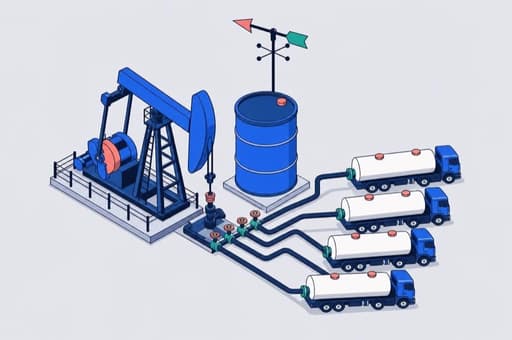
Crude from horizontal wells in the stacked rock of West Texas — the engine, at 77.3% of 2025 revenue and closer to 82% in the first half of 2026. Four buyers each took more than a tenth of the company's revenue, and the filings do not name them.
Competes with Permian upstream operations (ExxonMobil) · Permian operations (ConocoPhillips) · Midland and Delaware drilling program (Devon Energy)
In plain English
Under West Texas lie layers of rock with oil trapped in them, too tight to simply pump out, so wells are drilled straight down and then turned sideways to run along the oil-bearing layer.
Diamondback owns the acreage, drills those wells, runs them, and sells the crude — at the wellsite, or piped to Corpus Christi and Houston. It sets none of the price: a barrel is worth whatever the world pays that morning, which is why the same wells threw off huge profits one year and far less the next. The costs, meanwhile, barely move.
Viper Energy
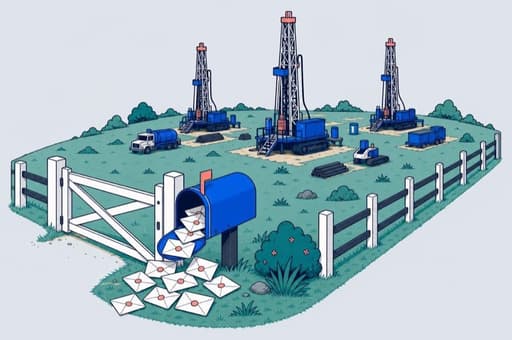
The royalty arm: it owns the mineral rights under Permian acreage and collects a cut of whatever wells drilled there produce, with no drilling bills. Its royalty take was about $660M in the second quarter of 2026 — already counted inside Diamondback's sales, not on top of them.
Competes with Permian mineral and royalty acres (Texas Pacific Land) · Multi-basin mineral ownership (Kimbell Royalty Partners) · Mineral and royalty interests (Black Stone Minerals)
In plain English
Think of the landlord who owns the ground rather than the shop: whoever drills a well on Viper's land owes it a slice of everything that well produces, and Viper never pays a drilling bill or a pumping bill.
It is a separate listed company that Diamondback controls with about a 39% stake, so all of Viper's income shows up in Diamondback's own revenue. Most of the wells paying Viper belong to other companies — Diamondback operated only about one in six of the wells recently brought online on Viper's acreage — which makes it a bet on the whole basin drilling, not just on Diamondback.
Barnett and Woodford development program
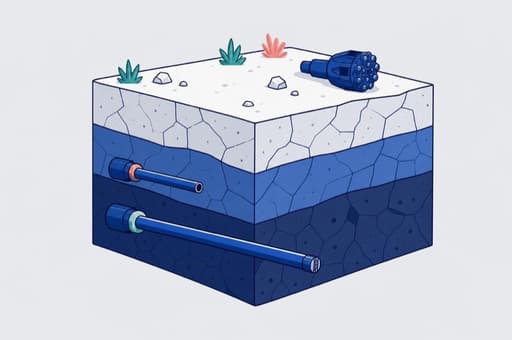
A deeper rock layer beneath wells Diamondback already drills, disclosed for the first time in February 2026: rights to roughly 200,000 acres, 24 wells drilled so far. Early wells give up more per foot than the core rock, but a foot costs about twice as much.
Competes with Barnett and Woodford deep-zone wells (Occidental) · Woodford and Spraberry development (SM Energy)
In plain English
Every acre Diamondback already owns has more than one oil-bearing layer stacked under it. The Barnett and Woodford sit below the layers it has been drilling for years — same surface, same roads, deeper hole.
The appeal is that this rock gives up more per foot of well; the catch is that a foot costs roughly double, so the program only works if drilling gets cheaper. Diamondback has drilled two dozen of these wells, keeps leasing more acreage alongside Double Eagle, the company it bought about four billion dollars of Permian acreage from last year, and has set aside a small slice of this year's budget to keep testing.
Natural gas liquids
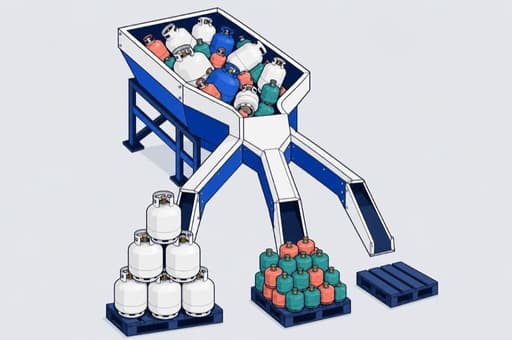
Propane, butane and their cousins, stripped out of the gas that comes up with the oil. They brought in $1,432M in 2025 and sell for a fraction of what crude fetches. The volumes arrive whether prices are good or not, because they ride out with the oil.
Competes with Liquids from Permian wells (Occidental) · Liquids from Permian wells (ConocoPhillips)
In plain English
When oil comes out of the ground, a stream of gas comes with it. Chill and squeeze that gas and part of it turns into liquids — the propane in a barbecue tank, the butane in a lighter, the raw material plants melt into plastic.
Diamondback hands the raw gas to processing plants, which pull those liquids out and sell them; Diamondback is paid for the liquids, minus fees for the processing and the pipe. It cannot really turn the tap: these barrels only stop coming if the oil stops coming, which is why a bad price for them is something to endure rather than manage.
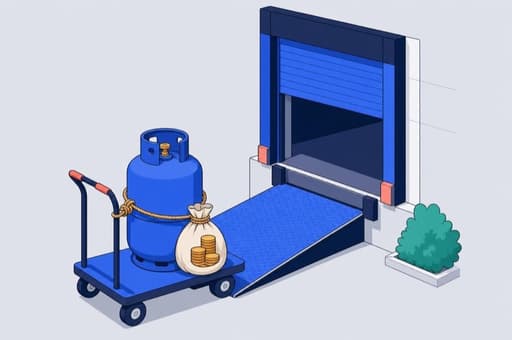
Natural gas sales
The by-product that turned into a bill. Gas sales were $400M in 2025, then went negative — minus $276M in the second quarter of 2026 — because Diamondback had to pay to get its gas taken away. New pipes turned the local price positive in July 2026.
Competes with Haynesville dry gas (Expand Energy) · Gas from Permian wells (Devon Energy)
In plain English
Some things are worth less than nothing when you cannot get rid of them. West Texas produces more gas than the pipelines out of the region can carry, so the local price collapsed right through zero.
Below zero means Diamondback pays someone to take the gas off its hands rather than being paid for it. It cannot leave the gas in the ground either, because the gas only stops when the oil stops, and the oil is the whole business. At times it has shut in a couple of thousand barrels a day rather than sell into that. Two big pipelines opened in 2026 and the local price came back above zero in July.
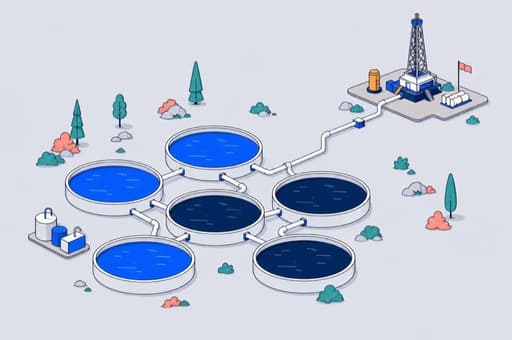
Deep Blue Midland Basin
The water business. Wells bring up salty water with the crude, and it has to go somewhere. Diamondback sold its own water system into Deep Blue for about $694M in October 2025, kept 30% of the platform, and tied itself in as a customer for 15 years.
Competes with Permian produced-water network (Aris Water Solutions) · Permian water gathering and disposal (WaterBridge) · Water recycling and infrastructure (Select Water Solutions)
In plain English
Drilling needs water going in, and wells bring salty water back out; neither can just sit in a field. Deep Blue is the pipes and ponds that handle both. Diamondback owns 30%, Five Point Infrastructure owns the other 70%.
Diamondback used to run that plumbing itself. Selling it in swapped a chore it paid for into a business it part-owns and a service it now buys — its operating cost per barrel rose about thirty cents. In return, Deep Blue holds fifteen years of Diamondback's water across a twelve-county patch and can chase other drillers' work. Rival Aris is being bought by Western Midstream, and that pairing will move more water in the basin than Deep Blue.
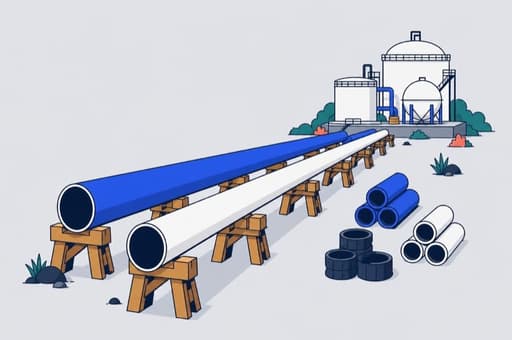
Solitude Pipeline System
Two big gas pipelines from the Permian to the Gulf Coast, given the go-ahead in August 2026 with Diamondback holding 7.5%. Nothing flows until the second half of 2029. It is the long-term answer to gas that has nowhere to go.
Competes with Blackcomb Pipeline (WhiteWater) · Hugh Brinson Pipeline (Energy Transfer)
In plain English
Two forty-eight-inch steel lines, wide enough to walk through hunched over, running from the oil fields of West Texas to Katy, Texas, where the buyers are: export terminals, power plants, chemical works.
Diamondback is putting up 7.5% alongside WhiteWater, which operates it and owns half, plus Devon, MPLX and Western Midstream. This is less an investment than a fix: gas that cannot leave West Texas sells for less than nothing, so owning a share of the road out is how the company stops paying to give its gas away. Construction runs to 2029, and none of it earns anything before then.
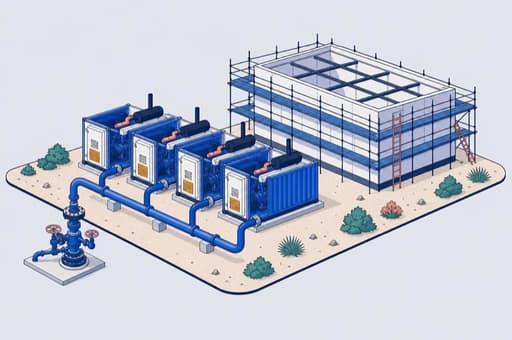
Bryant Ranch power project
Diamondback owns 30,000 acres of ground near Midland and plans to burn its own gas there in on-site engines, selling the electricity to data centres. First gas is targeted for the second half of 2027. No buyer is named, and management puts no value on it yet.
Competes with Permian surface leased for data centres (LandBridge) · Surface acreage digital-infrastructure program (Texas Pacific Land)
In plain English
Data centres full of artificial-intelligence computers need enormous amounts of electricity, and a spot on the Texas grid takes years to get. Diamondback owns a 30,000-acre ranch near Midland and produces gas it has struggled to sell.
The plan is to stand generator engines on that ranch, feed them 200 to 250 million cubic feet of gas a day, and sell the power straight to a data centre alongside them, with a grid hook-up to follow. Nothing is signed: the company says it will give details once there is a long-term contract with a credible buyer. For now this is land, gas and an idea.


 Oil salesCrude from horizontal wells in the stacked rock of West Texas — the engine, at 77.3% of 2025 revenue and closer to 82% in the first half of 2026. Four buyers each took more than a tenth of the company's revenue, and the filings do not name them.
Crude from horizontal wells in the stacked rock of West Texas — the engine, at 77.3% of 2025 revenue and closer to 82% in the first half of 2026. Four buyers each took more than a tenth of the company's revenue, and the filings do not name them.
In plain English
Under West Texas lie layers of rock with oil trapped in them, too tight to simply pump out, so wells are drilled straight down and then turned sideways to run along the oil-bearing layer.
Diamondback owns the acreage, drills those wells, runs them, and sells the crude — at the wellsite, or piped to Corpus Christi and Houston. It sets none of the price: a barrel is worth whatever the world pays that morning, which is why the same wells threw off huge profits one year and far less the next. The costs, meanwhile, barely move.
Competes with Permian upstream operations (ExxonMobil) · Permian operations (ConocoPhillips) · Midland and Delaware drilling program (Devon Energy)
 Viper EnergyThe royalty arm: it owns the mineral rights under Permian acreage and collects a cut of whatever wells drilled there produce, with no drilling bills. Its royalty take was about $660M in the second quarter of 2026 — already counted inside Diamondback's sales, not on top of them.
The royalty arm: it owns the mineral rights under Permian acreage and collects a cut of whatever wells drilled there produce, with no drilling bills. Its royalty take was about $660M in the second quarter of 2026 — already counted inside Diamondback's sales, not on top of them.
In plain English
Think of the landlord who owns the ground rather than the shop: whoever drills a well on Viper's land owes it a slice of everything that well produces, and Viper never pays a drilling bill or a pumping bill.
It is a separate listed company that Diamondback controls with about a 39% stake, so all of Viper's income shows up in Diamondback's own revenue. Most of the wells paying Viper belong to other companies — Diamondback operated only about one in six of the wells recently brought online on Viper's acreage — which makes it a bet on the whole basin drilling, not just on Diamondback.
Competes with Permian mineral and royalty acres (Texas Pacific Land) · Multi-basin mineral ownership (Kimbell Royalty Partners) · Mineral and royalty interests (Black Stone Minerals)
 Barnett and Woodford development programA deeper rock layer beneath wells Diamondback already drills, disclosed for the first time in February 2026: rights to roughly 200,000 acres, 24 wells drilled so far. Early wells give up more per foot than the core rock, but a foot costs about twice as much.
A deeper rock layer beneath wells Diamondback already drills, disclosed for the first time in February 2026: rights to roughly 200,000 acres, 24 wells drilled so far. Early wells give up more per foot than the core rock, but a foot costs about twice as much.
In plain English
Every acre Diamondback already owns has more than one oil-bearing layer stacked under it. The Barnett and Woodford sit below the layers it has been drilling for years — same surface, same roads, deeper hole.
The appeal is that this rock gives up more per foot of well; the catch is that a foot costs roughly double, so the program only works if drilling gets cheaper. Diamondback has drilled two dozen of these wells, keeps leasing more acreage alongside Double Eagle, the company it bought about four billion dollars of Permian acreage from last year, and has set aside a small slice of this year's budget to keep testing.
Competes with Barnett and Woodford deep-zone wells (Occidental) · Woodford and Spraberry development (SM Energy)
 Natural gas liquidsPropane, butane and their cousins, stripped out of the gas that comes up with the oil. They brought in $1,432M in 2025 and sell for a fraction of what crude fetches. The volumes arrive whether prices are good or not, because they ride out with the oil.
Propane, butane and their cousins, stripped out of the gas that comes up with the oil. They brought in $1,432M in 2025 and sell for a fraction of what crude fetches. The volumes arrive whether prices are good or not, because they ride out with the oil.
In plain English
When oil comes out of the ground, a stream of gas comes with it. Chill and squeeze that gas and part of it turns into liquids — the propane in a barbecue tank, the butane in a lighter, the raw material plants melt into plastic.
Diamondback hands the raw gas to processing plants, which pull those liquids out and sell them; Diamondback is paid for the liquids, minus fees for the processing and the pipe. It cannot really turn the tap: these barrels only stop coming if the oil stops coming, which is why a bad price for them is something to endure rather than manage.
Competes with Liquids from Permian wells (Occidental) · Liquids from Permian wells (ConocoPhillips)
 Natural gas salesThe by-product that turned into a bill. Gas sales were $400M in 2025, then went negative — minus $276M in the second quarter of 2026 — because Diamondback had to pay to get its gas taken away. New pipes turned the local price positive in July 2026.
The by-product that turned into a bill. Gas sales were $400M in 2025, then went negative — minus $276M in the second quarter of 2026 — because Diamondback had to pay to get its gas taken away. New pipes turned the local price positive in July 2026.
In plain English
Some things are worth less than nothing when you cannot get rid of them. West Texas produces more gas than the pipelines out of the region can carry, so the local price collapsed right through zero.
Below zero means Diamondback pays someone to take the gas off its hands rather than being paid for it. It cannot leave the gas in the ground either, because the gas only stops when the oil stops, and the oil is the whole business. At times it has shut in a couple of thousand barrels a day rather than sell into that. Two big pipelines opened in 2026 and the local price came back above zero in July.
Competes with Haynesville dry gas (Expand Energy) · Gas from Permian wells (Devon Energy)
 Deep Blue Midland BasinThe water business. Wells bring up salty water with the crude, and it has to go somewhere. Diamondback sold its own water system into Deep Blue for about $694M in October 2025, kept 30% of the platform, and tied itself in as a customer for 15 years.
The water business. Wells bring up salty water with the crude, and it has to go somewhere. Diamondback sold its own water system into Deep Blue for about $694M in October 2025, kept 30% of the platform, and tied itself in as a customer for 15 years.
In plain English
Drilling needs water going in, and wells bring salty water back out; neither can just sit in a field. Deep Blue is the pipes and ponds that handle both. Diamondback owns 30%, Five Point Infrastructure owns the other 70%.
Diamondback used to run that plumbing itself. Selling it in swapped a chore it paid for into a business it part-owns and a service it now buys — its operating cost per barrel rose about thirty cents. In return, Deep Blue holds fifteen years of Diamondback's water across a twelve-county patch and can chase other drillers' work. Rival Aris is being bought by Western Midstream, and that pairing will move more water in the basin than Deep Blue.
Competes with Permian produced-water network (Aris Water Solutions) · Permian water gathering and disposal (WaterBridge) · Water recycling and infrastructure (Select Water Solutions)
 Solitude Pipeline SystemTwo big gas pipelines from the Permian to the Gulf Coast, given the go-ahead in August 2026 with Diamondback holding 7.5%. Nothing flows until the second half of 2029. It is the long-term answer to gas that has nowhere to go.
Two big gas pipelines from the Permian to the Gulf Coast, given the go-ahead in August 2026 with Diamondback holding 7.5%. Nothing flows until the second half of 2029. It is the long-term answer to gas that has nowhere to go.
In plain English
Two forty-eight-inch steel lines, wide enough to walk through hunched over, running from the oil fields of West Texas to Katy, Texas, where the buyers are: export terminals, power plants, chemical works.
Diamondback is putting up 7.5% alongside WhiteWater, which operates it and owns half, plus Devon, MPLX and Western Midstream. This is less an investment than a fix: gas that cannot leave West Texas sells for less than nothing, so owning a share of the road out is how the company stops paying to give its gas away. Construction runs to 2029, and none of it earns anything before then.
Competes with Blackcomb Pipeline (WhiteWater) · Hugh Brinson Pipeline (Energy Transfer)
 Bryant Ranch power projectDiamondback owns 30,000 acres of ground near Midland and plans to burn its own gas there in on-site engines, selling the electricity to data centres. First gas is targeted for the second half of 2027. No buyer is named, and management puts no value on it yet.
Diamondback owns 30,000 acres of ground near Midland and plans to burn its own gas there in on-site engines, selling the electricity to data centres. First gas is targeted for the second half of 2027. No buyer is named, and management puts no value on it yet.
In plain English
Data centres full of artificial-intelligence computers need enormous amounts of electricity, and a spot on the Texas grid takes years to get. Diamondback owns a 30,000-acre ranch near Midland and produces gas it has struggled to sell.
The plan is to stand generator engines on that ranch, feed them 200 to 250 million cubic feet of gas a day, and sell the power straight to a data centre alongside them, with a grid hook-up to follow. Nothing is signed: the company says it will give details once there is a long-term contract with a credible buyer. For now this is land, gas and an idea.
Competes with Permian surface leased for data centres (LandBridge) · Surface acreage digital-infrastructure program (Texas Pacific Land)
Named in filings, launches and programs
- Sales of purchased oilServiceThird-party crude bought and resold to fill pipeline commitments: $1,476M of 2025 revenue against $1,474M of cost, so plenty of sales and almost no profit.
- Delaware Basin positionProduct lineThe smaller of Diamondback's two Permian positions: about 94,000 net acres that sold roughly $1.0B in 2025 and gets no drilling budget in 2026.
- Gray Oak and Wink-to-Webster commitmentsEcosystemReserved space on crude pipelines — about 300,000 barrels a day toward Corpus Christi and 100,000 toward Houston — which is part of why it also buys and resells oil.
- Chemical Enhanced Oil Recovery programProduct · Pre-revenueA 50-well pilot pumping soap-like chemicals into wells to loosen more oil; completed in late 2025, with about 100 extra barrels a day so far.
- Permian surface acreageEcosystemMore than 65,000 acres of ground surface across the Permian — the land the power project is being built on.
- Conduit Power 200 MW ERCOT generationCustomer program · AnnouncedDiamondback and Granite Ridge signed on in December 2025 as financial partners in 200 megawatts of small-scale Texas generation built by Conduit Power.
Sales of purchased oilService
Third-party crude bought and resold to fill pipeline commitments: $1,476M of 2025 revenue against $1,474M of cost, so plenty of sales and almost no profit.
Delaware Basin positionProduct line
The smaller of Diamondback's two Permian positions: about 94,000 net acres that sold roughly $1.0B in 2025 and gets no drilling budget in 2026.
Gray Oak and Wink-to-Webster commitmentsEcosystem
Reserved space on crude pipelines — about 300,000 barrels a day toward Corpus Christi and 100,000 toward Houston — which is part of why it also buys and resells oil.
Chemical Enhanced Oil Recovery programProduct · Pre-revenue
A 50-well pilot pumping soap-like chemicals into wells to loosen more oil; completed in late 2025, with about 100 extra barrels a day so far.
Permian surface acreageEcosystem
More than 65,000 acres of ground surface across the Permian — the land the power project is being built on.
Conduit Power 200 MW ERCOT generationCustomer program · Announced
Diamondback and Granite Ridge signed on in December 2025 as financial partners in 200 megawatts of small-scale Texas generation built by Conduit Power.