
GE Aerospace (GE)
Builds aircraft engines and earns most revenue servicing them over decades.
Something off on this page? Send us feedback.
GE Aerospace makes aircraft engines, but much of the business is really about keeping those engines flying for decades. Commercial engine care pays most of the bills, while new single-aisle and long-haul engines seed tomorrow's service work; defense, smaller engines and aircraft parts broaden the base. The whole machine depends on airlines flying, factories delivering parts, and repair shops clearing a growing queue.
Item facts: FY2025 · year ended Dec 31, 2025, from filings, earnings calls and company pages.
Judgment weights, not filed revenue
The band summarizes business focus and direction. ~ marks estimates.
6 in detail · 11 more below
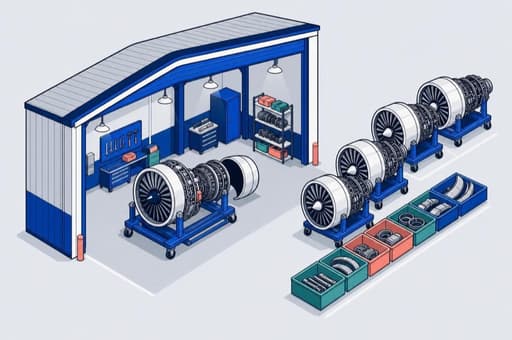
TrueChoice Commercial Services
The engine-care business that makes GE feel subscription-like. Across GE Aerospace, promised future work reached $210.790B at June 30, 2026, mostly from services; repair-shop and parts capacity decide how quickly that demand becomes sales.
Competes with EngineWise Maintenance (Pratt & Whitney) · LEAP/CFM56 services (StandardAero)
In plain English
The unglamorous engine-care work is the center of the business. GE and partner shops replace worn parts controlled by GE, overhaul engines, and help airlines move engines between aircraft so fleets keep flying. The roughly 50,000 commercial engines already in service create a long queue of future work.
Airlines and aircraft owners pay when an engine flies, reaches a scheduled repair, or needs one-off work. Agreements can last 10 to 25 years, so selling an engine is like placing a printer that will need GE-made ink and servicing for much of its life. More flying creates more wear; scarce parts and shop space limit how fast GE can collect.
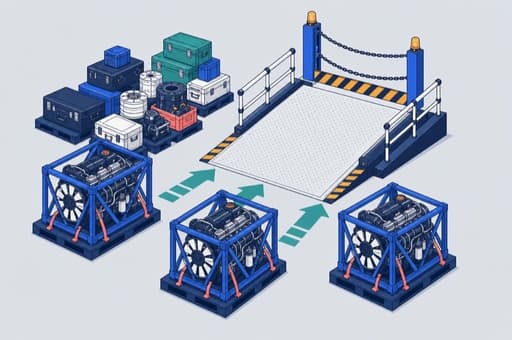
Defense & Systems
Military engines, onboard electronics and power systems produced $6.574B in fiscal 2025. Promised future work topped $30B by the second quarter of fiscal 2026; government funding, export permission and factory capacity set the pace.
Competes with F100-PW-229 (Pratt & Whitney) · EJ200 (EUROJET) · Makila (Safran)
In plain English
A fighter jet cannot shop for a replacement engine at the last minute. GE supplies engines for combat aircraft, helicopters and ships, plus the onboard electronics and electrical systems that help military aircraft operate. It also keeps those products working after delivery.
Governments ultimately fund the purchases, often ordering through aircraft makers or programs that equip allied countries. They pay for new engines, spare parts and years of upkeep. Long awards can lock in demand, but money arrives only as budgets are approved, exports are cleared and factories produce approved hardware. That makes the business durable, yet closely tied to public spending and production bottlenecks.
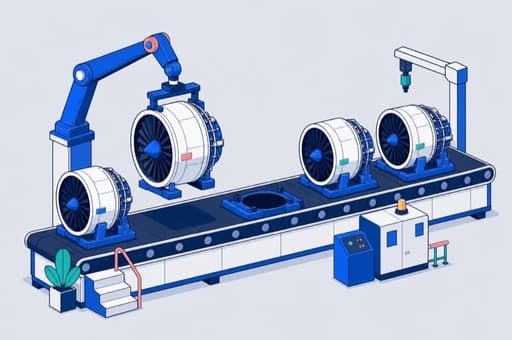
LEAP
The main new engine for popular single-aisle jets, built through CFM with Safran. Deliveries rose 41% in the first half of fiscal 2026; aircraft production, materials and durability determine whether the number of engines in service keeps expanding.
Competes with PW1100G-JM / GTF Advantage (Pratt & Whitney) · UltraFan 30 (Rolls-Royce)
In plain English
LEAP is the jet engine mounted on many newer single-aisle aircraft made by Airbus, Boeing and COMAC. GE shares the CFM venture that builds it equally with Safran, so aircraft makers' production schedules pull engines through the factories.
Airlines buy the aircraft and spare engines, but early engine sales carry discounts and the cost of learning to build faster. The deeper payoff comes later: every delivered LEAP joins a fleet that will need GE and partner parts and repairs for years. Picture planting an orchard—the young trees are costly to establish, while the harvest arrives as the installed fleet ages and flies more often.
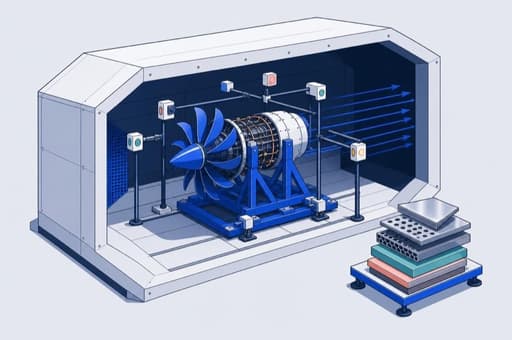
CFM RISE program
A test program for a possible next single-aisle engine, not a product or an order. About 500 test campaigns had run by July 2026; the watchpoint is whether aircraft makers ever select and certify the design.
Competes with GTF Advantage/successor (Pratt & Whitney) · UltraFan 30 (Rolls-Royce)
In plain English
Nothing in this laboratory is for sale yet. RISE combines a fan without the usual outer tube, a smaller engine core, new materials and electric assistance to explore what could power the next generation of single-aisle aircraft. GE and Safran run the work through CFM.
For now, testing consumes money rather than producing sales. The program turns commercial only if an aircraft maker chooses the design, regulators approve it and airlines order the resulting aircraft. Airbus and Singapore's aviation authority help with tests, but they are not production customers. RISE matters because today's engine choice can create decades of later parts and repair work.
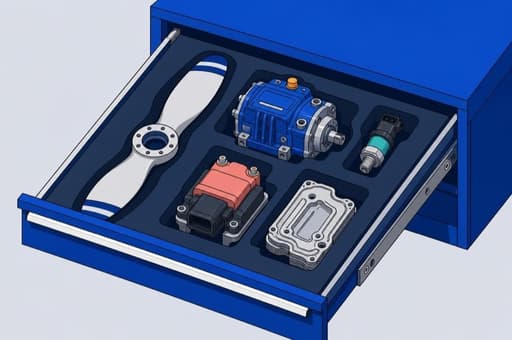
Propulsion & Additive Technologies
A mixed shelf of smaller propulsion businesses: turboprop engines, gearboxes, propellers, controls, sensors and machines that print metal parts. Fiscal 2025 revenue grew 18% to $3.980B; European program funding and metal supply matter next.
Competes with PW100/PW150 (Pratt & Whitney Canada) · NP2000 (Collins Aerospace)
In plain English
Think of this as GE Aerospace's specialist parts cabinet. Avio Aero, Unison, Dowty Propellers and Colibrium Additive make products ranging from propellers and small aircraft engines to ignition controls, sensors and machines that build metal parts layer by layer.
Aircraft makers and other engine companies buy these certified pieces to complete larger systems; military programs also fund component work. Avio Aero adds repair income after delivery. The portfolio spreads GE across more of an aircraft than the main engine alone, but each product follows a different production rhythm. Available specialty metals, certification and European program budgets decide how quickly orders become shipments.
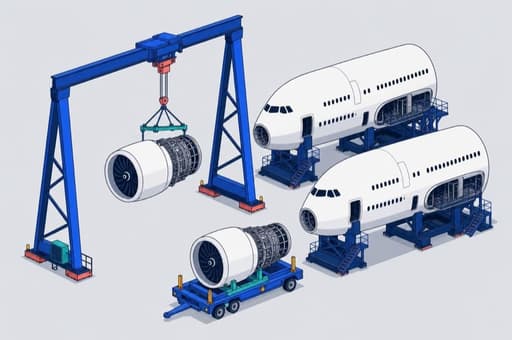
Widebody Engine Portfolio
Large engines for long-haul aircraft, from the mature CF6 and GE90 to GEnx and the newer GE9X. Deliveries rose 30% in the second quarter of fiscal 2026; Boeing production and GE9X certification remain the gates.
Competes with Trent 1000 (Rolls-Royce) · Trent XWB (Rolls-Royce)
In plain English
Long-haul jets need enormous engines, and this family spans several generations. GEnx powers many Boeing 787s, while GE9X is designed only for the 777X; older CF6 and GE90 engines still serve existing fleets. The card counts new hardware, while their repairs sit in TrueChoice.
Boeing, leasing companies and airlines order engines with aircraft or as spares. A fresh delivery brings equipment revenue now and can feed years of later parts and overhaul work. This behaves like a bridge with a toll road attached: aircraft production opens the bridge, then every flight adds wear that eventually reaches the service network. Certification and Boeing's build pace control the opening.


 TrueChoice Commercial ServicesThe engine-care business that makes GE feel subscription-like. Across GE Aerospace, promised future work reached $210.790B at June 30, 2026, mostly from services; repair-shop and parts capacity decide how quickly that demand becomes sales.
The engine-care business that makes GE feel subscription-like. Across GE Aerospace, promised future work reached $210.790B at June 30, 2026, mostly from services; repair-shop and parts capacity decide how quickly that demand becomes sales.
In plain English
The unglamorous engine-care work is the center of the business. GE and partner shops replace worn parts controlled by GE, overhaul engines, and help airlines move engines between aircraft so fleets keep flying. The roughly 50,000 commercial engines already in service create a long queue of future work.
Airlines and aircraft owners pay when an engine flies, reaches a scheduled repair, or needs one-off work. Agreements can last 10 to 25 years, so selling an engine is like placing a printer that will need GE-made ink and servicing for much of its life. More flying creates more wear; scarce parts and shop space limit how fast GE can collect.
Competes with EngineWise Maintenance (Pratt & Whitney) · LEAP/CFM56 services (StandardAero)
 Defense & SystemsMilitary engines, onboard electronics and power systems produced $6.574B in fiscal 2025. Promised future work topped $30B by the second quarter of fiscal 2026; government funding, export permission and factory capacity set the pace.
Military engines, onboard electronics and power systems produced $6.574B in fiscal 2025. Promised future work topped $30B by the second quarter of fiscal 2026; government funding, export permission and factory capacity set the pace.
In plain English
A fighter jet cannot shop for a replacement engine at the last minute. GE supplies engines for combat aircraft, helicopters and ships, plus the onboard electronics and electrical systems that help military aircraft operate. It also keeps those products working after delivery.
Governments ultimately fund the purchases, often ordering through aircraft makers or programs that equip allied countries. They pay for new engines, spare parts and years of upkeep. Long awards can lock in demand, but money arrives only as budgets are approved, exports are cleared and factories produce approved hardware. That makes the business durable, yet closely tied to public spending and production bottlenecks.
Competes with F100-PW-229 (Pratt & Whitney) · EJ200 (EUROJET) · Makila (Safran)
 LEAPThe main new engine for popular single-aisle jets, built through CFM with Safran. Deliveries rose 41% in the first half of fiscal 2026; aircraft production, materials and durability determine whether the number of engines in service keeps expanding.
The main new engine for popular single-aisle jets, built through CFM with Safran. Deliveries rose 41% in the first half of fiscal 2026; aircraft production, materials and durability determine whether the number of engines in service keeps expanding.
In plain English
LEAP is the jet engine mounted on many newer single-aisle aircraft made by Airbus, Boeing and COMAC. GE shares the CFM venture that builds it equally with Safran, so aircraft makers' production schedules pull engines through the factories.
Airlines buy the aircraft and spare engines, but early engine sales carry discounts and the cost of learning to build faster. The deeper payoff comes later: every delivered LEAP joins a fleet that will need GE and partner parts and repairs for years. Picture planting an orchard—the young trees are costly to establish, while the harvest arrives as the installed fleet ages and flies more often.
Competes with PW1100G-JM / GTF Advantage (Pratt & Whitney) · UltraFan 30 (Rolls-Royce)
 CFM RISE programA test program for a possible next single-aisle engine, not a product or an order. About 500 test campaigns had run by July 2026; the watchpoint is whether aircraft makers ever select and certify the design.
A test program for a possible next single-aisle engine, not a product or an order. About 500 test campaigns had run by July 2026; the watchpoint is whether aircraft makers ever select and certify the design.
In plain English
Nothing in this laboratory is for sale yet. RISE combines a fan without the usual outer tube, a smaller engine core, new materials and electric assistance to explore what could power the next generation of single-aisle aircraft. GE and Safran run the work through CFM.
For now, testing consumes money rather than producing sales. The program turns commercial only if an aircraft maker chooses the design, regulators approve it and airlines order the resulting aircraft. Airbus and Singapore's aviation authority help with tests, but they are not production customers. RISE matters because today's engine choice can create decades of later parts and repair work.
Competes with GTF Advantage/successor (Pratt & Whitney) · UltraFan 30 (Rolls-Royce)
 Propulsion & Additive TechnologiesA mixed shelf of smaller propulsion businesses: turboprop engines, gearboxes, propellers, controls, sensors and machines that print metal parts. Fiscal 2025 revenue grew 18% to $3.980B; European program funding and metal supply matter next.
A mixed shelf of smaller propulsion businesses: turboprop engines, gearboxes, propellers, controls, sensors and machines that print metal parts. Fiscal 2025 revenue grew 18% to $3.980B; European program funding and metal supply matter next.
In plain English
Think of this as GE Aerospace's specialist parts cabinet. Avio Aero, Unison, Dowty Propellers and Colibrium Additive make products ranging from propellers and small aircraft engines to ignition controls, sensors and machines that build metal parts layer by layer.
Aircraft makers and other engine companies buy these certified pieces to complete larger systems; military programs also fund component work. Avio Aero adds repair income after delivery. The portfolio spreads GE across more of an aircraft than the main engine alone, but each product follows a different production rhythm. Available specialty metals, certification and European program budgets decide how quickly orders become shipments.
Competes with PW100/PW150 (Pratt & Whitney Canada) · NP2000 (Collins Aerospace)
 Widebody Engine PortfolioLarge engines for long-haul aircraft, from the mature CF6 and GE90 to GEnx and the newer GE9X. Deliveries rose 30% in the second quarter of fiscal 2026; Boeing production and GE9X certification remain the gates.
Large engines for long-haul aircraft, from the mature CF6 and GE90 to GEnx and the newer GE9X. Deliveries rose 30% in the second quarter of fiscal 2026; Boeing production and GE9X certification remain the gates.
In plain English
Long-haul jets need enormous engines, and this family spans several generations. GEnx powers many Boeing 787s, while GE9X is designed only for the 777X; older CF6 and GE90 engines still serve existing fleets. The card counts new hardware, while their repairs sit in TrueChoice.
Boeing, leasing companies and airlines order engines with aircraft or as spares. A fresh delivery brings equipment revenue now and can feed years of later parts and overhaul work. This behaves like a bridge with a toll road attached: aircraft production opens the bridge, then every flight adds wear that eventually reaches the service network. Certification and Boeing's build pace control the opening.
Competes with Trent 1000 (Rolls-Royce) · Trent XWB (Rolls-Royce)
Named in filings, launches and programs
- CFM56Product lineA mature single-aisle engine family with nearly 33,000 delivered; its continuing parts and repair income appears inside TrueChoice.
- Regional & Business EnginesProduct lineCatalyst, CT7, CF34, HF120, H-Series and Passport engines together contribute about one percent of fiscal 2025 revenue from new equipment.
- Aeroderivative EnginesProduct lineAircraft-derived engines packaged by partners; roughly $1.4B of fiscal 2025 revenue moved from commercial engines to the defense-and-propulsion group in fiscal 2026.
- FLIGHT DECKEcosystemGE's in-house operating method for improving safety, quality, delivery and cost; it does not sell anything directly.
- Qatar Airways 400+ Widebody AgreementCustomer programA May 2025 agreement covering GE9X and GEnx engines, options, spares and long-term service for Qatar Airways.
- IndiGo 1,000+ LEAP-1A MemorandumCustomer program · AnnouncedA proposed engine order for 510 Airbus single-aisle aircraft, paired with an IndiGo repair facility and long-term materials support.
- Other 2025–2026 Carrier CommitmentsCustomer programOrders from major airlines and AerCap feed both near-term engine deliveries and the longer-lived service pool.
- U.S. Air Force F110 IDIQCustomer programAn award worth up to $5B for F110 engines supporting allied F-15 and F-16 sales.
- HAL and Korean Defense ProgramsCustomer programHAL's 113-engine F404 order and Hanwha programs add contracted demand for fighter and helicopter engines.
- Edison Works Advanced Defense ProgramsProduct · RampingGovernment-funded work on engines that change in flight, small engines, very-high-speed propulsion and uncrewed aircraft; revenue exists but GE does not break it out.
- EPFD Hybrid-Electric DemonstratorProduct · Pre-revenueA NASA, BETA Technologies and Boeing flight-test program for partly electric propulsion; ground testing finished by the second quarter of fiscal 2026.
CFM56Product line
A mature single-aisle engine family with nearly 33,000 delivered; its continuing parts and repair income appears inside TrueChoice.
Regional & Business EnginesProduct line
Catalyst, CT7, CF34, HF120, H-Series and Passport engines together contribute about one percent of fiscal 2025 revenue from new equipment.
Aeroderivative EnginesProduct line
Aircraft-derived engines packaged by partners; roughly $1.4B of fiscal 2025 revenue moved from commercial engines to the defense-and-propulsion group in fiscal 2026.
FLIGHT DECKEcosystem
GE's in-house operating method for improving safety, quality, delivery and cost; it does not sell anything directly.
Qatar Airways 400+ Widebody AgreementCustomer program
A May 2025 agreement covering GE9X and GEnx engines, options, spares and long-term service for Qatar Airways.
IndiGo 1,000+ LEAP-1A MemorandumCustomer program · Announced
A proposed engine order for 510 Airbus single-aisle aircraft, paired with an IndiGo repair facility and long-term materials support.
Other 2025–2026 Carrier CommitmentsCustomer program
Orders from major airlines and AerCap feed both near-term engine deliveries and the longer-lived service pool.
U.S. Air Force F110 IDIQCustomer program
An award worth up to $5B for F110 engines supporting allied F-15 and F-16 sales.
HAL and Korean Defense ProgramsCustomer program
HAL's 113-engine F404 order and Hanwha programs add contracted demand for fighter and helicopter engines.
Edison Works Advanced Defense ProgramsProduct · Ramping
Government-funded work on engines that change in flight, small engines, very-high-speed propulsion and uncrewed aircraft; revenue exists but GE does not break it out.
EPFD Hybrid-Electric DemonstratorProduct · Pre-revenue
A NASA, BETA Technologies and Boeing flight-test program for partly electric propulsion; ground testing finished by the second quarter of fiscal 2026.