
IBM (IBM)
Enterprise software, consulting, and infrastructure for hybrid cloud, AI, and mission-critical computing.
Something off on this page? Send us feedback.
IBM is becoming more of a software-subscription company, while consulting teams and its own large computers keep customers inside the same family of products. The software is the richest and fastest-moving part; consulting is sizable but sluggish, and hardware sales rise and fall with upgrade cycles. Quantum computing is the expensive long-term bet, not yet a visible business.
Item facts: FY2025 · year ended Dec 31, 2025, from filings, earnings calls and company pages.
Judgment weights, not filed revenue
The band summarizes business focus and direction. ~ marks estimates.
9 in detail · 7 more below
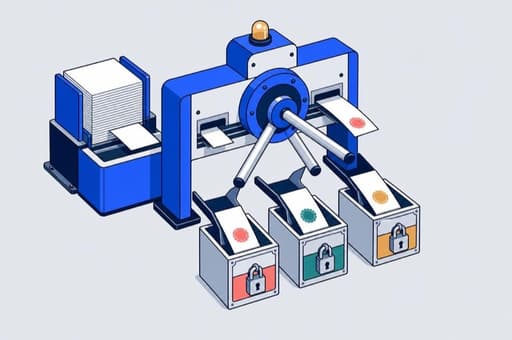
Transaction Processing
Software for the large central computers that run essential transactions remains a major cash engine. An 8.1% drop in Q2 FY2026 showed how a few delayed agreements can move sales between periods.
Competes with AMI for IBM Z (BMC) · Mainframe Software including Endevor and SYSVIEW (Broadcom)
In plain English
Every card payment, insurance update or government record change needs software that completes the job correctly and keeps a trace. IBM sells CICS, IMS and Db2 for z/OS for this work on IBM Z, its line of large central computers.
Banks, insurers, retailers and governments pay for the right to use that software and for continuing help. The bill often grows with the computing capacity they run, so more IBM Z capacity can pull more software revenue behind it. The catch is timing: a handful of large agreements closing late can make one quarter look abruptly weak.
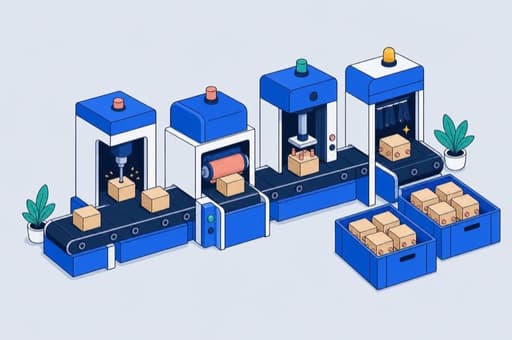
Automation
A collection of tools for setting up systems, watching performance and controlling computing costs. Growth cooled sharply to 3.6% in Q2 FY2026, making acquired products' integration and customer renewals the watchpoints.
Competes with IT Operations Management (ServiceNow) · Dynatrace platform (Dynatrace)
In plain English
A large company may have thousands of computing jobs spread across its own machines and rented services. IBM's Automation products act like a control panel: Terraform sets systems up, Vault guards access, Apptio tracks spending, and Instana watches whether applications are working.
Technology teams pay subscriptions and support fees because doing those chores by hand is slow and error-prone. IBM has assembled much of the range through acquisitions, including HashiCorp. It now has to make the tools work together and persuade customers to renew or add more products while rival suites and built-in cloud tools compete for the same budget.
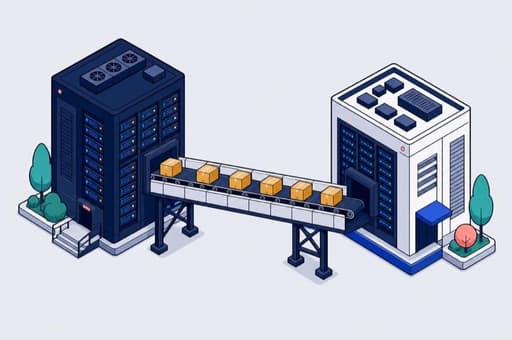
Hybrid Cloud
Red Hat software that lets applications move across company-owned and rented computers. Growth was 11.2% in Q2 FY2026; keeping subscriptions and winning customers away from rival software that imitates separate computers matter next.
Competes with SUSE Linux Enterprise and Rancher (SUSE) · VMware Cloud Foundation and Tanzu (Broadcom)
In plain English
Think of this as a common floor that lets a company's applications stand in different buildings without being rebuilt each time. Red Hat Enterprise Linux is the basic operating software, OpenShift organizes applications, and Ansible automates repeated setup work across private machines and rented computing services.
Customers pay subscriptions for updates, security fixes and support. They keep paying because changing that foundation can disturb many applications at once. OpenShift's yearly subscription revenue pace reached $2.2B in Q2 FY2026, including $680M tied to virtual computers, which use software to divide one machine into several. Renewals and continued moves must carry the growth.
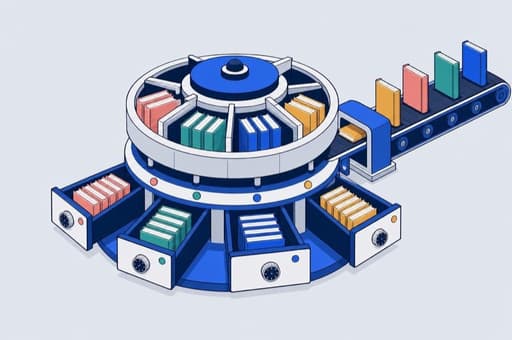
Data
Software for storing, moving, protecting and using company data. Growth reached 18.9% in Q2 FY2026, but the newly acquired Confluent business supplied most of the lift and masks the older products' pace.
Competes with Data Intelligence Platform (Databricks) · AI Data Cloud (Snowflake)
In plain English
Before artificial intelligence can answer a useful question, a company has to find its information, move fresh records where they are needed and control who may see them. IBM's Data line packages those jobs through products including watsonx, Db2, Guardium, Granite and Confluent.
Data and security teams buy subscriptions, licenses and support. Confluent moves information as it is created, while the other products store it, protect it or help computer models use it. Customers keep paying when those tools become part of daily operations. The immediate test is whether IBM can combine Confluent cleanly and grow the older range too.
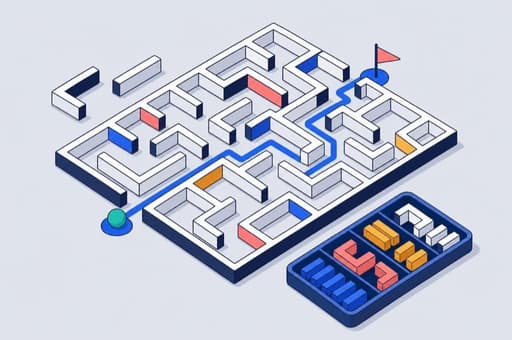
Strategy and Technology
Advisers and engineers redesign technology and put new systems into use. Growth was just 0.5% in Q2 FY2026, so customer willingness to approve optional projects is the immediate swing factor.
Competes with Strategy & Consulting (Accenture) · Technology & Transformation (Deloitte)
In plain English
This is the people-heavy side of IBM: teams sit with a large organization, decide which technology should change, and then help rebuild it. The jobs range from moving old applications to rented computing services to organizing data and improving digital security.
Clients pay project fees as IBM's people deliver the work. They choose IBM for skilled teams, reusable methods and access to its software and partners; IBM also benefits when a project leads to more product sales. The model depends on customers approving change budgets and IBM keeping the right specialists busy, which is why postponed projects quickly slow revenue.
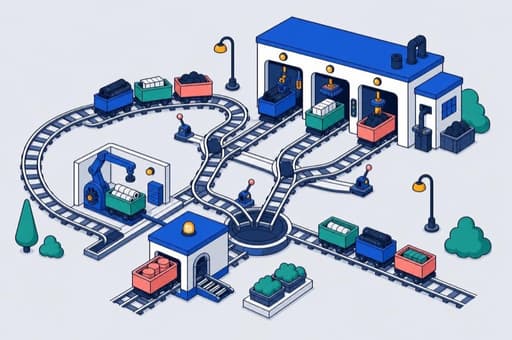
Intelligent Operations
IBM runs customers' applications, shared computing systems and business processes under longer contracts. Revenue was flat in Q2 FY2026; the watchpoint is whether newer work helped by artificial intelligence grows faster than older manual work shrinks.
Competes with SynOps and Accenture Operations (Accenture) · Cora (Genpact)
In plain English
The work begins after a new system is installed. Instead of hiring its own round-the-clock crew, a company can pay IBM to keep applications running, manage computing services and carry out repeated office processes.
Money arrives as IBM performs the service over a contract's life. Longer agreements make revenue steadier, and automation can let the same delivery team handle more work. Customers renew when IBM keeps operations reliable and improves them without disruption. The economics hang on service quality, staff costs and whether software can remove enough routine labor; older manual work can shrink even as newer AI-assisted work grows.
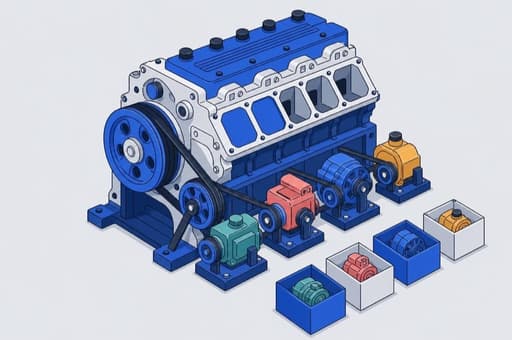
Hybrid Infrastructure
IBM's Z and LinuxONE central computers, Power servers and Storage systems. Revenue fell 10.3% in Q2 FY2026 as Z dropped after an upgrade surge, while other systems grew but faced parts shortages.
Competes with ClearPath Forward Dorado (Unisys) · PowerMax (Dell Technologies)
In plain English
Picture the heavy machinery behind a bank or government service. IBM Z and LinuxONE are large central computers built for huge volumes of important transactions; Power machines run other demanding jobs, while Storage keeps the information close at hand.
Customers buy the equipment and its operating software upfront, usually when they need more capacity or replace an older generation. Each machine then creates years of demand for IBM software and support. That makes launches powerful but uneven: a new Z cycle can lift sales sharply, then comparisons turn hard, while scarce processors, memory and storage parts can delay shipments.
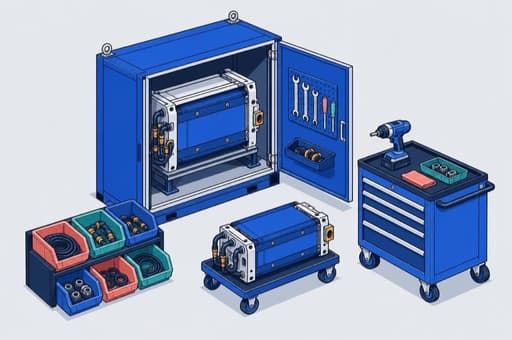
Infrastructure Support
Maintenance, repairs and replacement planning across IBM and selected outside equipment. Revenue slipped 0.8% in Q2 FY2026; its job is steady upkeep income while customers keep the machines in service.
Competes with HPE Tech Care (HPE) · ProSupport Infrastructure (Dell Technologies)
In plain English
The unglamorous promise is simple: when an important computer breaks, someone must restore it quickly. IBM sells maintenance, Expert Care and Technology Lifecycle Services for its own machines and selected equipment from other vendors.
Operators pay recurring fees for availability, replacement parts, repairs and advice on when to update systems. Like a service plan on industrial equipment, the relationship can last long after the original purchase and produce dependable cash. It weakens when customers retire IBM machines, move the work elsewhere or choose an independent repair provider, so keeping the installed fleet matters as much as selling new hardware.

IBM Quantum
A research platform pursuing a new kind of computer has no disclosed standalone revenue. IBM committed more than $10B over five years and targets a Starling system for 2029; reliable correction of errors remains the decisive hurdle.
Competes with Google Quantum AI (Alphabet) · Helios (Quantinuum)
In plain English
Ordinary computers reduce every task to switches that are off or on. IBM Quantum is building machines whose tiny physical parts can hold a more complicated state, which may eventually solve certain problems differently. Today's systems are mainly for research and experiments.
IBM offers the chips at the heart of these machines, Qiskit software and remote access, but does not say how much money the business makes. For now the company is the main payer: it has committed more than $10B over five years to better machines, software and manufacturing. Material repeat business depends on controlling errors well enough to show customers a useful advantage over ordinary computers.


 Transaction ProcessingSoftware for the large central computers that run essential transactions remains a major cash engine. An 8.1% drop in Q2 FY2026 showed how a few delayed agreements can move sales between periods.
Software for the large central computers that run essential transactions remains a major cash engine. An 8.1% drop in Q2 FY2026 showed how a few delayed agreements can move sales between periods.
In plain English
Every card payment, insurance update or government record change needs software that completes the job correctly and keeps a trace. IBM sells CICS, IMS and Db2 for z/OS for this work on IBM Z, its line of large central computers.
Banks, insurers, retailers and governments pay for the right to use that software and for continuing help. The bill often grows with the computing capacity they run, so more IBM Z capacity can pull more software revenue behind it. The catch is timing: a handful of large agreements closing late can make one quarter look abruptly weak.
Competes with AMI for IBM Z (BMC) · Mainframe Software including Endevor and SYSVIEW (Broadcom)
 AutomationA collection of tools for setting up systems, watching performance and controlling computing costs. Growth cooled sharply to 3.6% in Q2 FY2026, making acquired products' integration and customer renewals the watchpoints.
A collection of tools for setting up systems, watching performance and controlling computing costs. Growth cooled sharply to 3.6% in Q2 FY2026, making acquired products' integration and customer renewals the watchpoints.
In plain English
A large company may have thousands of computing jobs spread across its own machines and rented services. IBM's Automation products act like a control panel: Terraform sets systems up, Vault guards access, Apptio tracks spending, and Instana watches whether applications are working.
Technology teams pay subscriptions and support fees because doing those chores by hand is slow and error-prone. IBM has assembled much of the range through acquisitions, including HashiCorp. It now has to make the tools work together and persuade customers to renew or add more products while rival suites and built-in cloud tools compete for the same budget.
Competes with IT Operations Management (ServiceNow) · Dynatrace platform (Dynatrace)
 Hybrid CloudRed Hat software that lets applications move across company-owned and rented computers. Growth was 11.2% in Q2 FY2026; keeping subscriptions and winning customers away from rival software that imitates separate computers matter next.
Red Hat software that lets applications move across company-owned and rented computers. Growth was 11.2% in Q2 FY2026; keeping subscriptions and winning customers away from rival software that imitates separate computers matter next.
In plain English
Think of this as a common floor that lets a company's applications stand in different buildings without being rebuilt each time. Red Hat Enterprise Linux is the basic operating software, OpenShift organizes applications, and Ansible automates repeated setup work across private machines and rented computing services.
Customers pay subscriptions for updates, security fixes and support. They keep paying because changing that foundation can disturb many applications at once. OpenShift's yearly subscription revenue pace reached $2.2B in Q2 FY2026, including $680M tied to virtual computers, which use software to divide one machine into several. Renewals and continued moves must carry the growth.
Competes with SUSE Linux Enterprise and Rancher (SUSE) · VMware Cloud Foundation and Tanzu (Broadcom)
 DataSoftware for storing, moving, protecting and using company data. Growth reached 18.9% in Q2 FY2026, but the newly acquired Confluent business supplied most of the lift and masks the older products' pace.
Software for storing, moving, protecting and using company data. Growth reached 18.9% in Q2 FY2026, but the newly acquired Confluent business supplied most of the lift and masks the older products' pace.
In plain English
Before artificial intelligence can answer a useful question, a company has to find its information, move fresh records where they are needed and control who may see them. IBM's Data line packages those jobs through products including watsonx, Db2, Guardium, Granite and Confluent.
Data and security teams buy subscriptions, licenses and support. Confluent moves information as it is created, while the other products store it, protect it or help computer models use it. Customers keep paying when those tools become part of daily operations. The immediate test is whether IBM can combine Confluent cleanly and grow the older range too.
Competes with Data Intelligence Platform (Databricks) · AI Data Cloud (Snowflake)
 Strategy and TechnologyAdvisers and engineers redesign technology and put new systems into use. Growth was just 0.5% in Q2 FY2026, so customer willingness to approve optional projects is the immediate swing factor.
Advisers and engineers redesign technology and put new systems into use. Growth was just 0.5% in Q2 FY2026, so customer willingness to approve optional projects is the immediate swing factor.
In plain English
This is the people-heavy side of IBM: teams sit with a large organization, decide which technology should change, and then help rebuild it. The jobs range from moving old applications to rented computing services to organizing data and improving digital security.
Clients pay project fees as IBM's people deliver the work. They choose IBM for skilled teams, reusable methods and access to its software and partners; IBM also benefits when a project leads to more product sales. The model depends on customers approving change budgets and IBM keeping the right specialists busy, which is why postponed projects quickly slow revenue.
Competes with Strategy & Consulting (Accenture) · Technology & Transformation (Deloitte)
 Intelligent OperationsIBM runs customers' applications, shared computing systems and business processes under longer contracts. Revenue was flat in Q2 FY2026; the watchpoint is whether newer work helped by artificial intelligence grows faster than older manual work shrinks.
IBM runs customers' applications, shared computing systems and business processes under longer contracts. Revenue was flat in Q2 FY2026; the watchpoint is whether newer work helped by artificial intelligence grows faster than older manual work shrinks.
In plain English
The work begins after a new system is installed. Instead of hiring its own round-the-clock crew, a company can pay IBM to keep applications running, manage computing services and carry out repeated office processes.
Money arrives as IBM performs the service over a contract's life. Longer agreements make revenue steadier, and automation can let the same delivery team handle more work. Customers renew when IBM keeps operations reliable and improves them without disruption. The economics hang on service quality, staff costs and whether software can remove enough routine labor; older manual work can shrink even as newer AI-assisted work grows.
Competes with SynOps and Accenture Operations (Accenture) · Cora (Genpact)
 Hybrid InfrastructureIBM's Z and LinuxONE central computers, Power servers and Storage systems. Revenue fell 10.3% in Q2 FY2026 as Z dropped after an upgrade surge, while other systems grew but faced parts shortages.
IBM's Z and LinuxONE central computers, Power servers and Storage systems. Revenue fell 10.3% in Q2 FY2026 as Z dropped after an upgrade surge, while other systems grew but faced parts shortages.
In plain English
Picture the heavy machinery behind a bank or government service. IBM Z and LinuxONE are large central computers built for huge volumes of important transactions; Power machines run other demanding jobs, while Storage keeps the information close at hand.
Customers buy the equipment and its operating software upfront, usually when they need more capacity or replace an older generation. Each machine then creates years of demand for IBM software and support. That makes launches powerful but uneven: a new Z cycle can lift sales sharply, then comparisons turn hard, while scarce processors, memory and storage parts can delay shipments.
Competes with ClearPath Forward Dorado (Unisys) · PowerMax (Dell Technologies)
 Infrastructure SupportMaintenance, repairs and replacement planning across IBM and selected outside equipment. Revenue slipped 0.8% in Q2 FY2026; its job is steady upkeep income while customers keep the machines in service.
Maintenance, repairs and replacement planning across IBM and selected outside equipment. Revenue slipped 0.8% in Q2 FY2026; its job is steady upkeep income while customers keep the machines in service.
In plain English
The unglamorous promise is simple: when an important computer breaks, someone must restore it quickly. IBM sells maintenance, Expert Care and Technology Lifecycle Services for its own machines and selected equipment from other vendors.
Operators pay recurring fees for availability, replacement parts, repairs and advice on when to update systems. Like a service plan on industrial equipment, the relationship can last long after the original purchase and produce dependable cash. It weakens when customers retire IBM machines, move the work elsewhere or choose an independent repair provider, so keeping the installed fleet matters as much as selling new hardware.
Competes with HPE Tech Care (HPE) · ProSupport Infrastructure (Dell Technologies)
 IBM QuantumA research platform pursuing a new kind of computer has no disclosed standalone revenue. IBM committed more than $10B over five years and targets a Starling system for 2029; reliable correction of errors remains the decisive hurdle.
A research platform pursuing a new kind of computer has no disclosed standalone revenue. IBM committed more than $10B over five years and targets a Starling system for 2029; reliable correction of errors remains the decisive hurdle.
In plain English
Ordinary computers reduce every task to switches that are off or on. IBM Quantum is building machines whose tiny physical parts can hold a more complicated state, which may eventually solve certain problems differently. Today's systems are mainly for research and experiments.
IBM offers the chips at the heart of these machines, Qiskit software and remote access, but does not say how much money the business makes. For now the company is the main payer: it has committed more than $10B over five years to better machines, software and manufacturing. Material repeat business depends on controlling errors well enough to show customers a useful advantage over ordinary computers.
Competes with Google Quantum AI (Alphabet) · Helios (Quantinuum)
Named in filings, launches and programs
- IBM FinancingSegmentCustomer loans and leases enabled equipment purchases and supplied 1.1% of FY2025 revenue; four-fifths of the portfolio carried relatively safe credit ratings.
- Customer contract baseEcosystemIBM entered FY2026 with $71B of revenue customers had promised, almost all due within five years; some short, pay-as-used, government and time-limited software deals sat outside it.
- Project LightwellCustomer program · RampingA $5B IBM and Red Hat security commitment, priced at $1M a year in July, with eleven named financial-services early adopters.
- Together AI infrastructure agreementCustomer program · AnnouncedA multi-year $240M commitment for an IBM Cloud computing cluster expected to become available in early 2027.
- BNP Paribas IBM Cloud renewalCustomer programA ten-year cloud renewal that includes a dedicated area planned for 2028; IBM did not disclose the contract value.
- IBM–OpenAI enterprise partnershipEcosystemCombines OpenAI models with IBM software and consultants for corporate customers; no contract value was disclosed.
- Generative AI book of businessEcosystemCumulative contracts exceeded $12.5B by January 2026, historically about four-fifths consulting; IBM then retired the standalone measure.
IBM FinancingSegment
Customer loans and leases enabled equipment purchases and supplied 1.1% of FY2025 revenue; four-fifths of the portfolio carried relatively safe credit ratings.
Customer contract baseEcosystem
IBM entered FY2026 with $71B of revenue customers had promised, almost all due within five years; some short, pay-as-used, government and time-limited software deals sat outside it.
Project LightwellCustomer program · Ramping
A $5B IBM and Red Hat security commitment, priced at $1M a year in July, with eleven named financial-services early adopters.
Together AI infrastructure agreementCustomer program · Announced
A multi-year $240M commitment for an IBM Cloud computing cluster expected to become available in early 2027.
BNP Paribas IBM Cloud renewalCustomer program
A ten-year cloud renewal that includes a dedicated area planned for 2028; IBM did not disclose the contract value.
IBM–OpenAI enterprise partnershipEcosystem
Combines OpenAI models with IBM software and consultants for corporate customers; no contract value was disclosed.
Generative AI book of businessEcosystem
Cumulative contracts exceeded $12.5B by January 2026, historically about four-fifths consulting; IBM then retired the standalone measure.