
Illumina (ILMN)
Supplies sequencing and array instruments, recurring consumables, informatics, and multiomics workflows.
Something off on this page? Send us feedback.
Illumina makes the machines that read DNA, then sells the single-use kits those machines burn through every day — and the kits are where most of the money is. Hospital and cancer-testing labs are the customers still growing; research labs are pulling back. The company is trying to sell more chemistry per sample, and to start selling biological data itself.
Item facts: FY2025 · year ended December 28, 2025, from filings, earnings calls and company pages.
Judgment weights, not filed revenue
The band summarizes business focus and direction. ~ marks estimates.
7 in detail · 13 more below
Sequencing consumables
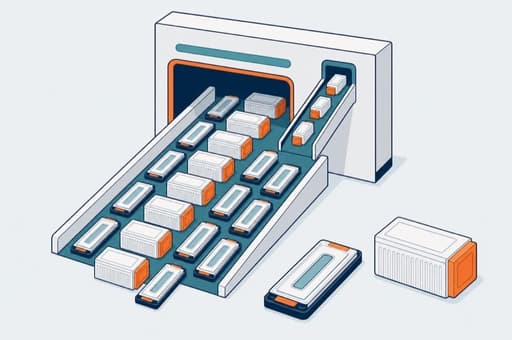
The refill business — roughly $2.9B in FY2025, two-thirds of the company. Clinical labs are about two-thirds of it and guided to mid-teens growth in 2026 outside China, while research-lab orders keep shrinking.
Competes with AVITI sequencing reagents (Element Biosciences) · DNBSEQ reagents (MGI) · AXELIOS 1 reagents (Roche)
In plain English
A sequencing machine cannot read anything on its own. Each run needs a small glass slide with tiny channels where the DNA sits, a cartridge of chemicals, and a kit that gets the sample ready first — all used once and thrown away. Sell the machine once, sell the refills forever, like a coffee maker that only takes its own pods.
Who buys? Increasingly the big central labs running cancer, rare-disease and pregnancy-related tests all day. Illumina's own annual filing says revenue increasingly comes from a small number of those labs, and does not name them. Research labs, squeezed on funding, are ordering less.
TruPath Genome
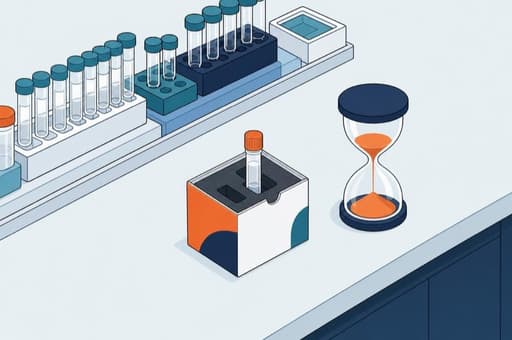
Reading a person's whole genome with far less hands-on work — roughly ten minutes of it. Launched February 2026; the money lands inside the refill kits, and the target is work now done on long-read machines.
Competes with Revio long-read sequencing (PacBio) · PromethION long-read sequencing (Oxford Nanopore)
In plain English
Getting a sample ready used to eat a technician's morning — fiddly bench work before the machine even starts. This kit cuts that down to about ten minutes: load the sample, get a whole genome back, plus a read on how its long stretches are arranged.
There is no separate price tag for an outsider to see. It sells as one more kit, so a sample run this way pulls more chemistry revenue than an ordinary run of the same machine. That is the whole idea — grow the refill business without having to place another machine.
StrataMap Spatial and Single Cell kits
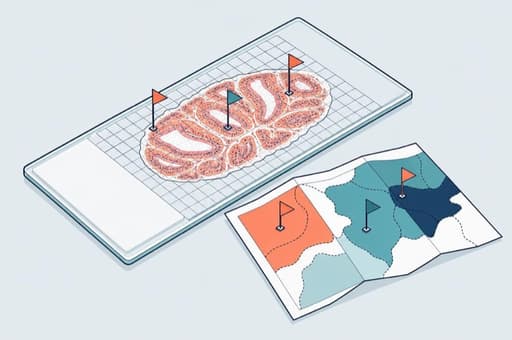
Kits that show which genes are switched on and where, across a slice of tissue at one-micron detail, plus kits that read cells one at a time. 10x Genomics is the one to beat in both; Illumina's bet is that the field has room for more than one supplier.
Competes with Visium HD spatial (10x Genomics) · Xenium in-situ profiling (10x Genomics) · Chromium single-cell (10x Genomics)
In plain English
Picture a thin slice of tumour on a glass slide. Older methods tell you which genes are active in the sample taken as a whole; these kits tell you which are active in each tiny patch of it, so one corner of the slice can be compared with another. A companion set does the same job cell by cell.
Buyers are research labs, and they pay per experiment in kits — no new machine required, because it all runs on sequencers already standing in the room. The catch: research spending has been the weak spot in Illumina's demand, guided down for all of 2026.
Service contracts, software and data deals
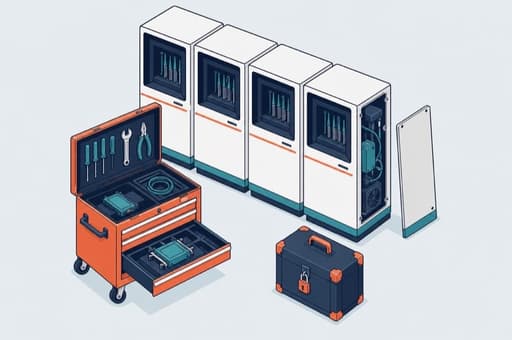
Keeping the machines in the field running, plus software and — newly — selling biological data to drug companies. About $600M in FY2025, and the quarterly path is jumpy: Q2 FY2026 came in at $154M, up 14%, on data deals.
Competes with Instrument service contracts on the Ion Torrent base (Thermo Fisher Scientific) · Standalone DNA-analysis software (Independent analysis-software vendors)
In plain English
Every machine out in a lab comes with a promise: if it stops working, someone comes and fixes it, and Illumina charges yearly for that promise. The unglamorous part that keeps paying whether or not anyone buys new hardware. Subscriptions for the software that crunches the results sit here too.
The new piece is selling data instead of equipment. Drug companies pay for access to biological datasets Illumina generates on its own machines. Those contracts get signed one at a time and land unevenly, which is why this line can grow three percent in one quarter and fourteen in another.
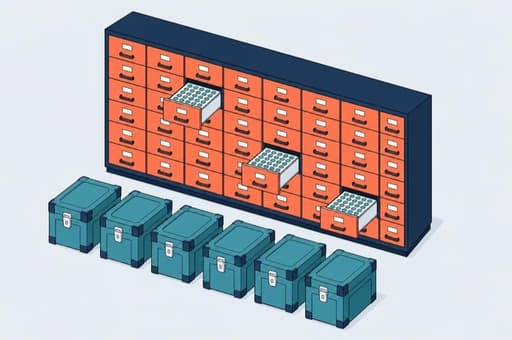
BioInsight and the Billion Cell Atlas
Illumina switching off genes in lab-grown cells one at a time and selling the results to drug makers. Six drug developers have joined, AstraZeneca, Merck and Eli Lilly among the first; revenue only began showing up in mid-2026.
Competes with Chromium and Flex gene-knockout screens (10x Genomics) · In-house perturbation atlases (AI-native drug developers)
In plain English
The pitch is simpler than the science. Take human cells grown in a dish, switch off a single gene, record what changes — then repeat until you have done it across more than a billion cells and a couple of hundred kinds of lab-grown cell. What you end up with is a catalogue of what each gene does when it breaks.
Drug companies would otherwise run those experiments themselves. Instead six of them, AstraZeneca and Eli Lilly included, pay for access to Illumina's version. The money has only just started arriving, and Illumina's own sequencers burn its own kits building the catalogue before any of it sells.
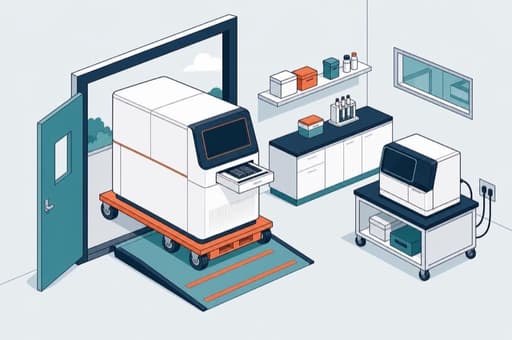
NovaSeq X Series and the benchtop machines
The machines themselves: roughly $460M in FY2025, and the leading indicator for everything else, since a new install starts ordering kits about six months later. Around 890 flagships were in the field at year-end; Roche launched a direct rival in June 2026.
Competes with AXELIOS 1 (Roche) · UG 100 / Solaris (Ultima Genomics) · DNBSEQ-T20 (MGI) · AVITI LT benchtop (Element Biosciences)
In plain English
These are the boxes that actually read DNA — a floor-standing flagship for labs processing thousands of samples, and smaller bench-top units for labs handling a handful. They earn thinner margins than the kits do; the payoff is what follows, because every machine placed is years of refill orders behind it.
So placements matter more than the sticker price. Clinical labs take over half of each quarter's machines, and by mid-2026 roughly four-fifths of clinical work had moved onto the newest flagship. What changed this year is the field: Roche now sells a machine aimed squarely at the same job.
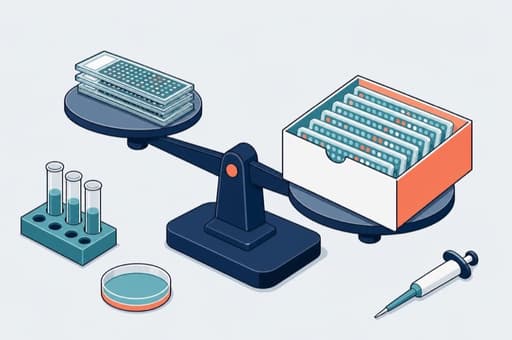
Infinium arrays and SomaScan protein tests
The older chip business — $358M in FY2025 and shrinking a little each year — now carrying Illumina's new protein-measuring business. The quarterly line rose to $105M in Q2 FY2026, but that was the acquisition, not the chips recovering.
Competes with Axiom Genotyping Arrays (Thermo Fisher Scientific) · Olink Explore protein panels (Thermo Fisher Scientific) · Simoa protein detection (Quanterix)
In plain English
Before reading a whole genome got cheap, the quick way to check DNA was a chip: a glass slide that tests a sample against a fixed list of known differences, read by a desktop scanner. Plant breeders, large population studies and consumer ancestry services still buy them — but chips lose a little ground each year as full sequencing gets cheaper, including sequencing on Illumina's own machines.
Bought in January 2026 for $350M, the SomaLogic business is reported on the same line. It measures proteins in a sample rather than genes, and reads them out on Illumina sequencers. Small, and growing where the chips are not.


 Sequencing consumablesThe refill business — roughly $2.9B in FY2025, two-thirds of the company. Clinical labs are about two-thirds of it and guided to mid-teens growth in 2026 outside China, while research-lab orders keep shrinking.
The refill business — roughly $2.9B in FY2025, two-thirds of the company. Clinical labs are about two-thirds of it and guided to mid-teens growth in 2026 outside China, while research-lab orders keep shrinking.
In plain English
A sequencing machine cannot read anything on its own. Each run needs a small glass slide with tiny channels where the DNA sits, a cartridge of chemicals, and a kit that gets the sample ready first — all used once and thrown away. Sell the machine once, sell the refills forever, like a coffee maker that only takes its own pods.
Who buys? Increasingly the big central labs running cancer, rare-disease and pregnancy-related tests all day. Illumina's own annual filing says revenue increasingly comes from a small number of those labs, and does not name them. Research labs, squeezed on funding, are ordering less.
Competes with AVITI sequencing reagents (Element Biosciences) · DNBSEQ reagents (MGI) · AXELIOS 1 reagents (Roche)
 TruPath GenomeReading a person's whole genome with far less hands-on work — roughly ten minutes of it. Launched February 2026; the money lands inside the refill kits, and the target is work now done on long-read machines.
Reading a person's whole genome with far less hands-on work — roughly ten minutes of it. Launched February 2026; the money lands inside the refill kits, and the target is work now done on long-read machines.
In plain English
Getting a sample ready used to eat a technician's morning — fiddly bench work before the machine even starts. This kit cuts that down to about ten minutes: load the sample, get a whole genome back, plus a read on how its long stretches are arranged.
There is no separate price tag for an outsider to see. It sells as one more kit, so a sample run this way pulls more chemistry revenue than an ordinary run of the same machine. That is the whole idea — grow the refill business without having to place another machine.
Competes with Revio long-read sequencing (PacBio) · PromethION long-read sequencing (Oxford Nanopore)
 StrataMap Spatial and Single Cell kitsKits that show which genes are switched on and where, across a slice of tissue at one-micron detail, plus kits that read cells one at a time. 10x Genomics is the one to beat in both; Illumina's bet is that the field has room for more than one supplier.
Kits that show which genes are switched on and where, across a slice of tissue at one-micron detail, plus kits that read cells one at a time. 10x Genomics is the one to beat in both; Illumina's bet is that the field has room for more than one supplier.
In plain English
Picture a thin slice of tumour on a glass slide. Older methods tell you which genes are active in the sample taken as a whole; these kits tell you which are active in each tiny patch of it, so one corner of the slice can be compared with another. A companion set does the same job cell by cell.
Buyers are research labs, and they pay per experiment in kits — no new machine required, because it all runs on sequencers already standing in the room. The catch: research spending has been the weak spot in Illumina's demand, guided down for all of 2026.
Competes with Visium HD spatial (10x Genomics) · Xenium in-situ profiling (10x Genomics) · Chromium single-cell (10x Genomics)
 Service contracts, software and data dealsKeeping the machines in the field running, plus software and — newly — selling biological data to drug companies. About $600M in FY2025, and the quarterly path is jumpy: Q2 FY2026 came in at $154M, up 14%, on data deals.
Keeping the machines in the field running, plus software and — newly — selling biological data to drug companies. About $600M in FY2025, and the quarterly path is jumpy: Q2 FY2026 came in at $154M, up 14%, on data deals.
In plain English
Every machine out in a lab comes with a promise: if it stops working, someone comes and fixes it, and Illumina charges yearly for that promise. The unglamorous part that keeps paying whether or not anyone buys new hardware. Subscriptions for the software that crunches the results sit here too.
The new piece is selling data instead of equipment. Drug companies pay for access to biological datasets Illumina generates on its own machines. Those contracts get signed one at a time and land unevenly, which is why this line can grow three percent in one quarter and fourteen in another.
Competes with Instrument service contracts on the Ion Torrent base (Thermo Fisher Scientific) · Standalone DNA-analysis software (Independent analysis-software vendors)
 BioInsight and the Billion Cell AtlasIllumina switching off genes in lab-grown cells one at a time and selling the results to drug makers. Six drug developers have joined, AstraZeneca, Merck and Eli Lilly among the first; revenue only began showing up in mid-2026.
Illumina switching off genes in lab-grown cells one at a time and selling the results to drug makers. Six drug developers have joined, AstraZeneca, Merck and Eli Lilly among the first; revenue only began showing up in mid-2026.
In plain English
The pitch is simpler than the science. Take human cells grown in a dish, switch off a single gene, record what changes — then repeat until you have done it across more than a billion cells and a couple of hundred kinds of lab-grown cell. What you end up with is a catalogue of what each gene does when it breaks.
Drug companies would otherwise run those experiments themselves. Instead six of them, AstraZeneca and Eli Lilly included, pay for access to Illumina's version. The money has only just started arriving, and Illumina's own sequencers burn its own kits building the catalogue before any of it sells.
Competes with Chromium and Flex gene-knockout screens (10x Genomics) · In-house perturbation atlases (AI-native drug developers)
 NovaSeq X Series and the benchtop machinesThe machines themselves: roughly $460M in FY2025, and the leading indicator for everything else, since a new install starts ordering kits about six months later. Around 890 flagships were in the field at year-end; Roche launched a direct rival in June 2026.
The machines themselves: roughly $460M in FY2025, and the leading indicator for everything else, since a new install starts ordering kits about six months later. Around 890 flagships were in the field at year-end; Roche launched a direct rival in June 2026.
In plain English
These are the boxes that actually read DNA — a floor-standing flagship for labs processing thousands of samples, and smaller bench-top units for labs handling a handful. They earn thinner margins than the kits do; the payoff is what follows, because every machine placed is years of refill orders behind it.
So placements matter more than the sticker price. Clinical labs take over half of each quarter's machines, and by mid-2026 roughly four-fifths of clinical work had moved onto the newest flagship. What changed this year is the field: Roche now sells a machine aimed squarely at the same job.
Competes with AXELIOS 1 (Roche) · UG 100 / Solaris (Ultima Genomics) · DNBSEQ-T20 (MGI) · AVITI LT benchtop (Element Biosciences)
 Infinium arrays and SomaScan protein testsThe older chip business — $358M in FY2025 and shrinking a little each year — now carrying Illumina's new protein-measuring business. The quarterly line rose to $105M in Q2 FY2026, but that was the acquisition, not the chips recovering.
The older chip business — $358M in FY2025 and shrinking a little each year — now carrying Illumina's new protein-measuring business. The quarterly line rose to $105M in Q2 FY2026, but that was the acquisition, not the chips recovering.
In plain English
Before reading a whole genome got cheap, the quick way to check DNA was a chip: a glass slide that tests a sample against a fixed list of known differences, read by a desktop scanner. Plant breeders, large population studies and consumer ancestry services still buy them — but chips lose a little ground each year as full sequencing gets cheaper, including sequencing on Illumina's own machines.
Bought in January 2026 for $350M, the SomaLogic business is reported on the same line. It measures proteins in a sample rather than genes, and reads them out on Illumina sequencers. Small, and growing where the chips are not.
Competes with Axiom Genotyping Arrays (Thermo Fisher Scientific) · Olink Explore protein panels (Thermo Fisher Scientific) · Simoa protein detection (Quanterix)
Named in filings, launches and programs
- DRAGEN / Illumina Connected SoftwarePlatformThe analysis layer sold alongside the machines — turns raw output into findings, with cloud storage and tools for designing tests beside it.
- Illumina Connected Insights / EmedgenePlatformSoftware for the step after the run: sorting which DNA differences matter and writing them up for the lab.
- Illumina Connected MultiomicsPlatform · RampingOne suite meant to pull gene, protein and tissue-location results into a single place — the glue for the newer kits.
- TruSight Oncology / TruSight panelsProduct lineTargeted kits that read a chosen set of cancer-related or inherited-disease genes rather than a whole genome.
- Illumina DNA PrepProductThe general-purpose kit for getting a DNA sample ready to be read, whatever the lab is looking for.
- AmpliSeq for IlluminaProduct lineKits that copy only the stretches of DNA a lab wants to look at, then read those stretches.
- Pillar oncoReveal panelsProduct lineSomeone else's cancer test kits, sold into Illumina's ecosystem — they still run on Illumina machines and Illumina chemicals.
- Fluent BioSciencesBrandAcquired for a way to study single cells without a dedicated machine; now supplies the single-cell and gene-knockout kits.
- MiSeq i100 SeriesProductThe small bench-top machine launched around the end of 2024; more than 1,000 were placed during 2025.
- 5-base solutionProduct · RampingLaunched at a 2025 genetics conference: reads DNA differences and the chemical tags that switch genes on or off in one run.
- Constellation MAP ReadsProduct · AnnouncedIn early access since 2025 with a 2026 launch targeted; no launch announcement has surfaced and management has stopped mentioning it.
- iScanProductThe desktop scanner that reads Infinium chips, sold with Illumina's own software for making sense of the output.
- PacBio short-read patentsProduct · Pre-revenueClustering, chemical and detection patents bought from PacBio for $48.1M in January 2026; no revenue line of its own.
DRAGEN / Illumina Connected SoftwarePlatform
The analysis layer sold alongside the machines — turns raw output into findings, with cloud storage and tools for designing tests beside it.
Illumina Connected Insights / EmedgenePlatform
Software for the step after the run: sorting which DNA differences matter and writing them up for the lab.
Illumina Connected MultiomicsPlatform · Ramping
One suite meant to pull gene, protein and tissue-location results into a single place — the glue for the newer kits.
TruSight Oncology / TruSight panelsProduct line
Targeted kits that read a chosen set of cancer-related or inherited-disease genes rather than a whole genome.
Illumina DNA PrepProduct
The general-purpose kit for getting a DNA sample ready to be read, whatever the lab is looking for.
AmpliSeq for IlluminaProduct line
Kits that copy only the stretches of DNA a lab wants to look at, then read those stretches.
Pillar oncoReveal panelsProduct line
Someone else's cancer test kits, sold into Illumina's ecosystem — they still run on Illumina machines and Illumina chemicals.
Fluent BioSciencesBrand
Acquired for a way to study single cells without a dedicated machine; now supplies the single-cell and gene-knockout kits.
MiSeq i100 SeriesProduct
The small bench-top machine launched around the end of 2024; more than 1,000 were placed during 2025.
5-base solutionProduct · Ramping
Launched at a 2025 genetics conference: reads DNA differences and the chemical tags that switch genes on or off in one run.
Constellation MAP ReadsProduct · Announced
In early access since 2025 with a 2026 launch targeted; no launch announcement has surfaced and management has stopped mentioning it.
iScanProduct
The desktop scanner that reads Infinium chips, sold with Illumina's own software for making sense of the output.
PacBio short-read patentsProduct · Pre-revenue
Clustering, chemical and detection patents bought from PacBio for $48.1M in January 2026; no revenue line of its own.