
Lam Research (LRCX)
Makes deposition, etch, clean, and dry-resist tools for semiconductor fabs.
Something off on this page? Send us feedback.
Lam Research builds the machines that carve, coat and clean the thin silicon discs from which computer chips are made. Etching is the largest engine, while a substantial support business turns every installed machine into repeat demand for parts, upgrades and care. The company is leaning into more intricate memory and chip-packaging work, but its fortunes remain tied to a small group of giant chipmakers and rules governing where advanced equipment may be shipped.
Item facts: FY2026 · year ended Jun 28, 2026, from filings, earnings calls and company pages.
Judgment weights, not filed revenue
The band summarizes business focus and direction. ~ marks estimates.
6 in detail · 14 more below
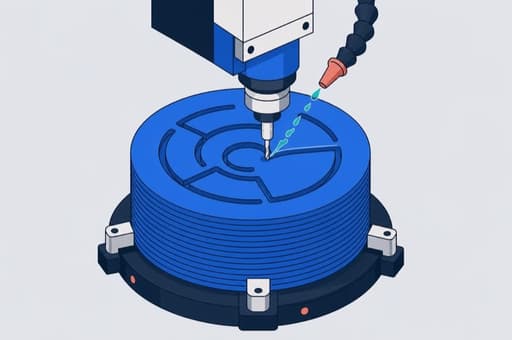
Etch
Lam's biggest machine family carves the tiny channels and spaces that make modern chips work. The number of Akara machines in customer factories had doubled each year through July 2026; continued adoption is the key test.
Competes with Centris Sym3 Z Magnum (Applied Materials) · Tactras (Tokyo Electron)
In plain English
A computer chip begins as a thin silicon disc. Lam's etch machines use carefully controlled gas and electrical energy to remove selected material, carving microscopic paths through layer after layer. More elaborate chips require more carving steps, so complexity can matter as much as the number of discs factories process.
Chipmakers pay for each large machine and qualify it for a specific factory job, making a proven tool difficult to replace. Lam names Micron, Samsung, SK hynix and TSMC as significant buyers; four customers together supplied 55% of sales, without Lam matching names to individual shares.
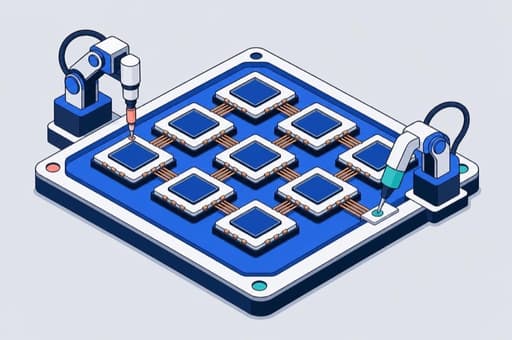
Advanced Packaging
These tools carve, coat and clean the connections that join separate chips into one package. Management said sales in calendar 2026 were growing more than 70% from a smaller base; production take-up must follow development work.
Competes with Kinex hybrid bonding system (Applied Materials / Besi) · Synapse / Ulucus (Tokyo Electron)
In plain English
Once separate chips are made, they need short, fast connections to work together. Lam supplies machines that drill tiny vertical paths, fill them with metal, add insulating layers and wash away residue—jobs used to stack memory or place several chips side by side.
Contract chip factories and memory makers buy those machines as their package designs move from experiments into volume production. Lam has already shipped large square-panel systems to development programs, but the buyers are unnamed. Packaging money arrives through the carving, coating and cleaning machines used for these jobs, rather than through a separate checkout line.
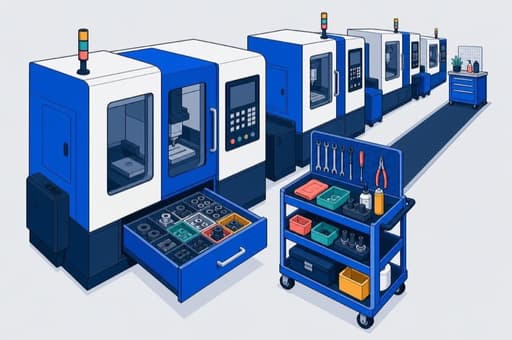
Customer Support Business Group
Sales from parts, repairs, upgrades and factory-help services grew 20.2% in FY2026. Watch how heavily customers run their factories: quieter machines need fewer parts and less attention.
Competes with Applied Global Services (Applied Materials) · Engineering Services / TELeMetrics (Tokyo Electron)
In plain English
The unglamorous part that keeps the installed fleet earning. Each Lam machine contains sealed work areas called chambers; across customers, the fleet has roughly one hundred thousand of them. Lam sells replacement parts, technician visits, performance software, upgrades and additional systems for older chip factories.
It works like maintaining a huge fleet of delivery trucks: the more vehicles on the road and the harder they run, the more maintenance they need. Customers keep paying because downtime is costly and upgrades can squeeze more output from scarce factory space. When factories slow, however, this repeat business slows too.
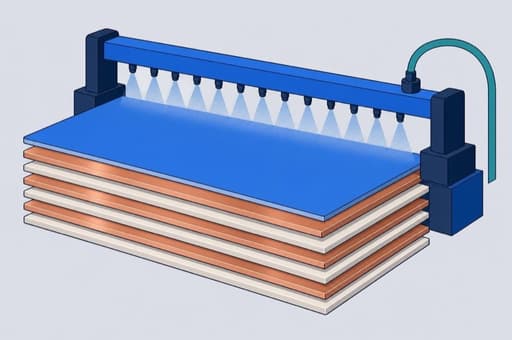
Deposition
These machines lay down the conducting and insulating films from which a chip's stacked structure is built. Demand rises as chipmakers add more layers and introduce new materials; successful factory testing decides who gets paid.
Competes with Producer CVD (Applied Materials) · Eagle XP8 PEALD (ASM International)
In plain English
No advanced chip is made from a single slab. It is built from many extremely thin layers, some carrying electricity and others keeping signals apart. Lam's deposition machines lay those films onto silicon discs evenly, including metals used for tiny connections and insulating material that fills narrow gaps.
Chipmakers buy a machine after proving that its coating is uniform enough for a particular step. Think of applying dozens of flawless coats of paint, except a speck or uneven edge can spoil the finished piece. Taller memory stacks and more complicated structures create additional coating jobs, while material supply and factory testing govern how quickly a tool wins them.
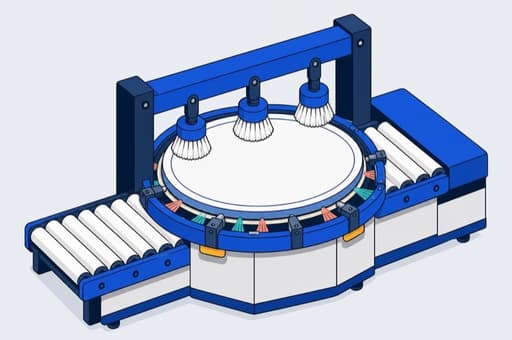
Strip & Clean
A smaller tool line removes leftover light-sensitive coating, particles and chemical residue between manufacturing steps. Each added layer creates another chance for contamination, but near-term demand still follows factory activity.
Competes with CELLESTA (Tokyo Electron) · SU-3400 (SCREEN Semiconductor Solutions)
In plain English
Dust that would be harmless on a kitchen table can ruin a microscopic circuit. Between chipmaking steps, Lam's machines use liquids or electrically charged gas to strip away used coating, loose particles and residue, then prepare the silicon disc for whatever comes next. Some clean the flat surface; Coronus works around the outer edge.
Factories pay for dedicated cleaners because defects destroy valuable work already completed on a disc. The business grows when three-dimensional chips require more repeated steps, since more steps mean more cleaning. Sales can still swing with the number of discs moving through factories and with each machine's speed and cleaning quality.
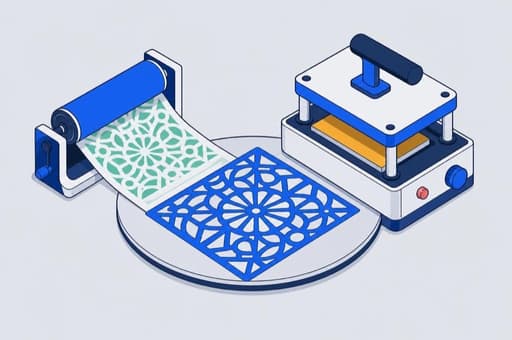
Aether
Aether applies and develops a dry, metal-based light-sensitive coating for printing extremely small chip patterns. Lam once targeted about $1.5 billion of cumulative five-year revenue, but today's base remains small and later mentions have been sparse.
Competes with CLEAN TRACK LITHIUS Pro DICE (Tokyo Electron) · Inpria metal-oxide resist (JSR / Inpria)
In plain English
Instead of spreading a wet light-sensitive coating, Aether puts down a dry metal-based film. A very short-wavelength light beam then prints a pattern into that film, and the machine develops it for later carving. The aim is to use less light and remove some manufacturing steps.
An unnamed memory maker chose Aether as its standard production machine for advanced memory, giving the platform an important first foothold. That customer and future adopters pay for systems as each tightly controlled factory job is approved. Adoption still depends on costly light-producing machines, lower processing cost and proof that the method avoids tiny flaws.


 EtchLam's biggest machine family carves the tiny channels and spaces that make modern chips work. The number of Akara machines in customer factories had doubled each year through July 2026; continued adoption is the key test.
Lam's biggest machine family carves the tiny channels and spaces that make modern chips work. The number of Akara machines in customer factories had doubled each year through July 2026; continued adoption is the key test.
In plain English
A computer chip begins as a thin silicon disc. Lam's etch machines use carefully controlled gas and electrical energy to remove selected material, carving microscopic paths through layer after layer. More elaborate chips require more carving steps, so complexity can matter as much as the number of discs factories process.
Chipmakers pay for each large machine and qualify it for a specific factory job, making a proven tool difficult to replace. Lam names Micron, Samsung, SK hynix and TSMC as significant buyers; four customers together supplied 55% of sales, without Lam matching names to individual shares.
Competes with Centris Sym3 Z Magnum (Applied Materials) · Tactras (Tokyo Electron)
 Advanced PackagingThese tools carve, coat and clean the connections that join separate chips into one package. Management said sales in calendar 2026 were growing more than 70% from a smaller base; production take-up must follow development work.
These tools carve, coat and clean the connections that join separate chips into one package. Management said sales in calendar 2026 were growing more than 70% from a smaller base; production take-up must follow development work.
In plain English
Once separate chips are made, they need short, fast connections to work together. Lam supplies machines that drill tiny vertical paths, fill them with metal, add insulating layers and wash away residue—jobs used to stack memory or place several chips side by side.
Contract chip factories and memory makers buy those machines as their package designs move from experiments into volume production. Lam has already shipped large square-panel systems to development programs, but the buyers are unnamed. Packaging money arrives through the carving, coating and cleaning machines used for these jobs, rather than through a separate checkout line.
Competes with Kinex hybrid bonding system (Applied Materials / Besi) · Synapse / Ulucus (Tokyo Electron)
 Customer Support Business GroupSales from parts, repairs, upgrades and factory-help services grew 20.2% in FY2026. Watch how heavily customers run their factories: quieter machines need fewer parts and less attention.
Sales from parts, repairs, upgrades and factory-help services grew 20.2% in FY2026. Watch how heavily customers run their factories: quieter machines need fewer parts and less attention.
In plain English
The unglamorous part that keeps the installed fleet earning. Each Lam machine contains sealed work areas called chambers; across customers, the fleet has roughly one hundred thousand of them. Lam sells replacement parts, technician visits, performance software, upgrades and additional systems for older chip factories.
It works like maintaining a huge fleet of delivery trucks: the more vehicles on the road and the harder they run, the more maintenance they need. Customers keep paying because downtime is costly and upgrades can squeeze more output from scarce factory space. When factories slow, however, this repeat business slows too.
Competes with Applied Global Services (Applied Materials) · Engineering Services / TELeMetrics (Tokyo Electron)
 DepositionThese machines lay down the conducting and insulating films from which a chip's stacked structure is built. Demand rises as chipmakers add more layers and introduce new materials; successful factory testing decides who gets paid.
These machines lay down the conducting and insulating films from which a chip's stacked structure is built. Demand rises as chipmakers add more layers and introduce new materials; successful factory testing decides who gets paid.
In plain English
No advanced chip is made from a single slab. It is built from many extremely thin layers, some carrying electricity and others keeping signals apart. Lam's deposition machines lay those films onto silicon discs evenly, including metals used for tiny connections and insulating material that fills narrow gaps.
Chipmakers buy a machine after proving that its coating is uniform enough for a particular step. Think of applying dozens of flawless coats of paint, except a speck or uneven edge can spoil the finished piece. Taller memory stacks and more complicated structures create additional coating jobs, while material supply and factory testing govern how quickly a tool wins them.
Competes with Producer CVD (Applied Materials) · Eagle XP8 PEALD (ASM International)
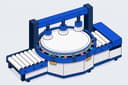 Strip & CleanA smaller tool line removes leftover light-sensitive coating, particles and chemical residue between manufacturing steps. Each added layer creates another chance for contamination, but near-term demand still follows factory activity.
A smaller tool line removes leftover light-sensitive coating, particles and chemical residue between manufacturing steps. Each added layer creates another chance for contamination, but near-term demand still follows factory activity.
In plain English
Dust that would be harmless on a kitchen table can ruin a microscopic circuit. Between chipmaking steps, Lam's machines use liquids or electrically charged gas to strip away used coating, loose particles and residue, then prepare the silicon disc for whatever comes next. Some clean the flat surface; Coronus works around the outer edge.
Factories pay for dedicated cleaners because defects destroy valuable work already completed on a disc. The business grows when three-dimensional chips require more repeated steps, since more steps mean more cleaning. Sales can still swing with the number of discs moving through factories and with each machine's speed and cleaning quality.
Competes with CELLESTA (Tokyo Electron) · SU-3400 (SCREEN Semiconductor Solutions)
 AetherAether applies and develops a dry, metal-based light-sensitive coating for printing extremely small chip patterns. Lam once targeted about $1.5 billion of cumulative five-year revenue, but today's base remains small and later mentions have been sparse.
Aether applies and develops a dry, metal-based light-sensitive coating for printing extremely small chip patterns. Lam once targeted about $1.5 billion of cumulative five-year revenue, but today's base remains small and later mentions have been sparse.
In plain English
Instead of spreading a wet light-sensitive coating, Aether puts down a dry metal-based film. A very short-wavelength light beam then prints a pattern into that film, and the machine develops it for later carving. The aim is to use less light and remove some manufacturing steps.
An unnamed memory maker chose Aether as its standard production machine for advanced memory, giving the platform an important first foothold. That customer and future adopters pay for systems as each tightly controlled factory job is approved. Adoption still depends on costly light-producing machines, lower processing cost and proof that the method avoids tiny flaws.
Competes with CLEAN TRACK LITHIUS Pro DICE (Tokyo Electron) · Inpria metal-oxide resist (JSR / Inpria)
Named in filings, launches and programs
- ServiceServiceContracted and on-call field help keeps customer machines running; agreements generally last one year or less.
- SparesProduct lineReplacement and regularly consumed parts sell into the installed fleet, with demand rising when factories run harder.
- Productivity and Technology UpgradesServiceHardware and production-method improvements help installed machines make more chips, waste fewer discs or take on newer designs.
- Reliant SystemsProduct lineNew and refurbished Lam machines serve specialty products and established chip designs, with sales counted in customer support.
- Dextro maintenance robotsCustomer program · RampingMaintenance robots work inside factories under term service contracts; a third major memory maker was installing them under an unnamed multi-year deal.
- Equipment IntelligenceService · RampingSoftware studies groups of machines to improve availability and maintenance; Lam is extending it from storage memory into working memory.
- Sense.iPlatformA compact design shared by selected Lam machine families; its sales travel with the machines that use it.
- Lam Cryo 3.0PlatformVery-cold carving technology makes deep channel holes in tall storage-memory stacks and works with the Flex and Vantex tool families.
- Mass MetrologyProduct lineMeasures tiny weight changes on silicon discs during production, helping factories check whether each step added or removed the intended amount.
- Semiverse SolutionsPlatformSimulated factories and virtual machines help customers develop processes, improve equipment and train workers without occupying a physical tool.
- IBM–Lam sub-1nm collaborationCustomer programA five-year research program aims at chip features smaller than one billionth of a meter; no sales commitment was disclosed.
- Global Lab Network expansionProduct · AnnouncedA more-than-$3 billion, five-year laboratory program starts with an Oregon facility expected to open in 2028.
- SilfexBrandLam's silicon-components business supplies parts used around chipmaking equipment; its sales are not disclosed separately.
- CoventorBrandLam's digital-modeling and simulation business helps customers test manufacturing ideas on screen; its sales are not disclosed separately.
ServiceService
Contracted and on-call field help keeps customer machines running; agreements generally last one year or less.
SparesProduct line
Replacement and regularly consumed parts sell into the installed fleet, with demand rising when factories run harder.
Productivity and Technology UpgradesService
Hardware and production-method improvements help installed machines make more chips, waste fewer discs or take on newer designs.
Reliant SystemsProduct line
New and refurbished Lam machines serve specialty products and established chip designs, with sales counted in customer support.
Dextro maintenance robotsCustomer program · Ramping
Maintenance robots work inside factories under term service contracts; a third major memory maker was installing them under an unnamed multi-year deal.
Equipment IntelligenceService · Ramping
Software studies groups of machines to improve availability and maintenance; Lam is extending it from storage memory into working memory.
Sense.iPlatform
A compact design shared by selected Lam machine families; its sales travel with the machines that use it.
Lam Cryo 3.0Platform
Very-cold carving technology makes deep channel holes in tall storage-memory stacks and works with the Flex and Vantex tool families.
Mass MetrologyProduct line
Measures tiny weight changes on silicon discs during production, helping factories check whether each step added or removed the intended amount.
Semiverse SolutionsPlatform
Simulated factories and virtual machines help customers develop processes, improve equipment and train workers without occupying a physical tool.
IBM–Lam sub-1nm collaborationCustomer program
A five-year research program aims at chip features smaller than one billionth of a meter; no sales commitment was disclosed.
Global Lab Network expansionProduct · Announced
A more-than-$3 billion, five-year laboratory program starts with an Oregon facility expected to open in 2028.
SilfexBrand
Lam's silicon-components business supplies parts used around chipmaking equipment; its sales are not disclosed separately.
CoventorBrand
Lam's digital-modeling and simulation business helps customers test manufacturing ideas on screen; its sales are not disclosed separately.