
Mastercard (MA)
Runs a global payment network alongside security, analytics and account-based payment services.
Something off on this page? Send us feedback.
Mastercard is the behind-the-scenes traffic system for card payments, not usually the lender behind the card. Its network still pays most of the bills, while faster-growing fraud prevention, safer checkout, loyalty and advice take a larger place. It is also stretching into bank transfers, business payments and purchases made by software assistants.
Item facts: FY2025 · year ended Dec 31, 2025, from filings, earnings calls and company pages.
Judgment weights, not filed revenue
The band summarizes business focus and direction. ~ marks estimates.
9 in detail · 15 more below
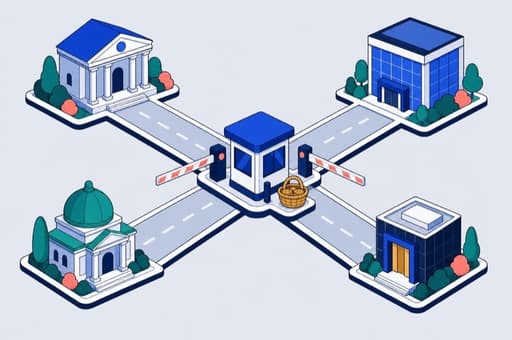
Payment Network
The core network brought in $19.476B in FY2025 by carrying card-payment messages. Mastercard's five largest customers supplied 21% of company revenue, but it does not name them; keeping big bank portfolios is the watchpoint.
Competes with VisaNet (Visa) · American Express Global Network (American Express)
In plain English
Picture four parties around a checkout: you, your bank, the shop and the shop's payment company. Mastercard is the traffic controller between them, checking that a purchase can proceed, passing the message and helping the money reach the right place. It usually does not lend you the money.
Card-issuing banks and payment companies pay according to spending, cards and messages carried, with extra value in purchases that cross borders. They also receive rebates to bring or keep large card programs on the network, so winning a bank relationship matters almost as much as people spending more.

Security Solutions
Fraud, identity and cyber-defense tools likely produce roughly $4–5B a year. Recorded Future adds intelligence about outside threats; growth depends on staying ahead of changing attacks without wrongly blocking good purchases.
Competes with Visa Protect (Visa) · RiskOps (Feedzai)
In plain English
A stolen card and a wrongly rejected purchase both cost someone money. Mastercard compares payment patterns with identity clues and outside warnings to help banks and shops decide which purchases look real. Recorded Future, its threat-intelligence business, adds information about attackers beyond Mastercard's own payment traffic.
Banks, the companies connecting shops to payment networks and merchants buy these tools on their own or alongside network access. They keep paying because attacks change constantly, while fewer false alarms mean fewer lost sales. The value rests on accurate decisions, lawful use of data and defenses that improve as criminals change tactics.
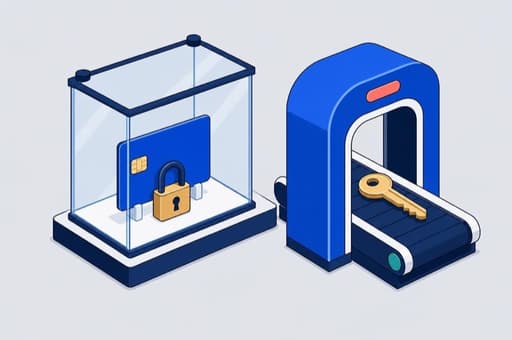
Digital and Authentication
About 40% of Mastercard transactions in FY2025 used safer substitute card details instead of exposing the real number. The watchpoint is adoption by banks, devices and online checkouts.
Competes with Visa Token Service (Visa) · Stripe Radar (Stripe)
In plain English
Online checkout needs a way to prove that a buyer is allowed to use a card without leaving the real card number everywhere. Mastercard can replace that number with a limited digital stand-in and help a bank check the person or device making the purchase.
Banks, merchants and payment companies pay for these safer checkout and identity tools, often as part of a broader Mastercard relationship. A stand-in is useful only when banks issue it, devices protect it and shops accept it, so the business grows as those participants adopt the same approach. Better protection can also mean fewer abandoned purchases.
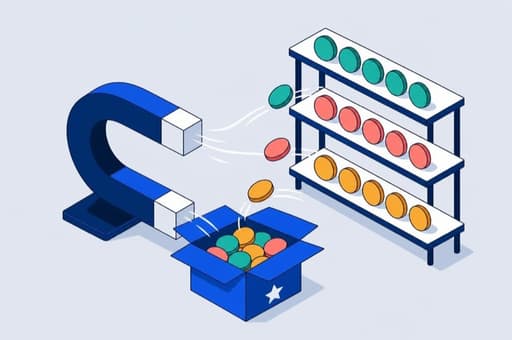
Consumer Acquisition and Engagement Services
Loyalty programs, offers and personalized marketing likely make about one dollar in ten of Mastercard's revenue. Banks, retailers and travel companies fund the campaigns; proof that they change customer behavior keeps budgets coming.
Competes with Adobe Target (Adobe) · Salesforce Personalization (Salesforce)
In plain English
The loyalty machinery behind a card offer sits here. Mastercard helps a bank decide which reward to show, helps a merchant contribute the offer and helps run the campaign, using Dynamic Yield to tailor what different customers see.
Rather than earning only when a card is swiped, Mastercard charges for campaigns and longer-running service agreements. Banks want customers to use and keep their cards; retailers and travel companies want visits and purchases. They continue spending when the offers bring measurable results. The work depends on customer permission and useful data, because personalization without either becomes guesswork.

Business and Market Insights
Payments advice, economic research and help putting recommendations to work likely contribute about 7% of revenue. Customers pay for answers drawn from spending data and specialist work; the limit is finding skilled people and proving results.
Competes with Visa Consulting & Analytics (Visa) · Commercial Insights (American Express)
In plain English
When a bank wonders why one card program is losing customers, or a city wants to understand changing spending, Mastercard can sell the answer as well as carry the payments. Its specialists study permitted spending information, recommend changes and may help put those changes into practice.
This is closer to hiring a knowledgeable mechanic than buying a machine: banks, merchants and public agencies pay for a project or an ongoing agreement, and much of the value comes from the people doing the work. Mastercard's network relationships open doors, but repeat business depends on useful advice and measurable improvement.
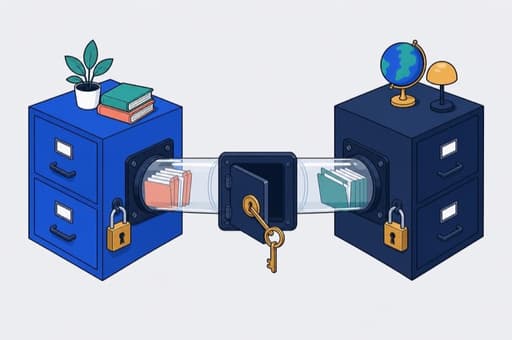
Open Finance
Permission-based bank connections likely bring in roughly half a billion dollars a year. The opening is easier verification and pay-by-bank purchases; growth still relies on customer consent, bank availability and local rules.
Competes with Plaid network (Plaid) · Tink platform (Visa)
In plain English
With a customer's permission, this platform lets one financial app safely ask another bank for useful information or start a payment directly from an account. A lender might confirm income, while a shop might offer a bank-account payment instead of a card.
Banks, financial apps, lenders and merchants pay to use the connection and for Mastercard to clean up or verify the data that comes through it. Think of it as plumbing with a valve the customer controls. It works only when banks stay connected, data arrives in a usable form and each country's rules allow the exchange.
Commercial Payments
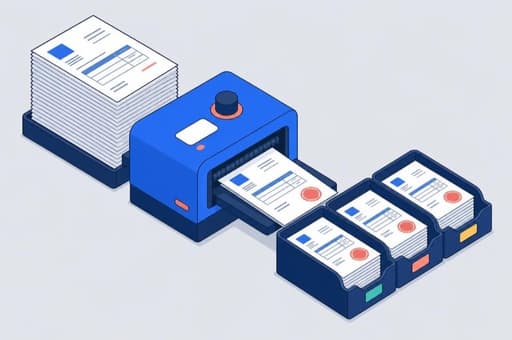
Companies put $1.405T through Mastercard-branded payments in FY2025, spanning travel, expenses, fleets and supplier bills. The opportunity is vast, but suppliers must accept cards and businesses must match each payment to the right bill.
Competes with Visa Commercial Solutions (Visa) · WEX virtual cards (WEX)
In plain English
Company spending is messier than buying lunch: an employee travels, a truck needs fuel and a finance team pays hundreds of suppliers. Mastercard supplies business cards, spending controls and temporary card numbers created for a particular bill, including its In Control offering.
Banks provide the credit and issue the payment details. Mastercard earns through the network and related services when businesses spend, while travel and business-software platforms place those tools inside the screens employees already use. More invoices can move from paper to digital payment, but merchants must accept the method and accounting records must match afterward.
Mastercard Move
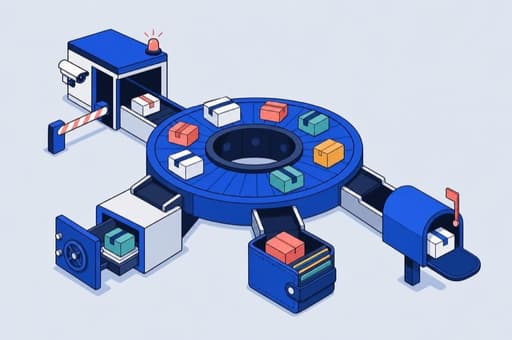
Move could reach roughly 17 billion cards, bank accounts and digital wallets as of October 2025. It carries benefits, remittances and other transfers; local instant-payment systems and operating permissions remain the checks on expansion.
Competes with Visa Direct (Visa) · Direct Global Network (Thunes)
In plain English
Money does not always start at a shop. A government sends benefits, a company pays a worker, or one person sends cash home. Mastercard Move connects the banks, cards and digital wallets at either end so that these transfers can reach their destination.
The sender may come through a bank, financial app, government or work platform, and Mastercard earns fees as the transfer travels across its connections. Its five-year Direct Express program with Fifth Third brings U.S. federal-benefit payments onto that system. The service needs broad reach, permission to operate, available funds and careful checks on restricted payments.
Mastercard Agent Pay
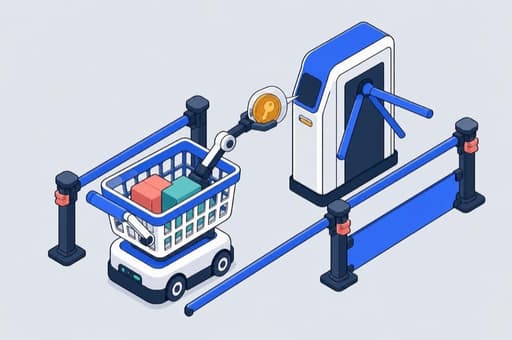
Mastercard bought BVNK for $1.5B in August 2026 to add payment plumbing for digital money built to keep a steady value. Agent Pay's test is whether software-led shopping becomes meaningful payment volume.
Competes with Visa Intelligent Commerce (Visa) · Stripe Agentic Commerce (Stripe)
In plain English
Here, the shopper can be software. Agent Pay gives a shopping program registered payment details and spending controls so it can buy something for a person without receiving an unrestricted card number. The bank, merchant and payment company still need to recognize and approve what that program is allowed to do.
Mastercard expects to earn as these purchases use its network and services, but it gives no separate sales figure yet. BVNK adds ways to move digital money designed to stay near a fixed value. Developers and checkout companies must build the connections, while clear permission and workable refunds are essential for trust.


 Payment NetworkThe core network brought in $19.476B in FY2025 by carrying card-payment messages. Mastercard's five largest customers supplied 21% of company revenue, but it does not name them; keeping big bank portfolios is the watchpoint.
The core network brought in $19.476B in FY2025 by carrying card-payment messages. Mastercard's five largest customers supplied 21% of company revenue, but it does not name them; keeping big bank portfolios is the watchpoint.
In plain English
Picture four parties around a checkout: you, your bank, the shop and the shop's payment company. Mastercard is the traffic controller between them, checking that a purchase can proceed, passing the message and helping the money reach the right place. It usually does not lend you the money.
Card-issuing banks and payment companies pay according to spending, cards and messages carried, with extra value in purchases that cross borders. They also receive rebates to bring or keep large card programs on the network, so winning a bank relationship matters almost as much as people spending more.
Competes with VisaNet (Visa) · American Express Global Network (American Express)
 Security SolutionsFraud, identity and cyber-defense tools likely produce roughly $4–5B a year. Recorded Future adds intelligence about outside threats; growth depends on staying ahead of changing attacks without wrongly blocking good purchases.
Fraud, identity and cyber-defense tools likely produce roughly $4–5B a year. Recorded Future adds intelligence about outside threats; growth depends on staying ahead of changing attacks without wrongly blocking good purchases.
In plain English
A stolen card and a wrongly rejected purchase both cost someone money. Mastercard compares payment patterns with identity clues and outside warnings to help banks and shops decide which purchases look real. Recorded Future, its threat-intelligence business, adds information about attackers beyond Mastercard's own payment traffic.
Banks, the companies connecting shops to payment networks and merchants buy these tools on their own or alongside network access. They keep paying because attacks change constantly, while fewer false alarms mean fewer lost sales. The value rests on accurate decisions, lawful use of data and defenses that improve as criminals change tactics.
Competes with Visa Protect (Visa) · RiskOps (Feedzai)
 Digital and AuthenticationAbout 40% of Mastercard transactions in FY2025 used safer substitute card details instead of exposing the real number. The watchpoint is adoption by banks, devices and online checkouts.
About 40% of Mastercard transactions in FY2025 used safer substitute card details instead of exposing the real number. The watchpoint is adoption by banks, devices and online checkouts.
In plain English
Online checkout needs a way to prove that a buyer is allowed to use a card without leaving the real card number everywhere. Mastercard can replace that number with a limited digital stand-in and help a bank check the person or device making the purchase.
Banks, merchants and payment companies pay for these safer checkout and identity tools, often as part of a broader Mastercard relationship. A stand-in is useful only when banks issue it, devices protect it and shops accept it, so the business grows as those participants adopt the same approach. Better protection can also mean fewer abandoned purchases.
Competes with Visa Token Service (Visa) · Stripe Radar (Stripe)
 Consumer Acquisition and Engagement ServicesLoyalty programs, offers and personalized marketing likely make about one dollar in ten of Mastercard's revenue. Banks, retailers and travel companies fund the campaigns; proof that they change customer behavior keeps budgets coming.
Loyalty programs, offers and personalized marketing likely make about one dollar in ten of Mastercard's revenue. Banks, retailers and travel companies fund the campaigns; proof that they change customer behavior keeps budgets coming.
In plain English
The loyalty machinery behind a card offer sits here. Mastercard helps a bank decide which reward to show, helps a merchant contribute the offer and helps run the campaign, using Dynamic Yield to tailor what different customers see.
Rather than earning only when a card is swiped, Mastercard charges for campaigns and longer-running service agreements. Banks want customers to use and keep their cards; retailers and travel companies want visits and purchases. They continue spending when the offers bring measurable results. The work depends on customer permission and useful data, because personalization without either becomes guesswork.
Competes with Adobe Target (Adobe) · Salesforce Personalization (Salesforce)
 Business and Market InsightsPayments advice, economic research and help putting recommendations to work likely contribute about 7% of revenue. Customers pay for answers drawn from spending data and specialist work; the limit is finding skilled people and proving results.
Payments advice, economic research and help putting recommendations to work likely contribute about 7% of revenue. Customers pay for answers drawn from spending data and specialist work; the limit is finding skilled people and proving results.
In plain English
When a bank wonders why one card program is losing customers, or a city wants to understand changing spending, Mastercard can sell the answer as well as carry the payments. Its specialists study permitted spending information, recommend changes and may help put those changes into practice.
This is closer to hiring a knowledgeable mechanic than buying a machine: banks, merchants and public agencies pay for a project or an ongoing agreement, and much of the value comes from the people doing the work. Mastercard's network relationships open doors, but repeat business depends on useful advice and measurable improvement.
Competes with Visa Consulting & Analytics (Visa) · Commercial Insights (American Express)
 Open FinancePermission-based bank connections likely bring in roughly half a billion dollars a year. The opening is easier verification and pay-by-bank purchases; growth still relies on customer consent, bank availability and local rules.
Permission-based bank connections likely bring in roughly half a billion dollars a year. The opening is easier verification and pay-by-bank purchases; growth still relies on customer consent, bank availability and local rules.
In plain English
With a customer's permission, this platform lets one financial app safely ask another bank for useful information or start a payment directly from an account. A lender might confirm income, while a shop might offer a bank-account payment instead of a card.
Banks, financial apps, lenders and merchants pay to use the connection and for Mastercard to clean up or verify the data that comes through it. Think of it as plumbing with a valve the customer controls. It works only when banks stay connected, data arrives in a usable form and each country's rules allow the exchange.
Competes with Plaid network (Plaid) · Tink platform (Visa)
 Commercial PaymentsCompanies put $1.405T through Mastercard-branded payments in FY2025, spanning travel, expenses, fleets and supplier bills. The opportunity is vast, but suppliers must accept cards and businesses must match each payment to the right bill.
Companies put $1.405T through Mastercard-branded payments in FY2025, spanning travel, expenses, fleets and supplier bills. The opportunity is vast, but suppliers must accept cards and businesses must match each payment to the right bill.
In plain English
Company spending is messier than buying lunch: an employee travels, a truck needs fuel and a finance team pays hundreds of suppliers. Mastercard supplies business cards, spending controls and temporary card numbers created for a particular bill, including its In Control offering.
Banks provide the credit and issue the payment details. Mastercard earns through the network and related services when businesses spend, while travel and business-software platforms place those tools inside the screens employees already use. More invoices can move from paper to digital payment, but merchants must accept the method and accounting records must match afterward.
Competes with Visa Commercial Solutions (Visa) · WEX virtual cards (WEX)
 Mastercard MoveMove could reach roughly 17 billion cards, bank accounts and digital wallets as of October 2025. It carries benefits, remittances and other transfers; local instant-payment systems and operating permissions remain the checks on expansion.
Move could reach roughly 17 billion cards, bank accounts and digital wallets as of October 2025. It carries benefits, remittances and other transfers; local instant-payment systems and operating permissions remain the checks on expansion.
In plain English
Money does not always start at a shop. A government sends benefits, a company pays a worker, or one person sends cash home. Mastercard Move connects the banks, cards and digital wallets at either end so that these transfers can reach their destination.
The sender may come through a bank, financial app, government or work platform, and Mastercard earns fees as the transfer travels across its connections. Its five-year Direct Express program with Fifth Third brings U.S. federal-benefit payments onto that system. The service needs broad reach, permission to operate, available funds and careful checks on restricted payments.
Competes with Visa Direct (Visa) · Direct Global Network (Thunes)
 Mastercard Agent PayMastercard bought BVNK for $1.5B in August 2026 to add payment plumbing for digital money built to keep a steady value. Agent Pay's test is whether software-led shopping becomes meaningful payment volume.
Mastercard bought BVNK for $1.5B in August 2026 to add payment plumbing for digital money built to keep a steady value. Agent Pay's test is whether software-led shopping becomes meaningful payment volume.
In plain English
Here, the shopper can be software. Agent Pay gives a shopping program registered payment details and spending controls so it can buy something for a person without receiving an unrestricted card number. The bank, merchant and payment company still need to recognize and approve what that program is allowed to do.
Mastercard expects to earn as these purchases use its network and services, but it gives no separate sales figure yet. BVNK adds ways to move digital money designed to stay near a fixed value. Developers and checkout companies must build the connections, while clear permission and workable refunds are essential for trust.
Competes with Visa Intelligent Commerce (Visa) · Stripe Agentic Commerce (Stripe)
Named in filings, launches and programs
- Processing and GatewayServiceCarries checkout messages and connects merchants to payment acceptance, within the small remainder of services not split into named families.
- Account-to-Account PaymentsPlatformRuns bank-transfer, instant-payment and bill-payment infrastructure, including systems built from Vocalink technology.
- Mastercard One CredentialProduct · RampingLets a customer choose debit, installments or another way to fund a purchase from one payment account.
- Mastercard Commerce MediaService · RampingA recently announced advertising service built from Mastercard's merchant ties and customer-engagement work.
- Account-to-Account ProtectService · RampingExtends fraud and scam checks to fast payments moving directly between bank accounts.
- Mastercard Threat IntelligenceService · RampingTurns Recorded Future's outside threat signals into monitoring tools for Mastercard customers.
- Mastercard NUCC Information Technology (Beijing) Co., Ltd.Brand · RampingThe China joint venture that handles Mastercard-branded payments made within China.
- BVNKBrandAcquired in August 2026 to add infrastructure for payments using digital money designed to hold a steady value.
- Recorded FutureBrandThe threat-intelligence provider acquired in December 2024 and folded into Security Solutions.
- Minna TechnologiesBrandAn acquired subscription-management service discussed as part of Mastercard's consumer offerings.
- Capital One card-network programCustomer programCapital One renewed Mastercard for its credit cards after moving its debit cards to Discover.
- Direct ExpressCustomer programA five-year federal-benefit debit program begun with Fifth Third, serving about 3.4 million U.S. recipients.
- H1 2026 card-program winsCustomer program · RampingSeveral hundred wins and expansions could add trillions in payment volume over a decade, but promise no minimum sales.
- UAE domestic switching partnershipCustomer program · AnnouncedWill supply technology that directs local payments for Al Etihad Payments and support Jaywan cards that also work internationally.
- Evermore U.S. food-benefits programCustomer program · RampingAn exclusive effort to turn part of roughly $100B in yearly U.S. food assistance into digital payments.
Processing and GatewayService
Carries checkout messages and connects merchants to payment acceptance, within the small remainder of services not split into named families.
Account-to-Account PaymentsPlatform
Runs bank-transfer, instant-payment and bill-payment infrastructure, including systems built from Vocalink technology.
Mastercard One CredentialProduct · Ramping
Lets a customer choose debit, installments or another way to fund a purchase from one payment account.
Mastercard Commerce MediaService · Ramping
A recently announced advertising service built from Mastercard's merchant ties and customer-engagement work.
Account-to-Account ProtectService · Ramping
Extends fraud and scam checks to fast payments moving directly between bank accounts.
Mastercard Threat IntelligenceService · Ramping
Turns Recorded Future's outside threat signals into monitoring tools for Mastercard customers.
Mastercard NUCC Information Technology (Beijing) Co., Ltd.Brand · Ramping
The China joint venture that handles Mastercard-branded payments made within China.
BVNKBrand
Acquired in August 2026 to add infrastructure for payments using digital money designed to hold a steady value.
Recorded FutureBrand
The threat-intelligence provider acquired in December 2024 and folded into Security Solutions.
Minna TechnologiesBrand
An acquired subscription-management service discussed as part of Mastercard's consumer offerings.
Capital One card-network programCustomer program
Capital One renewed Mastercard for its credit cards after moving its debit cards to Discover.
Direct ExpressCustomer program
A five-year federal-benefit debit program begun with Fifth Third, serving about 3.4 million U.S. recipients.
H1 2026 card-program winsCustomer program · Ramping
Several hundred wins and expansions could add trillions in payment volume over a decade, but promise no minimum sales.
UAE domestic switching partnershipCustomer program · Announced
Will supply technology that directs local payments for Al Etihad Payments and support Jaywan cards that also work internationally.
Evermore U.S. food-benefits programCustomer program · Ramping
An exclusive effort to turn part of roughly $100B in yearly U.S. food assistance into digital payments.