
McDonald's (MCD)
Franchises Golden Arches restaurants serving burgers, chicken, breakfast and McCafé drinks worldwide.
Something off on this page? Send us feedback.
McDonald's is less a giant restaurant operator than a global network of local owners paying for the name, the system and often the property. Rent and sales-linked fees do most of the economic work; the smaller company-run estate keeps McDonald's close to the kitchen. Growth now depends on adding restaurants and turning apps, delivery, value meals, chicken and drinks into more frequent visits, while weak consumer traffic and uneven execution test the model.
Item facts: FY2025 · year ended Dec 31, 2025, from filings, earnings calls and company pages.
Judgment weights, not filed revenue
The band summarizes business focus and direction. ~ marks estimates.
7 in detail · 15 more below
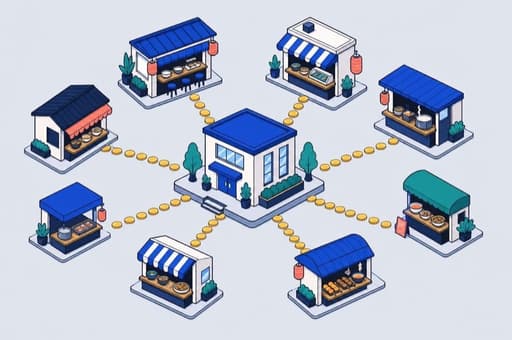
Franchised Restaurants
Local owners run almost every restaurant while McDonald's collects rent and sales-linked fees. This engine supplies about 90% of restaurant profit; watch whether traffic and inflation leave owners enough cash to maintain and expand stores.
Competes with Burger King franchise network (Restaurant Brands International) · KFC franchise network (Yum! Brands)
In plain English
Picture a vast food court where most counters have local owners, but one landlord supplies the name, operating playbook and often the site. Those owners buy the equipment, hire the crews and serve the meals.
McDonald's gets paid mainly through rent and a fee tied to each restaurant's sales, so busy counters lift its income without making it bear every food or wage bill. Agreements generally last 20 years. The arrangement works only if owners make enough money to keep remodeling and opening restaurants.
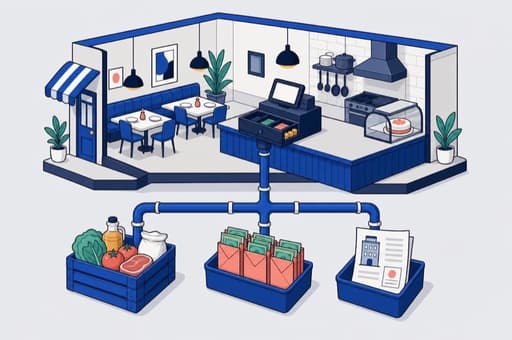
Company-Owned and Operated Restaurants
McDonald's keeps the whole customer check at stores it runs, then pays for food, crews and premises itself. Those stores kept 14.7 cents of each sales dollar before central costs; more sales are no help if operating costs rise faster.
Competes with Starbucks company-operated stores (Starbucks) · Chipotle restaurants (Chipotle Mexican Grill)
In plain English
Here McDonald's is the restaurant owner, not the landlord. It chooses the crew, buys the ingredients, runs the kitchen and rings up the customer's entire bill.
That makes the sales number look bigger than a fee from a locally owned restaurant, but the costs are bigger too. In FY2025, the company-run stores produced $9.69 billion of sales and had $8.27 billion of food, labor and property costs. McDonald's has begun selling more of these stores to local operators after weak U.S. results, so this side may shrink even as the wider network grows.
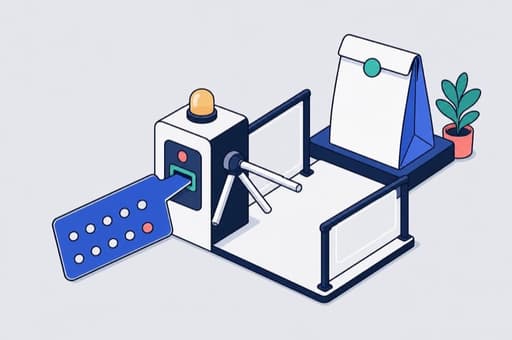
MyMcDonald's Rewards
The app remembers customers, awards points and serves offers that encourage another visit. By FY2026 Q2, purchases tied to loyalty members had reached about $40 billion over the prior year; watch privacy, security and whether offers create lasting habits.
Competes with Starbucks Rewards (Starbucks) · Royal Perks (Burger King)
In plain English
A digital punch card has become McDonald's way of recognizing the same customer across orders. People use the app to collect points, receive offers, order and pay; restaurants see who returned and what they bought.
The money still arrives as a food sale, not a separate app charge. McDonald's benefits when a useful offer brings someone back more often, because company stores keep the check and locally owned stores pay fees on their sales. Nearly 220 million people had used the program recently by FY2026 Q2, but that reach also makes careful handling of location, purchases and guesses about their preferences essential.
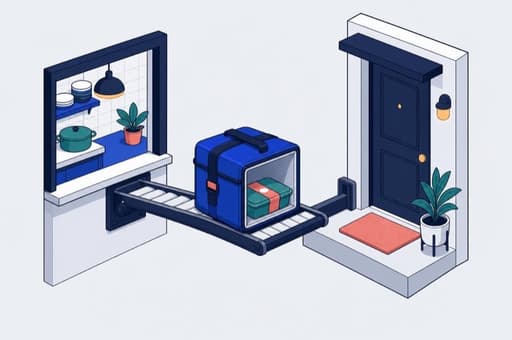
McDelivery
McDelivery extends the restaurant to the customer's door through McDonald's and courier apps. By FY2026 Q2, delivery carried more than $20 billion of annual restaurant sales; watch courier availability, fees, order accuracy and food quality after the trip.
Competes with Pizza Hut Delivery (Yum! Brands) · KFC Delivery (Yum China)
In plain English
Dinner can reach the sofa without the customer entering a restaurant. An order comes through McDonald's app or a delivery marketplace, the nearest kitchen prepares it, and a courier carries it to the door.
The customer pays for the meal and may also face higher menu prices or delivery fees. The restaurant receives the food sale, while the delivery service earns for finding or carrying the order; McDonald's then earns directly at its own stores or through sales-linked fees at locally owned ones. The channel now reaches roughly nine in ten restaurants, so reliability matters more than novelty.
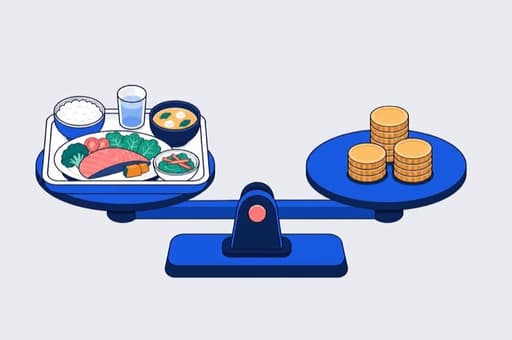
McValue
McValue groups low-price items, meal deals and app offers to protect visits when household budgets tighten. In FY2026 Q2, only 60%–65% of U.S. restaurants followed the recommended price setup; consistent local execution is the immediate test.
Competes with Biggie Deals (Wendy's) · Build Your Own Luxe Cravings Box (Taco Bell)
In plain English
The promise is simple: a customer short on cash should spot an affordable meal without doing homework. McValue puts entry-price food, bundles and digital offers under one program, with similar versions outside the United States.
Cheap meals can fill quiet counters and introduce add-on purchases, but local restaurant owners pay for the ingredients, crew time and discounts. They also set much of the price. If signs, app offers and actual prices disagree from one restaurant to the next, customers lose the clear reason to visit. That uneven rollout contributed to weak U.S. traffic in FY2026 Q2.
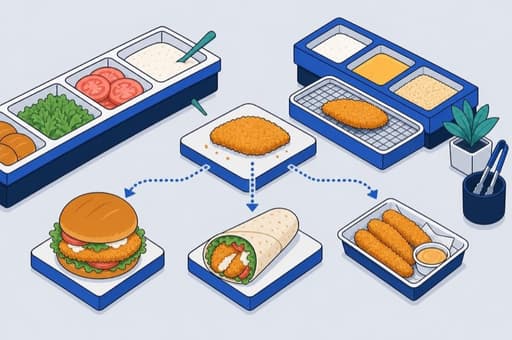
McCrispy
McCrispy turns one chicken platform into sandwiches, strips and wraps adapted for local tastes. Management says the chicken market is twice the size of beef; watch whether a broader menu wins visits without making kitchens slower or harder to supply.
Competes with KFC fried-chicken platform (Yum! Brands) · Popeyes chicken sandwiches (Restaurant Brands International)
In plain English
One kitchen setup can now produce several kinds of crispy chicken meal. McCrispy covers sandwiches, strips and wraps, while each market can change flavors; the sandwich had reached nearly all major markets by the end of FY2025.
Customers simply buy the food, and that spending flows through company-run or locally owned restaurants in the usual way. The appeal is reuse: more meals can come from related ingredients and equipment. The danger is the other side of variety—extra steps, poultry needs and food-safety demands can slow a kitchen that wins on speed.
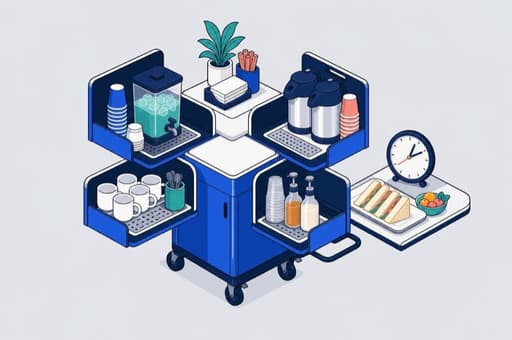
McCafé
McCafé is widening from coffee into cold refreshers, crafted sodas and energy drinks. By July 2026, the new drinks had moved from a U.S. test into four countries; watch whether afternoon demand adds food sales without clogging restaurant kitchens.
Competes with Starbucks Refreshers and cold coffees (Starbucks) · Tim Hortons cold specialty beverages (Restaurant Brands International)
In plain English
The quieter hours after lunch are the opening. McCafé is adding colorful cold drinks, sodas mixed to order and energy drinks beside its familiar coffee, giving customers another reason to stop when they may not want a full meal.
Each cup is sold through the restaurant like any other menu item, and management expects some drink buyers to add food. The wider launch followed a test in a few hundred U.S. stores, and early traffic leaned toward the afternoon. Expansion depends on supplying cups and ingredients, training crews and fitting the extra drink steps into kitchens built for fast meals.


 Franchised RestaurantsLocal owners run almost every restaurant while McDonald's collects rent and sales-linked fees. This engine supplies about 90% of restaurant profit; watch whether traffic and inflation leave owners enough cash to maintain and expand stores.
Local owners run almost every restaurant while McDonald's collects rent and sales-linked fees. This engine supplies about 90% of restaurant profit; watch whether traffic and inflation leave owners enough cash to maintain and expand stores.
In plain English
Picture a vast food court where most counters have local owners, but one landlord supplies the name, operating playbook and often the site. Those owners buy the equipment, hire the crews and serve the meals.
McDonald's gets paid mainly through rent and a fee tied to each restaurant's sales, so busy counters lift its income without making it bear every food or wage bill. Agreements generally last 20 years. The arrangement works only if owners make enough money to keep remodeling and opening restaurants.
Competes with Burger King franchise network (Restaurant Brands International) · KFC franchise network (Yum! Brands)
 Company-Owned and Operated RestaurantsMcDonald's keeps the whole customer check at stores it runs, then pays for food, crews and premises itself. Those stores kept 14.7 cents of each sales dollar before central costs; more sales are no help if operating costs rise faster.
McDonald's keeps the whole customer check at stores it runs, then pays for food, crews and premises itself. Those stores kept 14.7 cents of each sales dollar before central costs; more sales are no help if operating costs rise faster.
In plain English
Here McDonald's is the restaurant owner, not the landlord. It chooses the crew, buys the ingredients, runs the kitchen and rings up the customer's entire bill.
That makes the sales number look bigger than a fee from a locally owned restaurant, but the costs are bigger too. In FY2025, the company-run stores produced $9.69 billion of sales and had $8.27 billion of food, labor and property costs. McDonald's has begun selling more of these stores to local operators after weak U.S. results, so this side may shrink even as the wider network grows.
Competes with Starbucks company-operated stores (Starbucks) · Chipotle restaurants (Chipotle Mexican Grill)
 MyMcDonald's RewardsThe app remembers customers, awards points and serves offers that encourage another visit. By FY2026 Q2, purchases tied to loyalty members had reached about $40 billion over the prior year; watch privacy, security and whether offers create lasting habits.
The app remembers customers, awards points and serves offers that encourage another visit. By FY2026 Q2, purchases tied to loyalty members had reached about $40 billion over the prior year; watch privacy, security and whether offers create lasting habits.
In plain English
A digital punch card has become McDonald's way of recognizing the same customer across orders. People use the app to collect points, receive offers, order and pay; restaurants see who returned and what they bought.
The money still arrives as a food sale, not a separate app charge. McDonald's benefits when a useful offer brings someone back more often, because company stores keep the check and locally owned stores pay fees on their sales. Nearly 220 million people had used the program recently by FY2026 Q2, but that reach also makes careful handling of location, purchases and guesses about their preferences essential.
Competes with Starbucks Rewards (Starbucks) · Royal Perks (Burger King)
 McDeliveryMcDelivery extends the restaurant to the customer's door through McDonald's and courier apps. By FY2026 Q2, delivery carried more than $20 billion of annual restaurant sales; watch courier availability, fees, order accuracy and food quality after the trip.
McDelivery extends the restaurant to the customer's door through McDonald's and courier apps. By FY2026 Q2, delivery carried more than $20 billion of annual restaurant sales; watch courier availability, fees, order accuracy and food quality after the trip.
In plain English
Dinner can reach the sofa without the customer entering a restaurant. An order comes through McDonald's app or a delivery marketplace, the nearest kitchen prepares it, and a courier carries it to the door.
The customer pays for the meal and may also face higher menu prices or delivery fees. The restaurant receives the food sale, while the delivery service earns for finding or carrying the order; McDonald's then earns directly at its own stores or through sales-linked fees at locally owned ones. The channel now reaches roughly nine in ten restaurants, so reliability matters more than novelty.
Competes with Pizza Hut Delivery (Yum! Brands) · KFC Delivery (Yum China)
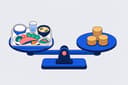 McValueMcValue groups low-price items, meal deals and app offers to protect visits when household budgets tighten. In FY2026 Q2, only 60%–65% of U.S. restaurants followed the recommended price setup; consistent local execution is the immediate test.
McValue groups low-price items, meal deals and app offers to protect visits when household budgets tighten. In FY2026 Q2, only 60%–65% of U.S. restaurants followed the recommended price setup; consistent local execution is the immediate test.
In plain English
The promise is simple: a customer short on cash should spot an affordable meal without doing homework. McValue puts entry-price food, bundles and digital offers under one program, with similar versions outside the United States.
Cheap meals can fill quiet counters and introduce add-on purchases, but local restaurant owners pay for the ingredients, crew time and discounts. They also set much of the price. If signs, app offers and actual prices disagree from one restaurant to the next, customers lose the clear reason to visit. That uneven rollout contributed to weak U.S. traffic in FY2026 Q2.
Competes with Biggie Deals (Wendy's) · Build Your Own Luxe Cravings Box (Taco Bell)
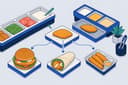 McCrispyMcCrispy turns one chicken platform into sandwiches, strips and wraps adapted for local tastes. Management says the chicken market is twice the size of beef; watch whether a broader menu wins visits without making kitchens slower or harder to supply.
McCrispy turns one chicken platform into sandwiches, strips and wraps adapted for local tastes. Management says the chicken market is twice the size of beef; watch whether a broader menu wins visits without making kitchens slower or harder to supply.
In plain English
One kitchen setup can now produce several kinds of crispy chicken meal. McCrispy covers sandwiches, strips and wraps, while each market can change flavors; the sandwich had reached nearly all major markets by the end of FY2025.
Customers simply buy the food, and that spending flows through company-run or locally owned restaurants in the usual way. The appeal is reuse: more meals can come from related ingredients and equipment. The danger is the other side of variety—extra steps, poultry needs and food-safety demands can slow a kitchen that wins on speed.
Competes with KFC fried-chicken platform (Yum! Brands) · Popeyes chicken sandwiches (Restaurant Brands International)
 McCaféMcCafé is widening from coffee into cold refreshers, crafted sodas and energy drinks. By July 2026, the new drinks had moved from a U.S. test into four countries; watch whether afternoon demand adds food sales without clogging restaurant kitchens.
McCafé is widening from coffee into cold refreshers, crafted sodas and energy drinks. By July 2026, the new drinks had moved from a U.S. test into four countries; watch whether afternoon demand adds food sales without clogging restaurant kitchens.
In plain English
The quieter hours after lunch are the opening. McCafé is adding colorful cold drinks, sodas mixed to order and energy drinks beside its familiar coffee, giving customers another reason to stop when they may not want a full meal.
Each cup is sold through the restaurant like any other menu item, and management expects some drink buyers to add food. The wider launch followed a test in a few hundred U.S. stores, and early traffic leaned toward the afternoon. Expansion depends on supplying cups and ingredients, training crews and fitting the extra drink steps into kitchens built for fast meals.
Competes with Starbucks Refreshers and cold coffees (Starbucks) · Tim Hortons cold specialty beverages (Restaurant Brands International)
Named in filings, launches and programs
- Other RevenuesService$647 million from technology cost recovery and consumer-product brand licensing completed FY2025 revenue.
- Conventional FranchiseEcosystemThe main ownership arrangement: local operators fund equipment and operations while McDonald's generally controls the site and collects rent and sales-linked fees.
- Developmental License and Affiliate StructuresEcosystemPartners fund more of each restaurant; China and Japan are the principal affiliated markets.
- Arcos Dorados Master Franchise AgreementCustomer programA 20-year agreement covers more than 2,400 restaurants across Latin America and the Caribbean, with sales-linked fees rising over its term.
- Consumer, Restaurant and Company PlatformsEcosystem · RampingCommon app, loyalty, pricing, restaurant-computing, finance and staff systems supported by renewed Capgemini and Cognizant agreements.
- Ready on ArrivalServicePhone location tells the kitchen when an app customer is close enough for order preparation to begin.
- Drive ThruEcosystemNearly 29,000 restaurants let customers order and collect meals without leaving the car.
- Big MacBrandCore beef sandwich among the company's 17 menu brands with at least $1 billion in annual restaurant sales.
- Quarter PounderBrandFresh-beef sandwich family within the same group of billion-dollar menu brands.
- Chicken McNuggetsBrandCore chicken line within the group of menu brands producing at least $1 billion of annual restaurant sales.
- World Famous FriesBrandPotato side line within the group of menu brands producing at least $1 billion of annual restaurant sales.
- Best BurgerProduct line · RampingA revised way of cooking and assembling beef burgers, already used in more than 85 markets and still expanding.
- Big ArchProduct · RampingA larger burger that earned a permanent U.K. menu place after tests in international markets.
- Snack WrapProductThe $2.99 chicken wrap returned to U.S. restaurants in July 2025 after a nine-year absence.
- Happy MealBrandChildren's meal format adapted by market through its food, price and promotional tie-ins.
Other RevenuesService
$647 million from technology cost recovery and consumer-product brand licensing completed FY2025 revenue.
Conventional FranchiseEcosystem
The main ownership arrangement: local operators fund equipment and operations while McDonald's generally controls the site and collects rent and sales-linked fees.
Developmental License and Affiliate StructuresEcosystem
Partners fund more of each restaurant; China and Japan are the principal affiliated markets.
Arcos Dorados Master Franchise AgreementCustomer program
A 20-year agreement covers more than 2,400 restaurants across Latin America and the Caribbean, with sales-linked fees rising over its term.
Consumer, Restaurant and Company PlatformsEcosystem · Ramping
Common app, loyalty, pricing, restaurant-computing, finance and staff systems supported by renewed Capgemini and Cognizant agreements.
Ready on ArrivalService
Phone location tells the kitchen when an app customer is close enough for order preparation to begin.
Drive ThruEcosystem
Nearly 29,000 restaurants let customers order and collect meals without leaving the car.
Big MacBrand
Core beef sandwich among the company's 17 menu brands with at least $1 billion in annual restaurant sales.
Quarter PounderBrand
Fresh-beef sandwich family within the same group of billion-dollar menu brands.
Chicken McNuggetsBrand
Core chicken line within the group of menu brands producing at least $1 billion of annual restaurant sales.
World Famous FriesBrand
Potato side line within the group of menu brands producing at least $1 billion of annual restaurant sales.
Best BurgerProduct line · Ramping
A revised way of cooking and assembling beef burgers, already used in more than 85 markets and still expanding.
Big ArchProduct · Ramping
A larger burger that earned a permanent U.K. menu place after tests in international markets.
Snack WrapProduct
The $2.99 chicken wrap returned to U.S. restaurants in July 2025 after a nine-year absence.
Happy MealBrand
Children's meal format adapted by market through its food, price and promotional tie-ins.