
Moody's (MCO)
Publishes credit ratings and sells subscription data, analytics and risk-management workflows.
Something off on this page? Send us feedback.
Moody's has two engines: ratings paid for when organizations borrow, and subscriptions that help customers understand companies and risks. Ratings still bring in slightly more money and can jump with debt markets; the subscription side is steadier and becoming more deeply embedded in customers' daily tools.
Item facts: FY2025 · year ended Dec 31, 2025, from filings, earnings calls and company pages.
Judgment weights, not filed revenue
The band summarizes business focus and direction. ~ marks estimates.
10 in detail · 10 more below

Moody's Analytics
The subscription half of Moody's sells research, data and working software. Customers had promised $4.6B of future payments by June 2026; keeping renewals high while lifting profit per sale is the job now.
Competes with RatingsDirect (S&P Global Market Intelligence) · Company Data (LSEG) · nCino Lending (nCino)
In plain English
This is the steadier half of Moody's. Instead of paying once for a rating, banks, insurers, investors and large companies subscribe to information and software they use to judge borrowers, screen business partners, model disasters and manage loans. It works like a professional reference library with built-in workbenches.
Customers usually pay fixed recurring fees for access, upkeep, online software or data delivered into their own systems. Nearly all of this side's sales now repeat, and customers usually keep paying from year to year. That dependable base softens the swings when fewer bonds are issued.
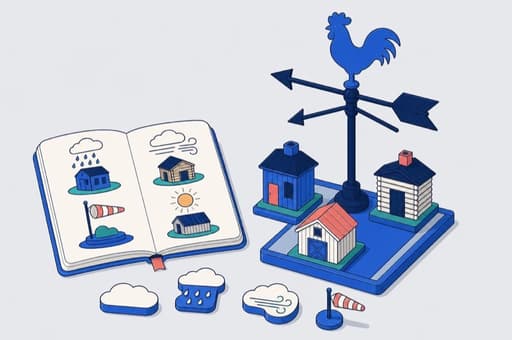
Research and Insights
Credit research and economic what-if tools sold by subscription. Second-quarter 2026 sales grew 3%, slower than the subscription base, as customers moved to OneView; watch whether that move restores momentum.
Competes with RatingsDirect (S&P Global Market Intelligence) · Fitch Ratings PRO (Fitch Ratings)
In plain English
Before lending money or buying a bond, a professional wants more than a grade. This service supplies the analyst notes, economic forecasts and what-if exercises behind the decision—rather like checking both a restaurant score and the inspector's full notebook.
Banks, fund managers, insurers and companies pay recurring fees to search that work, follow borrowers and test how a recession or other change might affect them. Moody's keeps earning when those tools become part of the customer's regular review routine; the risk is that a change of delivery system gives users a reason to pause or reconsider.
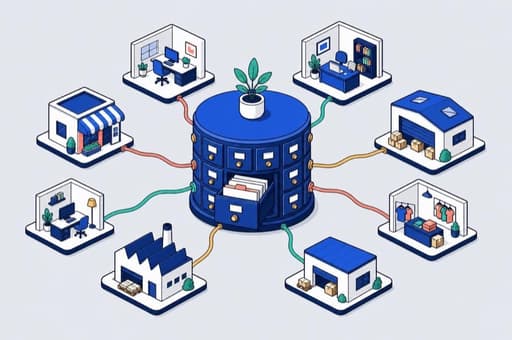
Data and Information
A vast directory of companies, owners, people, news and ratings, delivered into customer systems. Second-quarter 2026 sales rose 9%; access to fresh official records is what keeps the directory useful.
Competes with Capital IQ Pro and data feeds (S&P Global) · Company Data (LSEG)
In plain English
Picture a world business address book that also shows who owns each company and how the pieces connect. Moody's gathers public records and licensed information, matches messy names to the right organization, and packages the result through Orbis and direct data connections.
Tax authorities, investors, compliance teams and technology companies pay subscriptions because rebuilding and updating that directory themselves would be slow and error-prone. The more deeply the feed sits inside a customer's own software, the harder it is to replace—but the product depends on continued access to registries and other data suppliers.

Insurance
Software that estimates how storms, fires and other losses could hit insured property. Second-quarter 2026 sales grew 9%; the unfinished move from customers' own computers to Moody's online service creates both opportunity and switching risk.
Competes with Touchstone (Verisk) · ELEMENTS and Impact Forecasting (Aon)
In plain English
An insurer cannot wait for a hurricane to learn how badly its policies might fare. Moody's gives it a detailed practice world: models of disasters, property information and tools for testing a book of insurance before real claims arrive.
Insurers, brokers and regulators subscribe to run those exercises and guide prices, money set aside for claims and coverage choices. Moody's is moving the work from software kept on each customer's own computers to its online Insurance Risk Platform, with outside models and data available there too. That can deepen recurring use, but customers must trust both the model and a demanding move of important work.

Banking
Loan and risk software for banks. Second-quarter 2026 sales fell 14% after Moody's sold adjacent products, even as the remaining subscriptions grew; the test is turning that healthier core into overall sales growth.
Competes with nCino Lending (nCino) · Commercial Lending Suite (FIS)
In plain English
The unglamorous machinery behind a business loan: taking the application, checking the borrower, approving terms and tracking what happens afterward. Lending Suite and CreditLens put those steps into one working system, while Numerated and Able AI automate more of the small-business paperwork.
Banks pay recurring software fees and often bring in outside specialists to install it. Once the system touches many branches and countries it can be sticky, but replacements take a long time. Recent sales look weaker partly because Moody's disposed of other banking products, while the remaining lending subscriptions continued to expand.

KYC
Tools for checking who really owns a business and whether a customer or supplier raises financial-crime concerns. Sales grew 13% in the second quarter of 2026; accuracy matters because false alarms waste customers' time.
Competes with World-Check One (LSEG) · Bridger Insight XG (LexisNexis)
In plain English
Who is actually behind the company at the door? Moody's links ownership records with lists of sanctioned people, troubling news and identity checks, then helps a customer investigate any warning. KYC is the industry's shorthand for knowing whom you are dealing with.
Banks, companies and public agencies subscribe because laws and their own safety rules require repeated checks, not a one-time search. Products including Moody's for Compliance and Maxsight organize the cases. Demand grows as more businesses screen suppliers as well as clients, while incomplete ownership data or too many false alarms can erode trust.
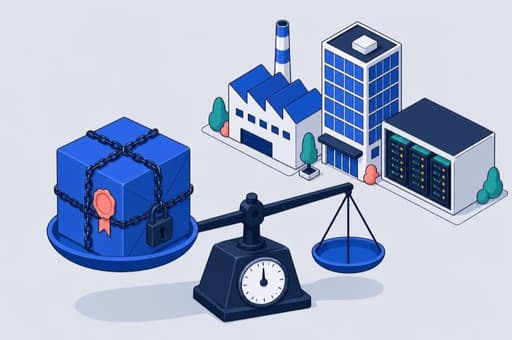
Corporate Finance
Moody's biggest single business grades companies and the debt they sell. Second-quarter 2026 sales jumped 27% with heavy borrowing, including for artificial-intelligence infrastructure; management expects the pace to cool later in the year.
Competes with Corporate credit ratings (S&P Global Ratings) · Corporate ratings (Fitch Ratings)
In plain English
When a company wants to borrow from the public, Moody's studies its finances and gives the debt a grade meant to summarize the chance of repayment. The borrower pays for the initial opinion; investors and banks use it when deciding what risk they will accept.
Most money here arrives when new bonds or loans are brought to market, with smaller ongoing fees for watching them afterward. That makes the business highly profitable but uneven: replacing old debt, takeovers and major construction can create a rush of work, then a quieter borrowing market can quickly slow it.

Financial Institutions
Ratings for banks, insurers and investment firms. Second-quarter 2026 sales rose 16% as frequent bank borrowers and funds that make private loans stayed busy; funding markets and acceptance of Moody's opinions determine how durable that demand is.
Competes with Financial-institution ratings (S&P Global Ratings) · Bank and insurance ratings (Fitch Ratings)
In plain English
A bank can look solid from the street while carrying risks deep inside its loan book. Moody's examines banks, insurers and investment firms, then grades both the institution and the debt it issues so lenders can compare one promise with another.
These financial companies pay when they seek a new rating and for continued watching. A little over half of this line's sales in the anchor year came from new activity, so busy funding markets help. Rules about how much safety money banks must hold, and investors' willingness to rely on the grade, also shape demand.

Public, Project and Infrastructure Finance
Ratings for governments and for debt funding utilities, power plants, data centers and other large projects. Second-quarter 2026 sales surged 38%, partly on technology infrastructure, but one strong financing wave is not a lasting growth rate.
Competes with Government and infrastructure ratings (S&P Global Ratings) · Sovereign and infrastructure ratings (Fitch Ratings)
In plain English
A new power plant or public project may take years to build and decades to repay. Moody's judges whether the government, utility or project behind that debt is likely to keep making payments, giving many lenders a common outside opinion.
The organization behind the project pays for a rating when financing is arranged and for monitoring afterward. New data centers and their power needs recently brought more work, alongside ordinary public and utility borrowing. Because most sales depend on new deals, the flow can change with interest rates, public budgets, available power and the construction pipeline.
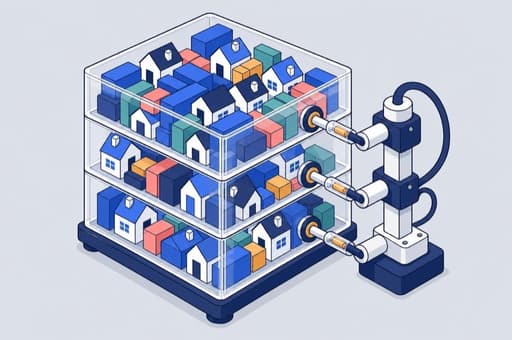
Structured Finance
Ratings for bundles of mortgages, business loans and other debts sold as new investments. Second-quarter 2026 sales rose 12%; new bundles drive fees, while prepaid monitoring makes this line steadier than new deals alone suggest.
Competes with Structured-finance ratings (Fitch Ratings) · Structured-finance ratings (S&P Global Ratings)
In plain English
Many small debts can be packed together and sold as one investment. Moody's examines what is inside, tests how losses might spread through the package and assigns grades to the different layers—like inspecting a mixed crate and marking which shelves are safest.
The firms assembling these mortgage, property-loan and other debt pools pay for the first rating. They also pay for Moody's to keep watching as borrowers repay or fall behind; some commercial-property deals prepay that service for the investment's life. New packaging activity still matters, but those monitoring fees add a cushion.


 Moody's AnalyticsThe subscription half of Moody's sells research, data and working software. Customers had promised $4.6B of future payments by June 2026; keeping renewals high while lifting profit per sale is the job now.
The subscription half of Moody's sells research, data and working software. Customers had promised $4.6B of future payments by June 2026; keeping renewals high while lifting profit per sale is the job now.
In plain English
This is the steadier half of Moody's. Instead of paying once for a rating, banks, insurers, investors and large companies subscribe to information and software they use to judge borrowers, screen business partners, model disasters and manage loans. It works like a professional reference library with built-in workbenches.
Customers usually pay fixed recurring fees for access, upkeep, online software or data delivered into their own systems. Nearly all of this side's sales now repeat, and customers usually keep paying from year to year. That dependable base softens the swings when fewer bonds are issued.
Competes with RatingsDirect (S&P Global Market Intelligence) · Company Data (LSEG) · nCino Lending (nCino)
 Research and InsightsCredit research and economic what-if tools sold by subscription. Second-quarter 2026 sales grew 3%, slower than the subscription base, as customers moved to OneView; watch whether that move restores momentum.
Credit research and economic what-if tools sold by subscription. Second-quarter 2026 sales grew 3%, slower than the subscription base, as customers moved to OneView; watch whether that move restores momentum.
In plain English
Before lending money or buying a bond, a professional wants more than a grade. This service supplies the analyst notes, economic forecasts and what-if exercises behind the decision—rather like checking both a restaurant score and the inspector's full notebook.
Banks, fund managers, insurers and companies pay recurring fees to search that work, follow borrowers and test how a recession or other change might affect them. Moody's keeps earning when those tools become part of the customer's regular review routine; the risk is that a change of delivery system gives users a reason to pause or reconsider.
Competes with RatingsDirect (S&P Global Market Intelligence) · Fitch Ratings PRO (Fitch Ratings)
 Data and InformationA vast directory of companies, owners, people, news and ratings, delivered into customer systems. Second-quarter 2026 sales rose 9%; access to fresh official records is what keeps the directory useful.
A vast directory of companies, owners, people, news and ratings, delivered into customer systems. Second-quarter 2026 sales rose 9%; access to fresh official records is what keeps the directory useful.
In plain English
Picture a world business address book that also shows who owns each company and how the pieces connect. Moody's gathers public records and licensed information, matches messy names to the right organization, and packages the result through Orbis and direct data connections.
Tax authorities, investors, compliance teams and technology companies pay subscriptions because rebuilding and updating that directory themselves would be slow and error-prone. The more deeply the feed sits inside a customer's own software, the harder it is to replace—but the product depends on continued access to registries and other data suppliers.
Competes with Capital IQ Pro and data feeds (S&P Global) · Company Data (LSEG)
 InsuranceSoftware that estimates how storms, fires and other losses could hit insured property. Second-quarter 2026 sales grew 9%; the unfinished move from customers' own computers to Moody's online service creates both opportunity and switching risk.
Software that estimates how storms, fires and other losses could hit insured property. Second-quarter 2026 sales grew 9%; the unfinished move from customers' own computers to Moody's online service creates both opportunity and switching risk.
In plain English
An insurer cannot wait for a hurricane to learn how badly its policies might fare. Moody's gives it a detailed practice world: models of disasters, property information and tools for testing a book of insurance before real claims arrive.
Insurers, brokers and regulators subscribe to run those exercises and guide prices, money set aside for claims and coverage choices. Moody's is moving the work from software kept on each customer's own computers to its online Insurance Risk Platform, with outside models and data available there too. That can deepen recurring use, but customers must trust both the model and a demanding move of important work.
Competes with Touchstone (Verisk) · ELEMENTS and Impact Forecasting (Aon)
 BankingLoan and risk software for banks. Second-quarter 2026 sales fell 14% after Moody's sold adjacent products, even as the remaining subscriptions grew; the test is turning that healthier core into overall sales growth.
Loan and risk software for banks. Second-quarter 2026 sales fell 14% after Moody's sold adjacent products, even as the remaining subscriptions grew; the test is turning that healthier core into overall sales growth.
In plain English
The unglamorous machinery behind a business loan: taking the application, checking the borrower, approving terms and tracking what happens afterward. Lending Suite and CreditLens put those steps into one working system, while Numerated and Able AI automate more of the small-business paperwork.
Banks pay recurring software fees and often bring in outside specialists to install it. Once the system touches many branches and countries it can be sticky, but replacements take a long time. Recent sales look weaker partly because Moody's disposed of other banking products, while the remaining lending subscriptions continued to expand.
Competes with nCino Lending (nCino) · Commercial Lending Suite (FIS)
 KYCTools for checking who really owns a business and whether a customer or supplier raises financial-crime concerns. Sales grew 13% in the second quarter of 2026; accuracy matters because false alarms waste customers' time.
Tools for checking who really owns a business and whether a customer or supplier raises financial-crime concerns. Sales grew 13% in the second quarter of 2026; accuracy matters because false alarms waste customers' time.
In plain English
Who is actually behind the company at the door? Moody's links ownership records with lists of sanctioned people, troubling news and identity checks, then helps a customer investigate any warning. KYC is the industry's shorthand for knowing whom you are dealing with.
Banks, companies and public agencies subscribe because laws and their own safety rules require repeated checks, not a one-time search. Products including Moody's for Compliance and Maxsight organize the cases. Demand grows as more businesses screen suppliers as well as clients, while incomplete ownership data or too many false alarms can erode trust.
Competes with World-Check One (LSEG) · Bridger Insight XG (LexisNexis)
 Corporate FinanceMoody's biggest single business grades companies and the debt they sell. Second-quarter 2026 sales jumped 27% with heavy borrowing, including for artificial-intelligence infrastructure; management expects the pace to cool later in the year.
Moody's biggest single business grades companies and the debt they sell. Second-quarter 2026 sales jumped 27% with heavy borrowing, including for artificial-intelligence infrastructure; management expects the pace to cool later in the year.
In plain English
When a company wants to borrow from the public, Moody's studies its finances and gives the debt a grade meant to summarize the chance of repayment. The borrower pays for the initial opinion; investors and banks use it when deciding what risk they will accept.
Most money here arrives when new bonds or loans are brought to market, with smaller ongoing fees for watching them afterward. That makes the business highly profitable but uneven: replacing old debt, takeovers and major construction can create a rush of work, then a quieter borrowing market can quickly slow it.
Competes with Corporate credit ratings (S&P Global Ratings) · Corporate ratings (Fitch Ratings)
 Financial InstitutionsRatings for banks, insurers and investment firms. Second-quarter 2026 sales rose 16% as frequent bank borrowers and funds that make private loans stayed busy; funding markets and acceptance of Moody's opinions determine how durable that demand is.
Ratings for banks, insurers and investment firms. Second-quarter 2026 sales rose 16% as frequent bank borrowers and funds that make private loans stayed busy; funding markets and acceptance of Moody's opinions determine how durable that demand is.
In plain English
A bank can look solid from the street while carrying risks deep inside its loan book. Moody's examines banks, insurers and investment firms, then grades both the institution and the debt it issues so lenders can compare one promise with another.
These financial companies pay when they seek a new rating and for continued watching. A little over half of this line's sales in the anchor year came from new activity, so busy funding markets help. Rules about how much safety money banks must hold, and investors' willingness to rely on the grade, also shape demand.
Competes with Financial-institution ratings (S&P Global Ratings) · Bank and insurance ratings (Fitch Ratings)
 Public, Project and Infrastructure FinanceRatings for governments and for debt funding utilities, power plants, data centers and other large projects. Second-quarter 2026 sales surged 38%, partly on technology infrastructure, but one strong financing wave is not a lasting growth rate.
Ratings for governments and for debt funding utilities, power plants, data centers and other large projects. Second-quarter 2026 sales surged 38%, partly on technology infrastructure, but one strong financing wave is not a lasting growth rate.
In plain English
A new power plant or public project may take years to build and decades to repay. Moody's judges whether the government, utility or project behind that debt is likely to keep making payments, giving many lenders a common outside opinion.
The organization behind the project pays for a rating when financing is arranged and for monitoring afterward. New data centers and their power needs recently brought more work, alongside ordinary public and utility borrowing. Because most sales depend on new deals, the flow can change with interest rates, public budgets, available power and the construction pipeline.
Competes with Government and infrastructure ratings (S&P Global Ratings) · Sovereign and infrastructure ratings (Fitch Ratings)
 Structured FinanceRatings for bundles of mortgages, business loans and other debts sold as new investments. Second-quarter 2026 sales rose 12%; new bundles drive fees, while prepaid monitoring makes this line steadier than new deals alone suggest.
Ratings for bundles of mortgages, business loans and other debts sold as new investments. Second-quarter 2026 sales rose 12%; new bundles drive fees, while prepaid monitoring makes this line steadier than new deals alone suggest.
In plain English
Many small debts can be packed together and sold as one investment. Moody's examines what is inside, tests how losses might spread through the package and assigns grades to the different layers—like inspecting a mixed crate and marking which shelves are safest.
The firms assembling these mortgage, property-loan and other debt pools pay for the first rating. They also pay for Moody's to keep watching as borrowers repay or fall behind; some commercial-property deals prepay that service for the investment's life. New packaging activity still matters, but those monitoring fees add a cushion.
Competes with Structured-finance ratings (Fitch Ratings) · Structured-finance ratings (S&P Global Ratings)
Named in filings, launches and programs
- MIS OtherServiceA small ratings tail spanning Asia-Pacific instrument prices, environmental opinions and ICRA's non-ratings work; about half a percent of anchor-year sales.
- Moody's LocalEcosystemA network of domestic rating agencies in Latin America, kept separate from Moody's global-scale ratings.
- ICR ChileBrandA Chilean domestic rating agency fully acquired in June 2025 for Moody's Local; its sales were not material.
- GCR RatingsBrandAn African rating agency brought fully under Moody's ownership in 2024; management called the financial effect immaterial.
- MERIS RatingsBrand · AnnouncedAn announced majority investment in an Egyptian domestic rating agency; completion had not been confirmed in the available material.
- Independent Risk Assessments for Private CreditProduct · AnnouncedA planned Moody's and MSCI assessment for investors in privately arranged loans; no separate sales were disclosed.
- Digital Ratings Platform and Tokenization EnginePlatform · RampingPlaces ratings on shared digital ledgers and helps create digitally recorded assets; management cited more than ten such launches in early 2026.
- Connected Intelligence AI Distribution PartnershipsEcosystem · RampingPuts Moody's data and research inside Microsoft, Amazon, Salesforce and Gemini tools; no separate sales figure is disclosed.
- Mega-cap Technology Company Workflow ExpansionCustomer programAn unnamed technology customer's annual subscription value more than doubled and exceeded ten million dollars by the second quarter of 2026.
- Asian Physical-Risk ProgramCustomer programAn unnamed Asian regulator uses Moody's physical-risk data across eleven supervised banks and insurers under a multi-year program.
MIS OtherService
A small ratings tail spanning Asia-Pacific instrument prices, environmental opinions and ICRA's non-ratings work; about half a percent of anchor-year sales.
Moody's LocalEcosystem
A network of domestic rating agencies in Latin America, kept separate from Moody's global-scale ratings.
ICR ChileBrand
A Chilean domestic rating agency fully acquired in June 2025 for Moody's Local; its sales were not material.
GCR RatingsBrand
An African rating agency brought fully under Moody's ownership in 2024; management called the financial effect immaterial.
MERIS RatingsBrand · Announced
An announced majority investment in an Egyptian domestic rating agency; completion had not been confirmed in the available material.
Independent Risk Assessments for Private CreditProduct · Announced
A planned Moody's and MSCI assessment for investors in privately arranged loans; no separate sales were disclosed.
Digital Ratings Platform and Tokenization EnginePlatform · Ramping
Places ratings on shared digital ledgers and helps create digitally recorded assets; management cited more than ten such launches in early 2026.
Connected Intelligence AI Distribution PartnershipsEcosystem · Ramping
Puts Moody's data and research inside Microsoft, Amazon, Salesforce and Gemini tools; no separate sales figure is disclosed.
Mega-cap Technology Company Workflow ExpansionCustomer program
An unnamed technology customer's annual subscription value more than doubled and exceeded ten million dollars by the second quarter of 2026.
Asian Physical-Risk ProgramCustomer program
An unnamed Asian regulator uses Moody's physical-risk data across eleven supervised banks and insurers under a multi-year program.