
Motorola Solutions (MSI)
Connects mission-critical networks, video security, access control, and command-center software.
Something off on this page? Send us feedback.
Motorola Solutions is still mostly the radio network behind police, fire and other public-safety teams. The radios and decades of upkeep pay the bills; cameras, emergency-response software and newly bought defense technology are making the company broader. The United States government is its largest customer, but no single buyer dominates.
Item facts: FY2025 · year ended Dec 31, 2025, from filings, earnings calls and company pages.
Judgment weights, not filed revenue
The band summarizes business focus and direction. ~ marks estimates.
6 in detail · 15 more below
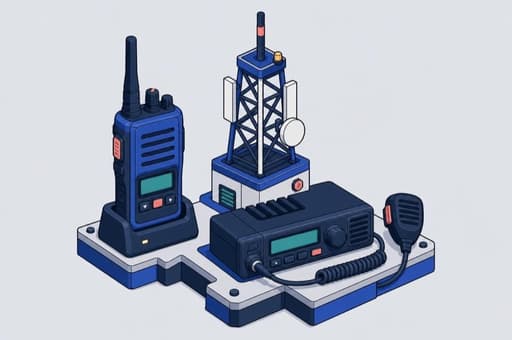
ASTRO P25, APX and Other LMR Systems
Roughly half of sales comes from hardened radios and the private networks that connect them. The new D-Series network gear begins the first major refresh in about a dozen years; customer acceptance and component costs bear watching.
Competes with VIDA P25 networks and XL radios (L3Harris) · Tait P25 networks and TP9900 radios (Tait Communications)
In plain English
Imagine a private mobile-phone network reserved for police, firefighters or soldiers when ordinary service is crowded or unavailable. Motorola supplies the handheld and vehicle radios, the towers and control equipment, and the work needed to make every part communicate.
Agencies pay upfront for equipment and installation, then replace pieces over long cycles because these networks can remain in service for decades. Reliability, coverage and the ability for different teams to speak together matter more than having the newest gadget, which makes each big system win valuable and slow to dislodge.
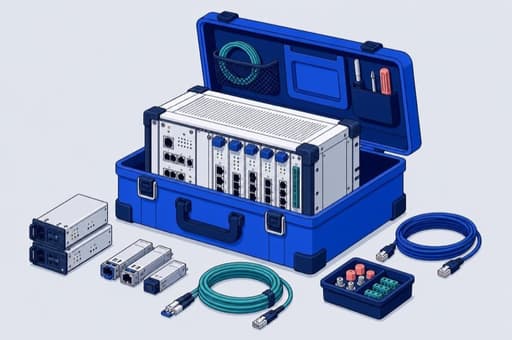
Mission Critical Networks Managed & Support Services
Monitoring, repairs, security updates and network operation turn installed radio systems into repeat fees. The company has $15.742 billion of work booked ahead, much of it in software and services; U.K. price controls are the watchpoint.
Competes with TaitManage Infrastructure and Subscribers (Tait Communications) · VIDA management services (L3Harris)
In plain English
After the radios go live, someone has to keep them alive. Motorola watches networks for trouble, repairs equipment, installs updates, protects them from attacks and sometimes runs the whole system for its owner.
Governments and other network owners sign multi-year agreements because an emergency network cannot simply go dark while staff hunt for a repair shop. That produces steadier fees than a one-time radio sale and binds service work to a large installed base. The catch is Airwave in the United Kingdom, where regulators set prices even though service continues through the end of 2029.
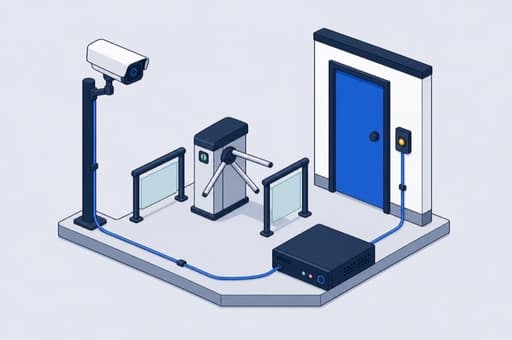
Video Security & Access Control
Cameras, door controls and monitoring software protect buildings, vehicles and public spaces. Roughly five million fixed cameras already create follow-on demand for software, storage and replacements; privacy rules and hosted-service reliability matter.
Competes with Verkada Command (Verkada) · AXIS Camera Station Pro (Axis Communications) · Axon Body 4 and Evidence (Axon)
In plain English
A school, hospital or factory can buy the eyes on the wall, the lock on the door and the software that watches both from Motorola. The range includes fixed, body-worn and vehicle cameras, number-plate readers, sensors and remote monitoring.
Customers pay upfront for devices and installation, then may keep paying for video storage, software, monitoring and eventual replacements. Avigilon Alta runs through software hosted by Motorola, while Avigilon Unity runs on the customer's own computers. Selling the pieces together makes it easier for a security team to follow an event from a camera view to a locked entrance.
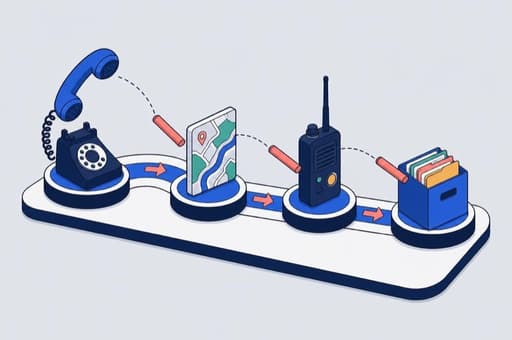
Command Center
Software carries an emergency from the first call through dispatch, records and evidence. First-half 2026 sales grew 19.6%, the fastest of the three established lines; lengthy public-agency changeovers remain the brake.
Competes with Mark43 CAD and RMS (Mark43) · Public Safety Suite and ONESolution (CentralSquare)
In plain English
When an emergency call arrives, this is the digital path that turns a voice into a dispatched crew and, later, a case record. It links call taking, maps, responder coordination, reports and stored evidence so information does not have to be copied between separate systems.
Emergency centers and agencies pay for software access, hosting, support and the work of moving old records into the new setup. Once installed, it becomes part of daily operations, encouraging renewals. New Assist tools can suggest answers or summarize information for specific jobs, but agencies still face a long buying and changeover process.
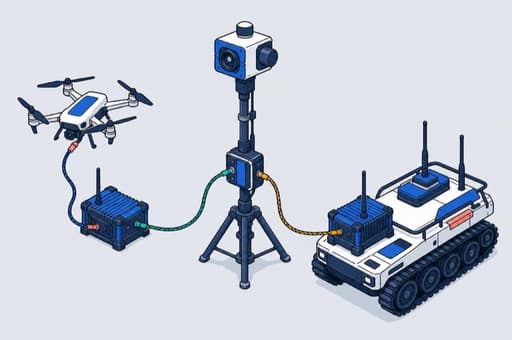
Silvus StreamCaster and Spectrum Dominance
Silvus radios let moving defense equipment share information without a normal tower and resist hostile interference. It was a small post-deal slice in FY2025, but management's FY2026 sales guide reached $850 million; added production capacity now matters.
Competes with Wave Relay and MPU5 (Persistent Systems) · TSM waveform and radios (TrellisWare)
In plain English
Silvus makes rugged radios that form their own moving web. Drones, vehicles, cameras and people can pass information from one radio to the next when fixed towers are absent, damaged or unsafe, while added software helps the signal avoid deliberate disruption and become harder to spot.
Defense buyers purchase the radio boxes and the software, while equipment makers such as Anduril and AeroVironment build them into larger systems. More vehicles or flying machines mean more connection points to sell. Orders can be large, but delivery depends on government budgets, export permission, electronic parts and enough factory capacity.
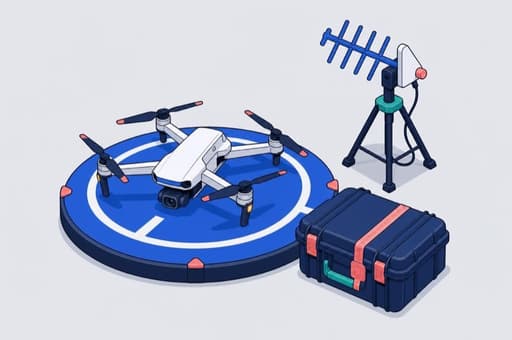
D-Fend Solutions EnforceAir2
EnforceAir2 finds an unwanted drone, locates its operator and can take control of supported threats to land them safely. Motorola bought the business after FY2025; its growth depends on where authorities permit detection and takeover.
Competes with DedroneTracker and Defender 2 (Dedrone) · DroneSentry and DroneGun (DroneShield)
In plain English
Instead of knocking a suspicious drone out of the sky, EnforceAir2 listens for its radio conversation. It identifies the machine and its operator, then can take over the control link and guide supported drones to a safe landing without routinely blocking every nearby signal.
Airports, utilities, venues, military bases and border teams pay for detection equipment, antennas, software and deployment. The appeal is a controlled response that can preserve evidence and avoid falling debris. The limit is legal as much as technical: local rules decide who may detect a drone or interfere with its controls.


 ASTRO P25, APX and Other LMR SystemsRoughly half of sales comes from hardened radios and the private networks that connect them. The new D-Series network gear begins the first major refresh in about a dozen years; customer acceptance and component costs bear watching.
Roughly half of sales comes from hardened radios and the private networks that connect them. The new D-Series network gear begins the first major refresh in about a dozen years; customer acceptance and component costs bear watching.
In plain English
Imagine a private mobile-phone network reserved for police, firefighters or soldiers when ordinary service is crowded or unavailable. Motorola supplies the handheld and vehicle radios, the towers and control equipment, and the work needed to make every part communicate.
Agencies pay upfront for equipment and installation, then replace pieces over long cycles because these networks can remain in service for decades. Reliability, coverage and the ability for different teams to speak together matter more than having the newest gadget, which makes each big system win valuable and slow to dislodge.
Competes with VIDA P25 networks and XL radios (L3Harris) · Tait P25 networks and TP9900 radios (Tait Communications)
 Mission Critical Networks Managed & Support ServicesMonitoring, repairs, security updates and network operation turn installed radio systems into repeat fees. The company has $15.742 billion of work booked ahead, much of it in software and services; U.K. price controls are the watchpoint.
Monitoring, repairs, security updates and network operation turn installed radio systems into repeat fees. The company has $15.742 billion of work booked ahead, much of it in software and services; U.K. price controls are the watchpoint.
In plain English
After the radios go live, someone has to keep them alive. Motorola watches networks for trouble, repairs equipment, installs updates, protects them from attacks and sometimes runs the whole system for its owner.
Governments and other network owners sign multi-year agreements because an emergency network cannot simply go dark while staff hunt for a repair shop. That produces steadier fees than a one-time radio sale and binds service work to a large installed base. The catch is Airwave in the United Kingdom, where regulators set prices even though service continues through the end of 2029.
Competes with TaitManage Infrastructure and Subscribers (Tait Communications) · VIDA management services (L3Harris)
 Video Security & Access ControlCameras, door controls and monitoring software protect buildings, vehicles and public spaces. Roughly five million fixed cameras already create follow-on demand for software, storage and replacements; privacy rules and hosted-service reliability matter.
Cameras, door controls and monitoring software protect buildings, vehicles and public spaces. Roughly five million fixed cameras already create follow-on demand for software, storage and replacements; privacy rules and hosted-service reliability matter.
In plain English
A school, hospital or factory can buy the eyes on the wall, the lock on the door and the software that watches both from Motorola. The range includes fixed, body-worn and vehicle cameras, number-plate readers, sensors and remote monitoring.
Customers pay upfront for devices and installation, then may keep paying for video storage, software, monitoring and eventual replacements. Avigilon Alta runs through software hosted by Motorola, while Avigilon Unity runs on the customer's own computers. Selling the pieces together makes it easier for a security team to follow an event from a camera view to a locked entrance.
Competes with Verkada Command (Verkada) · AXIS Camera Station Pro (Axis Communications) · Axon Body 4 and Evidence (Axon)
 Command CenterSoftware carries an emergency from the first call through dispatch, records and evidence. First-half 2026 sales grew 19.6%, the fastest of the three established lines; lengthy public-agency changeovers remain the brake.
Software carries an emergency from the first call through dispatch, records and evidence. First-half 2026 sales grew 19.6%, the fastest of the three established lines; lengthy public-agency changeovers remain the brake.
In plain English
When an emergency call arrives, this is the digital path that turns a voice into a dispatched crew and, later, a case record. It links call taking, maps, responder coordination, reports and stored evidence so information does not have to be copied between separate systems.
Emergency centers and agencies pay for software access, hosting, support and the work of moving old records into the new setup. Once installed, it becomes part of daily operations, encouraging renewals. New Assist tools can suggest answers or summarize information for specific jobs, but agencies still face a long buying and changeover process.
Competes with Mark43 CAD and RMS (Mark43) · Public Safety Suite and ONESolution (CentralSquare)
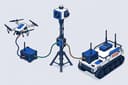 Silvus StreamCaster and Spectrum DominanceSilvus radios let moving defense equipment share information without a normal tower and resist hostile interference. It was a small post-deal slice in FY2025, but management's FY2026 sales guide reached $850 million; added production capacity now matters.
Silvus radios let moving defense equipment share information without a normal tower and resist hostile interference. It was a small post-deal slice in FY2025, but management's FY2026 sales guide reached $850 million; added production capacity now matters.
In plain English
Silvus makes rugged radios that form their own moving web. Drones, vehicles, cameras and people can pass information from one radio to the next when fixed towers are absent, damaged or unsafe, while added software helps the signal avoid deliberate disruption and become harder to spot.
Defense buyers purchase the radio boxes and the software, while equipment makers such as Anduril and AeroVironment build them into larger systems. More vehicles or flying machines mean more connection points to sell. Orders can be large, but delivery depends on government budgets, export permission, electronic parts and enough factory capacity.
Competes with Wave Relay and MPU5 (Persistent Systems) · TSM waveform and radios (TrellisWare)
 D-Fend Solutions EnforceAir2EnforceAir2 finds an unwanted drone, locates its operator and can take control of supported threats to land them safely. Motorola bought the business after FY2025; its growth depends on where authorities permit detection and takeover.
EnforceAir2 finds an unwanted drone, locates its operator and can take control of supported threats to land them safely. Motorola bought the business after FY2025; its growth depends on where authorities permit detection and takeover.
In plain English
Instead of knocking a suspicious drone out of the sky, EnforceAir2 listens for its radio conversation. It identifies the machine and its operator, then can take over the control link and guide supported drones to a safe landing without routinely blocking every nearby signal.
Airports, utilities, venues, military bases and border teams pay for detection equipment, antennas, software and deployment. The appeal is a controlled response that can preserve evidence and avoid falling debris. The limit is legal as much as technical: local rules decide who may detect a drone or interfere with its controls.
Competes with DedroneTracker and Defender 2 (Dedrone) · DroneSentry and DroneGun (DroneShield)
Named in filings, launches and programs
- SVX Video Remote Speaker MicrophoneProductAn APX radio accessory that adds broadband video and audio; shipments began in 2025 and passed roughly fifteen thousand units by early 2026.
- Avigilon Alta and Avigilon UnityPlatformThe hosted and customer-run software suites, respectively, that tie together cameras, access control and security management.
- RapidDeploy Radius MappingPlatformEmergency-call mapping and location software added through the $240 million RapidDeploy purchase in February 2025.
- Assist SuitesPlatformJob-specific artificial-intelligence help for call takers, dispatchers, officers and analysts, offered at $99 per user each month.
- RavePlatformEmergency notifications and incident communications within the Command Center family.
- TheatroBrandVoice and work-coordination software for frontline employees, bought for $174 million in March 2025.
- NogginPlatformSoftware for managing major incidents and keeping operations running, housed in the Command Center catalog.
- ExacomBrandHosted voice and multimedia recording, added through an acquisition in March 2026.
- HyperBrandConversational software acquired in March 2026 to handle non-emergency calls automatically.
- Blue EyeBrandRemote video monitoring service bought for $79 million in November 2025.
- Bell Canada LMR Networks and Services acquisitionCustomer program · AnnouncedA 675 million Canadian-dollar purchase announced in March 2026, expected to add Canadian radio networks and services if it closes.
- T-Mobile T-Priority and T-Satellite collaborationEcosystemConnects APX NEXT users to priority mobile service and direct-to-phone satellite coverage where available.
- Melbourne and Norway nationwide LMR service programsCustomer programLong radio-network service agreements worth $329 million over ten years in Melbourne and $160 million over five years in Norway.
- Maryland, U.S. Navy and South Carolina LMR renewalsCustomer programLarge public-sector renewals that show how radio networks keep producing service and upgrade work after installation.
- Tennessee and U.S. Department of Homeland Security radio programsCustomer programA $180 million Tennessee network expansion and $148 million federal radio-and-video-accessory award mark the current upgrade cycle.
SVX Video Remote Speaker MicrophoneProduct
An APX radio accessory that adds broadband video and audio; shipments began in 2025 and passed roughly fifteen thousand units by early 2026.
Avigilon Alta and Avigilon UnityPlatform
The hosted and customer-run software suites, respectively, that tie together cameras, access control and security management.
RapidDeploy Radius MappingPlatform
Emergency-call mapping and location software added through the $240 million RapidDeploy purchase in February 2025.
Assist SuitesPlatform
Job-specific artificial-intelligence help for call takers, dispatchers, officers and analysts, offered at $99 per user each month.
RavePlatform
Emergency notifications and incident communications within the Command Center family.
TheatroBrand
Voice and work-coordination software for frontline employees, bought for $174 million in March 2025.
NogginPlatform
Software for managing major incidents and keeping operations running, housed in the Command Center catalog.
ExacomBrand
Hosted voice and multimedia recording, added through an acquisition in March 2026.
HyperBrand
Conversational software acquired in March 2026 to handle non-emergency calls automatically.
Blue EyeBrand
Remote video monitoring service bought for $79 million in November 2025.
Bell Canada LMR Networks and Services acquisitionCustomer program · Announced
A 675 million Canadian-dollar purchase announced in March 2026, expected to add Canadian radio networks and services if it closes.
T-Mobile T-Priority and T-Satellite collaborationEcosystem
Connects APX NEXT users to priority mobile service and direct-to-phone satellite coverage where available.
Melbourne and Norway nationwide LMR service programsCustomer program
Long radio-network service agreements worth $329 million over ten years in Melbourne and $160 million over five years in Norway.
Maryland, U.S. Navy and South Carolina LMR renewalsCustomer program
Large public-sector renewals that show how radio networks keep producing service and upgrade work after installation.
Tennessee and U.S. Department of Homeland Security radio programsCustomer program
A $180 million Tennessee network expansion and $148 million federal radio-and-video-accessory award mark the current upgrade cycle.