PepsiCo (PEP)
Pairs Lay’s and Doritos snacks with Pepsi-Cola, Gatorade and other global beverages.
Something off on this page? Send us feedback.
PepsiCo is two businesses riding the same shelves and delivery routes: convenient foods and drinks. North America still pays most of the bills, while faster recent unit growth is coming from smaller international operations and newer drinks are being added through acquisitions and distribution deals. The whole machine depends on repeat purchases, dense delivery routes, shelf space and enough cash to carry heavy debt.
Item facts: FY2025 · year ended Dec 27, 2025, from filings, earnings calls and company pages.
Judgment weights, not filed revenue
The band summarizes business focus and direction. ~ marks estimates.
8 in detail · 17 more below
PepsiCo Beverages North America
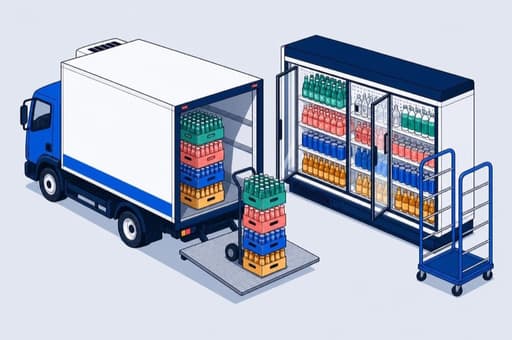
The North American drink system sells PepsiCo and partner beverages. Sales rose 7% in Q2 FY2026 even though fewer drinks moved, so repeat consumption—not higher prices and acquisitions—is the key watch.
Competes with Coca-Cola, Sprite, Powerade and BODYARMOR (The Coca-Cola Company) · Dr Pepper, 7UP and Core Hydration (Keurig Dr Pepper)
In plain English
The familiar cooler is backed by a less visible machine. PepsiCo either makes finished drinks itself or sells flavor base to bottlers, companies that add water, package the drink and deliver it across North America. Its own trucks and route crews also keep busy store shelves stocked.
Grocers, convenience stores, restaurants and other venues pay for drinks or the ingredients used to make them. The system works when people buy often enough to trigger constant refills; packaging, water and shelf access can all squeeze what PepsiCo keeps from each sale.
PepsiCo Foods North America
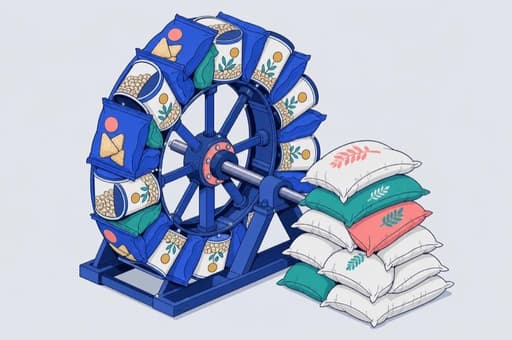
Frito-Lay and Quaker make this the other North American engine. Q2 FY2026 sales fell 2% while the amount of product sold was flat, leaving value-conscious shoppers and healthier eating preferences as the immediate test.
Competes with Utz, On The Border and Zapp's snacks (Utz Brands) · Kettle Brand, Cape Cod and Late July chips (The Campbell's Company)
In plain English
The unglamorous engine that fills pantry shelves. This business makes chips, dips, oats and other grain foods, then sells the finished packages to North American stores. Route employees bring high-turn snacks straight to stores, arrange them and return often to refill what sold.
PepsiCo gets paid when retailers buy those packages; frequent small purchases add up because the route network keeps products easy to find. Crop harvests, cooking-oil costs and packaging affect the cost of each bag or box, while shoppers decide whether a higher price is still worth it.
poppi
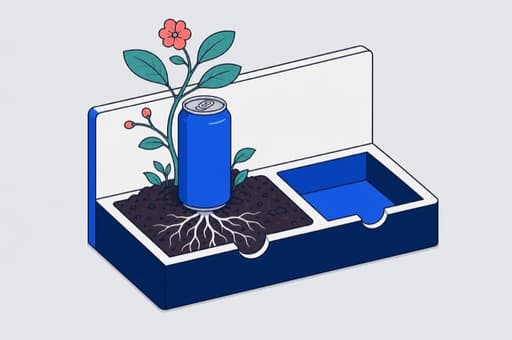
A soda with ingredients meant to support gut bacteria, poppi reached $745 million of 2025 shopper spending. That is not PepsiCo's own revenue; repeat buying and the new British rollout matter now.
Competes with OLIPOP (Olipop) · Simply Pop (The Coca-Cola Company)
In plain English
A fizzy drink with ingredients meant to feed the helpful bacteria in your gut, poppi gives PepsiCo a newer kind of soda beside its established choices. PepsiCo bought the brand in 2025 and can place it on its existing bottling and store-delivery routes.
Retailers pay for cans and reorder when shoppers keep coming back. The large retail-sales figure is what people spent at stores, including the store's cut, and covers months before PepsiCo owned poppi. Britain became the first market outside the United States, testing whether the appeal travels.
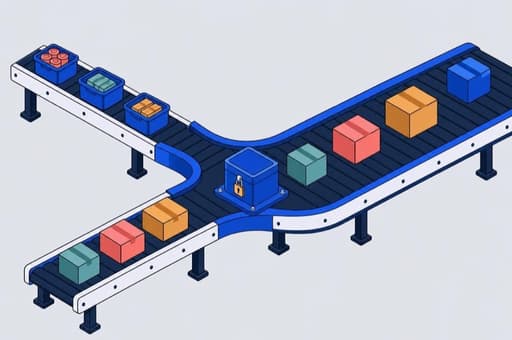
Celsius energy distribution partnership
PepsiCo routes carry Celsius and Alani Nu energy drinks across the United States and Canada. PepsiCo also owns roughly an eleven-percent slice after possible share conversions, but its distribution earnings are not shown separately.
Competes with Monster Energy (Monster Beverage) · Red Bull energy drinks (Red Bull)
In plain English
Here PepsiCo supplies the roads rather than controlling every vehicle. Celsius sets the brand direction for Celsius and Alani Nu, while PepsiCo's delivery network gets the cans into convenience stores, grocers, restaurants and other venues across the United States and Canada.
Those customers order through the shared system, giving PepsiCo a distribution fee or margin that is folded into its North American drink results. PepsiCo also owns a piece of Celsius: if its convertible holdings all become ordinary shares, the piece would be roughly eleven percent. PepsiCo thus has two links to Celsius—delivering products and owning a slice—and neither contribution is shown separately.
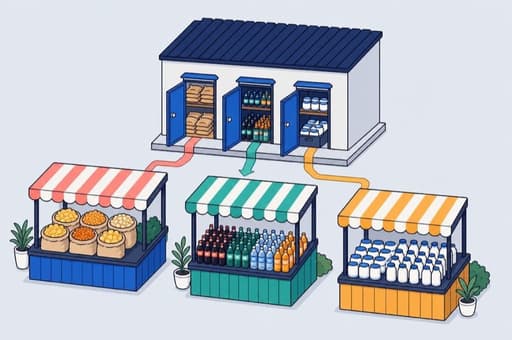
Europe, Middle East and Africa
This broad region mixes snacks, drinks and dairy rather than selling one thing. Q2 FY2026 sales rose 10%, with more food and drinks sold; currencies and local input costs can still reshape the result.
Competes with Seabrook potato crisps (Calbee) · Coca-Cola and Powerade (The Coca-Cola Company)
In plain English
Picture a regional pantry, not a single product line. Across Europe, the Middle East and Africa, PepsiCo sells packaged foods and dairy and also bottles many of its own drinks. Local factories and suppliers feed stores and restaurants through company routes and outside distributors.
Those customers pay for finished products, so both how many items move and the price of each one matter. More food and drink units moved in the latest quarter, a healthier sign than growth created only by price. But crops, energy, water, packaging rules and changing currencies make this a complicated collection of local businesses.
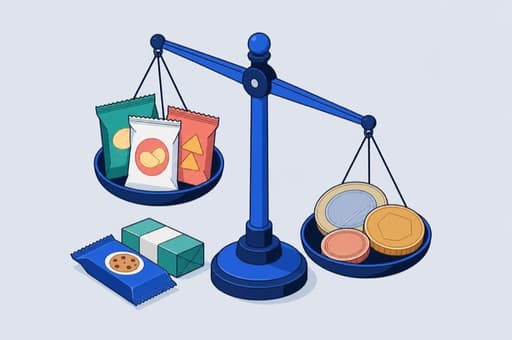
Latin America Foods
Sabritas, Gamesa and PepsiCo's global snack brands fill this regional food business. Q2 FY2026 sales rose 15%, but changing currencies supplied most of that lift while fewer packages sold.
Competes with Takis (Barcel / Grupo Bimbo) · Club Social (Mondelēz)
In plain English
Across Latin America, PepsiCo turns crops, cooking oil and packaging into chips, biscuits and other finished foods. Its dense store-delivery routes and outside distributors reach both small neighborhood shops and larger grocers, with Mexico carrying an especially important part of the business.
Stores buy packages for resale and place the next order when households keep buying. The latest sales jump looks bigger in dollars than it did on shelves: changing currencies supplied most of the rise while fewer units moved. That makes local demand, not the result after converting currencies into dollars, the cleaner signal to follow.
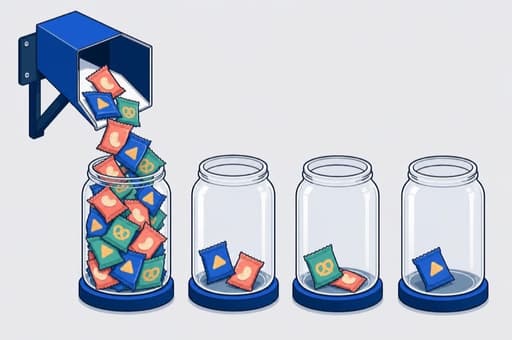
Asia Pacific Foods
The smallest filed segment sells convenient foods from China and India through Australia, New Zealand and nearby markets. In Q2 FY2026 it sold 10% more product, PepsiCo's clearest recent growth in actual goods sold.
Competes with Bingo! chips (ITC) · Calbee Potato Chips and Jagabee (Calbee)
In plain English
The smallest piece is moving the fastest. Asia Pacific Foods makes and sells packaged snacks across a spread of markets that includes China, India, Australia and New Zealand, using PepsiCo routes and local distributors to reach fragmented retail networks.
Retailers and small shops pay for finished packages, and PepsiCo grows when more packages move rather than when currencies merely make overseas sales look larger in dollars. India led the latest advance. Keeping that pace depends on local flavors, dependable crops, enough factory capacity and rules that vary from country to country.
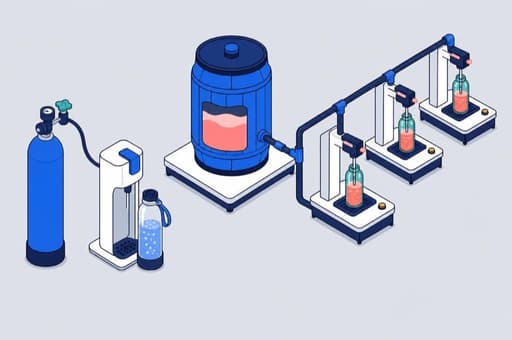
International Beverages Franchise
PepsiCo sells concentrated drink flavor to overseas bottlers and also houses SodaStream here. The amount sold rose 5% in Q2 FY2026, led by India; bottlers must keep investing for the network to grow.
Competes with Coca-Cola, Sprite and Fanta concentrates (The Coca-Cola Company) · Dr Pepper and 7UP systems (Keurig Dr Pepper)
In plain English
Instead of bottling every drink itself, PepsiCo sells concentrated flavoring to approved bottlers outside North America. Those partners add water, package the drinks and deliver them, so PepsiCo collects less sales revenue per serving because the bottler does more of the work.
The same business also contains SodaStream machines, gas cylinders and flavors for making fizzy drinks at home. Bottlers pay for concentrate; households pay retailers for SodaStream products and come back for refills. Growth hangs on local drink demand and on partners earning enough to keep expanding their plants and routes.


 PepsiCo Beverages North AmericaThe North American drink system sells PepsiCo and partner beverages. Sales rose 7% in Q2 FY2026 even though fewer drinks moved, so repeat consumption—not higher prices and acquisitions—is the key watch.
The North American drink system sells PepsiCo and partner beverages. Sales rose 7% in Q2 FY2026 even though fewer drinks moved, so repeat consumption—not higher prices and acquisitions—is the key watch.
In plain English
The familiar cooler is backed by a less visible machine. PepsiCo either makes finished drinks itself or sells flavor base to bottlers, companies that add water, package the drink and deliver it across North America. Its own trucks and route crews also keep busy store shelves stocked.
Grocers, convenience stores, restaurants and other venues pay for drinks or the ingredients used to make them. The system works when people buy often enough to trigger constant refills; packaging, water and shelf access can all squeeze what PepsiCo keeps from each sale.
Competes with Coca-Cola, Sprite, Powerade and BODYARMOR (The Coca-Cola Company) · Dr Pepper, 7UP and Core Hydration (Keurig Dr Pepper)
 PepsiCo Foods North AmericaFrito-Lay and Quaker make this the other North American engine. Q2 FY2026 sales fell 2% while the amount of product sold was flat, leaving value-conscious shoppers and healthier eating preferences as the immediate test.
Frito-Lay and Quaker make this the other North American engine. Q2 FY2026 sales fell 2% while the amount of product sold was flat, leaving value-conscious shoppers and healthier eating preferences as the immediate test.
In plain English
The unglamorous engine that fills pantry shelves. This business makes chips, dips, oats and other grain foods, then sells the finished packages to North American stores. Route employees bring high-turn snacks straight to stores, arrange them and return often to refill what sold.
PepsiCo gets paid when retailers buy those packages; frequent small purchases add up because the route network keeps products easy to find. Crop harvests, cooking-oil costs and packaging affect the cost of each bag or box, while shoppers decide whether a higher price is still worth it.
Competes with Utz, On The Border and Zapp's snacks (Utz Brands) · Kettle Brand, Cape Cod and Late July chips (The Campbell's Company)
 poppiA soda with ingredients meant to support gut bacteria, poppi reached $745 million of 2025 shopper spending. That is not PepsiCo's own revenue; repeat buying and the new British rollout matter now.
A soda with ingredients meant to support gut bacteria, poppi reached $745 million of 2025 shopper spending. That is not PepsiCo's own revenue; repeat buying and the new British rollout matter now.
In plain English
A fizzy drink with ingredients meant to feed the helpful bacteria in your gut, poppi gives PepsiCo a newer kind of soda beside its established choices. PepsiCo bought the brand in 2025 and can place it on its existing bottling and store-delivery routes.
Retailers pay for cans and reorder when shoppers keep coming back. The large retail-sales figure is what people spent at stores, including the store's cut, and covers months before PepsiCo owned poppi. Britain became the first market outside the United States, testing whether the appeal travels.
Competes with OLIPOP (Olipop) · Simply Pop (The Coca-Cola Company)
 Celsius energy distribution partnershipPepsiCo routes carry Celsius and Alani Nu energy drinks across the United States and Canada. PepsiCo also owns roughly an eleven-percent slice after possible share conversions, but its distribution earnings are not shown separately.
PepsiCo routes carry Celsius and Alani Nu energy drinks across the United States and Canada. PepsiCo also owns roughly an eleven-percent slice after possible share conversions, but its distribution earnings are not shown separately.
In plain English
Here PepsiCo supplies the roads rather than controlling every vehicle. Celsius sets the brand direction for Celsius and Alani Nu, while PepsiCo's delivery network gets the cans into convenience stores, grocers, restaurants and other venues across the United States and Canada.
Those customers order through the shared system, giving PepsiCo a distribution fee or margin that is folded into its North American drink results. PepsiCo also owns a piece of Celsius: if its convertible holdings all become ordinary shares, the piece would be roughly eleven percent. PepsiCo thus has two links to Celsius—delivering products and owning a slice—and neither contribution is shown separately.
Competes with Monster Energy (Monster Beverage) · Red Bull energy drinks (Red Bull)
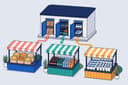 Europe, Middle East and AfricaThis broad region mixes snacks, drinks and dairy rather than selling one thing. Q2 FY2026 sales rose 10%, with more food and drinks sold; currencies and local input costs can still reshape the result.
This broad region mixes snacks, drinks and dairy rather than selling one thing. Q2 FY2026 sales rose 10%, with more food and drinks sold; currencies and local input costs can still reshape the result.
In plain English
Picture a regional pantry, not a single product line. Across Europe, the Middle East and Africa, PepsiCo sells packaged foods and dairy and also bottles many of its own drinks. Local factories and suppliers feed stores and restaurants through company routes and outside distributors.
Those customers pay for finished products, so both how many items move and the price of each one matter. More food and drink units moved in the latest quarter, a healthier sign than growth created only by price. But crops, energy, water, packaging rules and changing currencies make this a complicated collection of local businesses.
Competes with Seabrook potato crisps (Calbee) · Coca-Cola and Powerade (The Coca-Cola Company)
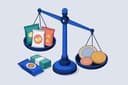 Latin America FoodsSabritas, Gamesa and PepsiCo's global snack brands fill this regional food business. Q2 FY2026 sales rose 15%, but changing currencies supplied most of that lift while fewer packages sold.
Sabritas, Gamesa and PepsiCo's global snack brands fill this regional food business. Q2 FY2026 sales rose 15%, but changing currencies supplied most of that lift while fewer packages sold.
In plain English
Across Latin America, PepsiCo turns crops, cooking oil and packaging into chips, biscuits and other finished foods. Its dense store-delivery routes and outside distributors reach both small neighborhood shops and larger grocers, with Mexico carrying an especially important part of the business.
Stores buy packages for resale and place the next order when households keep buying. The latest sales jump looks bigger in dollars than it did on shelves: changing currencies supplied most of the rise while fewer units moved. That makes local demand, not the result after converting currencies into dollars, the cleaner signal to follow.
Competes with Takis (Barcel / Grupo Bimbo) · Club Social (Mondelēz)
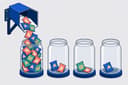 Asia Pacific FoodsThe smallest filed segment sells convenient foods from China and India through Australia, New Zealand and nearby markets. In Q2 FY2026 it sold 10% more product, PepsiCo's clearest recent growth in actual goods sold.
The smallest filed segment sells convenient foods from China and India through Australia, New Zealand and nearby markets. In Q2 FY2026 it sold 10% more product, PepsiCo's clearest recent growth in actual goods sold.
In plain English
The smallest piece is moving the fastest. Asia Pacific Foods makes and sells packaged snacks across a spread of markets that includes China, India, Australia and New Zealand, using PepsiCo routes and local distributors to reach fragmented retail networks.
Retailers and small shops pay for finished packages, and PepsiCo grows when more packages move rather than when currencies merely make overseas sales look larger in dollars. India led the latest advance. Keeping that pace depends on local flavors, dependable crops, enough factory capacity and rules that vary from country to country.
Competes with Bingo! chips (ITC) · Calbee Potato Chips and Jagabee (Calbee)
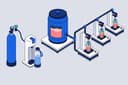 International Beverages FranchisePepsiCo sells concentrated drink flavor to overseas bottlers and also houses SodaStream here. The amount sold rose 5% in Q2 FY2026, led by India; bottlers must keep investing for the network to grow.
PepsiCo sells concentrated drink flavor to overseas bottlers and also houses SodaStream here. The amount sold rose 5% in Q2 FY2026, led by India; bottlers must keep investing for the network to grow.
In plain English
Instead of bottling every drink itself, PepsiCo sells concentrated flavoring to approved bottlers outside North America. Those partners add water, package the drinks and deliver them, so PepsiCo collects less sales revenue per serving because the bottler does more of the work.
The same business also contains SodaStream machines, gas cylinders and flavors for making fizzy drinks at home. Bottlers pay for concentrate; households pay retailers for SodaStream products and come back for refills. Growth hangs on local drink demand and on partners earning enough to keep expanding their plants and routes.
Competes with Coca-Cola, Sprite and Fanta concentrates (The Coca-Cola Company) · Dr Pepper and 7UP systems (Keurig Dr Pepper)
Named in filings, launches and programs
- Walmart and Sam's ClubCustomer programTogether they supplied roughly 14% of company revenue, the only customer relationship disclosed above 10%.
- Siete FoodsBrandMexican-American foods added to the North American food business through a $1.2 billion acquisition completed in January 2025.
- Lay'sBrandPotato chips sold through the North American and international food businesses.
- DoritosBrandTortilla chips sold across every PepsiCo food region.
- CheetosBrandCheese snacks spanning North America and all three international food regions.
- TostitosBrandTortilla chips and dips concentrated in North America and Latin America.
- PepsiBrandCola sold as finished drinks in North America and through concentrate or bottling systems internationally.
- Mountain DewBrandCarbonated drink sold through North American beverages and the international bottler network.
- GatoradeBrandSports hydration sold through North America, Europe, the Middle East, Africa and overseas bottlers.
- PropelBrandWater positioned around function and hydration; management said 2025 retail sales exceeded $1 billion.
- QuakerBrandOat and grain foods sold through North America and every international food region.
- SodaStreamProduct lineHome fizz machines, gas cylinders and flavors housed inside the international drink-syrup business.
- SabraBrandRefrigerated dips wholly owned since December 2024 and counted inside North American foods.
- Pepsi Lipton InternationalEcosystemJoint venture with Unilever for bottled and canned tea in defined international markets.
- North American Coffee PartnershipEcosystemJoint venture with Starbucks for bottled and canned coffee in North America.
- Away-from-home / DRIPS by PepsiServiceSales and digital restaurant help for restaurants, schools, stadiums and similar venues.
- Gatik autonomous freight programCustomer program · RampingDriverless middle-distance freight partnership already operating on selected North American routes when announced in June 2026.
Walmart and Sam's ClubCustomer program
Together they supplied roughly 14% of company revenue, the only customer relationship disclosed above 10%.
Siete FoodsBrand
Mexican-American foods added to the North American food business through a $1.2 billion acquisition completed in January 2025.
Lay'sBrand
Potato chips sold through the North American and international food businesses.
DoritosBrand
Tortilla chips sold across every PepsiCo food region.
CheetosBrand
Cheese snacks spanning North America and all three international food regions.
TostitosBrand
Tortilla chips and dips concentrated in North America and Latin America.
PepsiBrand
Cola sold as finished drinks in North America and through concentrate or bottling systems internationally.
Mountain DewBrand
Carbonated drink sold through North American beverages and the international bottler network.
GatoradeBrand
Sports hydration sold through North America, Europe, the Middle East, Africa and overseas bottlers.
PropelBrand
Water positioned around function and hydration; management said 2025 retail sales exceeded $1 billion.
QuakerBrand
Oat and grain foods sold through North America and every international food region.
SodaStreamProduct line
Home fizz machines, gas cylinders and flavors housed inside the international drink-syrup business.
SabraBrand
Refrigerated dips wholly owned since December 2024 and counted inside North American foods.
Pepsi Lipton InternationalEcosystem
Joint venture with Unilever for bottled and canned tea in defined international markets.
North American Coffee PartnershipEcosystem
Joint venture with Starbucks for bottled and canned coffee in North America.
Away-from-home / DRIPS by PepsiService
Sales and digital restaurant help for restaurants, schools, stadiums and similar venues.
Gatik autonomous freight programCustomer program · Ramping
Driverless middle-distance freight partnership already operating on selected North American routes when announced in June 2026.