
Ross Stores (ROST)
Runs two off-price banners for branded apparel, footwear, accessories, and home fashions.
Something off on this page? Send us feedback.
Ross Stores is a store-only bargain retailer: it buys branded clothing and home goods when suppliers have extras, then sells them through two chains. Ross Dress for Less remains the overwhelmingly dominant banner, while the smaller dd’s chain and a faster store-opening plan provide the clearest route to growth.
Item facts: FY2025 · year ended Jan 31, 2026, from filings, earnings calls and company pages.
Judgment weights, not filed revenue
The band summarizes business focus and direction. ~ marks estimates.
6 in detail · 10 more below
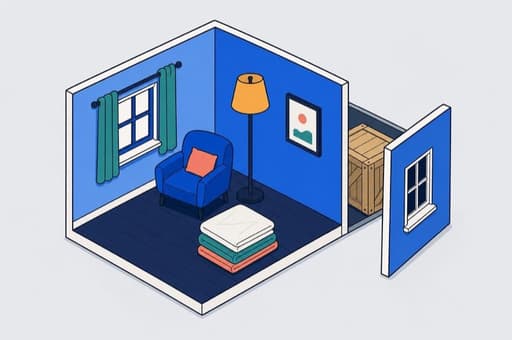
Home Accents and Bed and Bath
Ross’s largest merchandise class covers decor, furniture, bedding and bath goods and produced about $5.92 billion in fiscal 2025. In fiscal 2026’s second quarter, management called home one of its strongest businesses; watch whether that strength lasts.
Competes with HomeGoods and Homesense (TJX) · Burlington Home (Burlington Stores)
In plain English
Picture the home aisles as a constantly changing sample apartment: a lamp today, sheets tomorrow, then a small table that may never return. Ross buys extra goods, canceled orders and some products made directly for it by home brands and factories, often late enough to bargain hard.
Shoppers pay at the store for the individual finds, usually below regular department-store prices. Fresh deliveries several times a week encourage repeat visits, while bulky items make shipping, storage and import costs especially important.
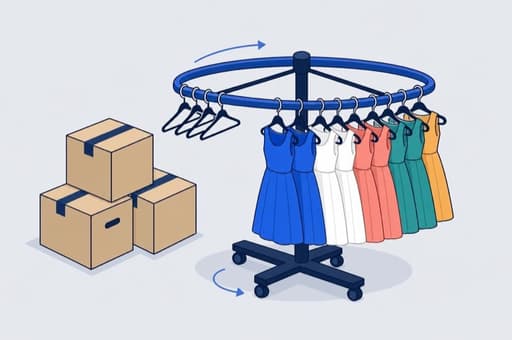
Ladies
Women’s apparel supplied about $5.01 billion of fiscal 2025 sales, making it the second-largest merchandise class. Its share edged higher in fiscal 2026’s first half as Ross broadened its branded selection; watch whether better labels keep drawing visits.
Competes with T.J. Maxx women’s apparel (TJX) · Burlington Ladies and Juniors (Burlington Stores)
In plain English
This is the women’s clothing section, filled less like a permanent catalog and more like a rack that gets rebuilt whenever a good deal appears. Buyers take suppliers’ extra goods, canceled orders and clothing made for Ross, then divide them among local stores.
Women pay for each piece at checkout, drawn by recognizable brands, fit and a lower price. Because there is no online clothing shop, the right sizes and styles must reach the right store; mistakes linger on racks and eventually need steeper price cuts.
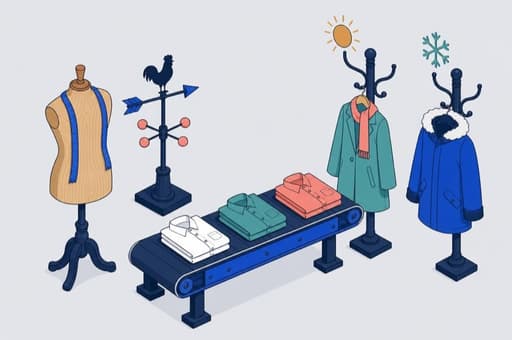
Men’s
Men’s clothing brought in about $3.41 billion in fiscal 2025, though its portion of the business slipped from the prior year. A rebound in fiscal 2026’s second quarter offers some reassurance; the test is whether it lasts across seasons.
Competes with Marshalls men’s assortment (TJX) · Burlington Mens (Burlington Stores)
In plain English
The unglamorous challenge here is matching brand, size and weather before a shirt or jacket goes stale. Ross’s buyers purchase extra or specially made men’s clothing cheaply, send it through warehouses and refresh physical stores throughout the week.
Men and family shoppers pay item by item, often because a familiar label costs less than at a regular retailer. Fast sales free rack space for the next deal. Slow sales force price cuts, so local selection and timing matter as much as the bargain itself.
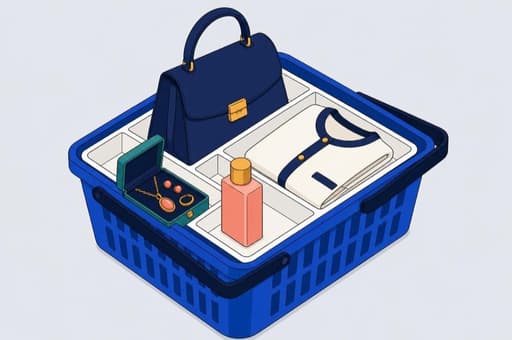
Accessories, Lingerie, Fine Jewelry, and Cosmetics
This broad collection of accessories, lingerie, jewelry and beauty generated about $3.41 billion in fiscal 2025 and has held a steady share for years. Cosmetics was among the strongest areas in fiscal 2026’s second quarter, so watch what grows within it.
Competes with T.J. Maxx jewelry, accessories, and beauty (TJX) · Burlington Beauty and Accessories (Burlington Stores)
In plain English
Small things add up. A handbag, underwear, earrings or makeup can be a planned purchase, a gift or an extra slipped into the basket after a shopper came for clothes. Ross buys these goods from category brands when attractive lots become available and places them in departments or near checkout.
The shopper pays once at the register, and the add-on raises the total purchase without requiring another visit. Ross must protect product authenticity and safety while limiting theft; trouble on any of those fronts can erase the benefit of an easy extra sale.
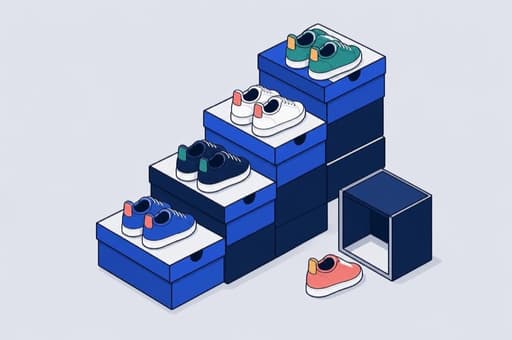
Shoes
Family footwear produced about $2.96 billion in fiscal 2025 after gaining share from the prior year. The category now needs a steady flow of wanted brands and complete size runs, especially around school and seasonal changes.
Competes with Marshalls footwear (TJX) · Burlington Shoes (Burlington Stores)
In plain English
A shoe sale needs two matches at once: the style must appeal and the size must fit. Buyers gather brands’ extra shoes and pairs made for Ross, then split them among stores where customers can try them on.
Families pay for replacement, school, sport and fashion footwear at checkout, usually below regular retail prices. The business works when popular sizes move quickly and clear space for new arrivals. Missing sizes leave lonely pairs behind, while bad seasonal timing leads to price cuts.
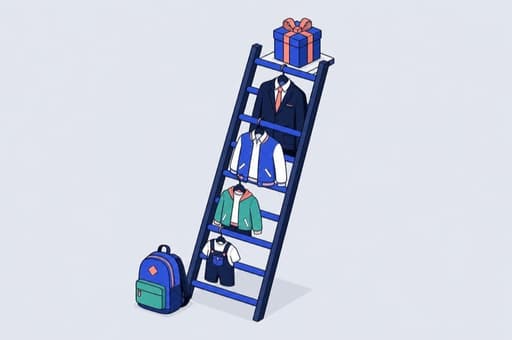
Children’s
Children’s goods were the smallest merchandise class but still delivered about $2.05 billion in fiscal 2025. Their share held in fiscal 2026’s first half; school, holiday and fast-changing sizes make seasonal timing the main thing to watch.
Competes with Burlington Kids and Baby (Burlington Stores) · T.J. Maxx and Marshalls family apparel (TJX)
In plain English
Kids outgrow clothes, school terms arrive and holidays create gift lists, so this department runs on recurring family needs. Ross buys children’s branded goods when suppliers have extras or when its buyers arrange production, then sends changing assortments to both store chains.
Parents and gift buyers pay at the register for clothing and related finds. A family visit can also fill the basket with adult clothing or home goods. Safety, the right size range and timely seasonal delivery matter because children’s items have short windows to sell well.


 Home Accents and Bed and BathRoss’s largest merchandise class covers decor, furniture, bedding and bath goods and produced about $5.92 billion in fiscal 2025. In fiscal 2026’s second quarter, management called home one of its strongest businesses; watch whether that strength lasts.
Ross’s largest merchandise class covers decor, furniture, bedding and bath goods and produced about $5.92 billion in fiscal 2025. In fiscal 2026’s second quarter, management called home one of its strongest businesses; watch whether that strength lasts.
In plain English
Picture the home aisles as a constantly changing sample apartment: a lamp today, sheets tomorrow, then a small table that may never return. Ross buys extra goods, canceled orders and some products made directly for it by home brands and factories, often late enough to bargain hard.
Shoppers pay at the store for the individual finds, usually below regular department-store prices. Fresh deliveries several times a week encourage repeat visits, while bulky items make shipping, storage and import costs especially important.
Competes with HomeGoods and Homesense (TJX) · Burlington Home (Burlington Stores)
 LadiesWomen’s apparel supplied about $5.01 billion of fiscal 2025 sales, making it the second-largest merchandise class. Its share edged higher in fiscal 2026’s first half as Ross broadened its branded selection; watch whether better labels keep drawing visits.
Women’s apparel supplied about $5.01 billion of fiscal 2025 sales, making it the second-largest merchandise class. Its share edged higher in fiscal 2026’s first half as Ross broadened its branded selection; watch whether better labels keep drawing visits.
In plain English
This is the women’s clothing section, filled less like a permanent catalog and more like a rack that gets rebuilt whenever a good deal appears. Buyers take suppliers’ extra goods, canceled orders and clothing made for Ross, then divide them among local stores.
Women pay for each piece at checkout, drawn by recognizable brands, fit and a lower price. Because there is no online clothing shop, the right sizes and styles must reach the right store; mistakes linger on racks and eventually need steeper price cuts.
Competes with T.J. Maxx women’s apparel (TJX) · Burlington Ladies and Juniors (Burlington Stores)
 Men’sMen’s clothing brought in about $3.41 billion in fiscal 2025, though its portion of the business slipped from the prior year. A rebound in fiscal 2026’s second quarter offers some reassurance; the test is whether it lasts across seasons.
Men’s clothing brought in about $3.41 billion in fiscal 2025, though its portion of the business slipped from the prior year. A rebound in fiscal 2026’s second quarter offers some reassurance; the test is whether it lasts across seasons.
In plain English
The unglamorous challenge here is matching brand, size and weather before a shirt or jacket goes stale. Ross’s buyers purchase extra or specially made men’s clothing cheaply, send it through warehouses and refresh physical stores throughout the week.
Men and family shoppers pay item by item, often because a familiar label costs less than at a regular retailer. Fast sales free rack space for the next deal. Slow sales force price cuts, so local selection and timing matter as much as the bargain itself.
Competes with Marshalls men’s assortment (TJX) · Burlington Mens (Burlington Stores)
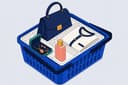 Accessories, Lingerie, Fine Jewelry, and CosmeticsThis broad collection of accessories, lingerie, jewelry and beauty generated about $3.41 billion in fiscal 2025 and has held a steady share for years. Cosmetics was among the strongest areas in fiscal 2026’s second quarter, so watch what grows within it.
This broad collection of accessories, lingerie, jewelry and beauty generated about $3.41 billion in fiscal 2025 and has held a steady share for years. Cosmetics was among the strongest areas in fiscal 2026’s second quarter, so watch what grows within it.
In plain English
Small things add up. A handbag, underwear, earrings or makeup can be a planned purchase, a gift or an extra slipped into the basket after a shopper came for clothes. Ross buys these goods from category brands when attractive lots become available and places them in departments or near checkout.
The shopper pays once at the register, and the add-on raises the total purchase without requiring another visit. Ross must protect product authenticity and safety while limiting theft; trouble on any of those fronts can erase the benefit of an easy extra sale.
Competes with T.J. Maxx jewelry, accessories, and beauty (TJX) · Burlington Beauty and Accessories (Burlington Stores)
 ShoesFamily footwear produced about $2.96 billion in fiscal 2025 after gaining share from the prior year. The category now needs a steady flow of wanted brands and complete size runs, especially around school and seasonal changes.
Family footwear produced about $2.96 billion in fiscal 2025 after gaining share from the prior year. The category now needs a steady flow of wanted brands and complete size runs, especially around school and seasonal changes.
In plain English
A shoe sale needs two matches at once: the style must appeal and the size must fit. Buyers gather brands’ extra shoes and pairs made for Ross, then split them among stores where customers can try them on.
Families pay for replacement, school, sport and fashion footwear at checkout, usually below regular retail prices. The business works when popular sizes move quickly and clear space for new arrivals. Missing sizes leave lonely pairs behind, while bad seasonal timing leads to price cuts.
Competes with Marshalls footwear (TJX) · Burlington Shoes (Burlington Stores)
 Children’sChildren’s goods were the smallest merchandise class but still delivered about $2.05 billion in fiscal 2025. Their share held in fiscal 2026’s first half; school, holiday and fast-changing sizes make seasonal timing the main thing to watch.
Children’s goods were the smallest merchandise class but still delivered about $2.05 billion in fiscal 2025. Their share held in fiscal 2026’s first half; school, holiday and fast-changing sizes make seasonal timing the main thing to watch.
In plain English
Kids outgrow clothes, school terms arrive and holidays create gift lists, so this department runs on recurring family needs. Ross buys children’s branded goods when suppliers have extras or when its buyers arrange production, then sends changing assortments to both store chains.
Parents and gift buyers pay at the register for clothing and related finds. A family visit can also fill the basket with adult clothing or home goods. Safety, the right size range and timely seasonal delivery matter because children’s items have short windows to sell well.
Competes with Burlington Kids and Baby (Burlington Stores) · T.J. Maxx and Marshalls family apparel (TJX)
Named in filings, launches and programs
- Ross Dress for LessBrandThe dominant chain, serving mainly middle-income households with branded apparel and home goods at lower-than-regular prices in physical stores.
- dd’s DISCOUNTSBrandThe smaller, lower-price chain for lower-to-moderate-income households; management is accelerating openings after reporting solid recent sales.
- Ross Credit Card ProgramCustomer programBank-issued Ross cards offer an opening-purchase discount and rewards on Ross spending; Ross does not say how much the program earns.
- Ross Gift CardsCustomer programPhysical and virtual gift cards sell online, even though customers still must visit a store to buy merchandise.
- Packaway MerchandiseEcosystemAttractive purchases held for a later selling season, usually under six months, represented roughly a third of recent inventory.
- Fiscal 2026 Store Expansion ProgramEcosystem · RampingThe fiscal 2026 plan calls for 115 gross openings, mostly Ross stores, while keeping a roughly five-percent yearly growth goal.
- Rite Aid Site AcquisitionEcosystem · RampingFormer pharmacy sites, mainly on the West Coast, supply locations for the fiscal 2026 pipeline and the renewed dd’s expansion.
- Buckeye Distribution CenterEcosystemThe eighth goods-processing center opened in Arizona in May 2025, adding network capacity but initially raising distribution costs.
- Randleman Distribution CenterEcosystem · AnnouncedA North Carolina processing center under construction is part of the company’s higher fiscal 2026 spending plan.
- Digital Marketing and Customer AnalyticsCustomer program · RampingRoss is shifting advertising online and buying card data to distinguish new, returning and established shoppers; no program revenue is disclosed.
Ross Dress for LessBrand
The dominant chain, serving mainly middle-income households with branded apparel and home goods at lower-than-regular prices in physical stores.
dd’s DISCOUNTSBrand
The smaller, lower-price chain for lower-to-moderate-income households; management is accelerating openings after reporting solid recent sales.
Ross Credit Card ProgramCustomer program
Bank-issued Ross cards offer an opening-purchase discount and rewards on Ross spending; Ross does not say how much the program earns.
Ross Gift CardsCustomer program
Physical and virtual gift cards sell online, even though customers still must visit a store to buy merchandise.
Packaway MerchandiseEcosystem
Attractive purchases held for a later selling season, usually under six months, represented roughly a third of recent inventory.
Fiscal 2026 Store Expansion ProgramEcosystem · Ramping
The fiscal 2026 plan calls for 115 gross openings, mostly Ross stores, while keeping a roughly five-percent yearly growth goal.
Rite Aid Site AcquisitionEcosystem · Ramping
Former pharmacy sites, mainly on the West Coast, supply locations for the fiscal 2026 pipeline and the renewed dd’s expansion.
Buckeye Distribution CenterEcosystem
The eighth goods-processing center opened in Arizona in May 2025, adding network capacity but initially raising distribution costs.
Randleman Distribution CenterEcosystem · Announced
A North Carolina processing center under construction is part of the company’s higher fiscal 2026 spending plan.
Digital Marketing and Customer AnalyticsCustomer program · Ramping
Ross is shifting advertising online and buying card data to distinguish new, returning and established shoppers; no program revenue is disclosed.