
Spotify (SPOT)
Streams licensed music, podcasts, and audiobooks through a free ad-supported tier and a paid Premium subscription.
Something off on this page? Send us feedback.
Spotify is a paid music-and-audio membership business with a huge free audience feeding it listeners and ads. Subscriptions still pay almost all the bills, while podcasts, audiobooks, artist tools, and personalized features are being layered on to keep people listening and open smaller new ways to earn.
Item facts: FY2025 · year ended Dec 31, 2025, from filings, earnings calls and company pages.
Judgment weights, not filed revenue
The band summarizes business focus and direction. ~ marks estimates.
7 in detail · 8 more below
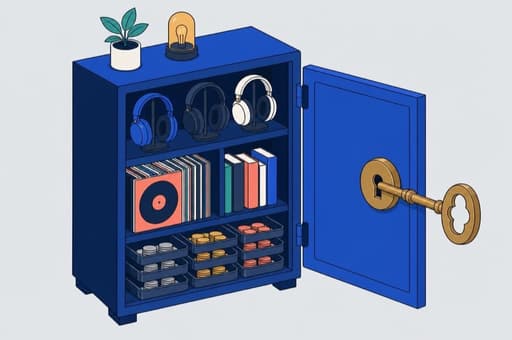
Premium
The monthly plans are Spotify's engine, bringing in €15.35 billion in FY2025. Watch whether higher prices and extras lift revenue without sending listeners back to the free service.
Competes with Apple Music (Apple) · Deezer Premium (Deezer)
In plain English
Think of Premium as an all-you-can-listen pass. One person, a couple, a family, or a student pays each month to choose music and podcasts without ad breaks, download them, and use included extras such as audiobook hours.
People keep paying because their saved music, recommendations, and listening habits make the service familiar. Spotify collects the monthly fee, then pays labels, publishers, songwriters, and other rights owners under agreements tied to revenue or listening. Universal, Sony, Warner, and Merlin supplied about seven in ten label-delivered streams, so those licenses remain the bill and dependency behind nearly every listen.
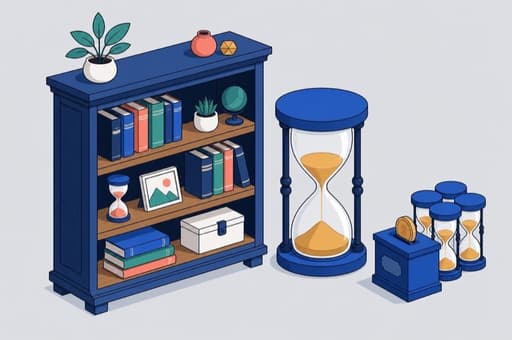
Audiobooks in Premium and Audiobooks+
Included book hours make Premium stickier; extra listening is sold separately. By August 2026, the Audiobooks+ add-on had passed a $100 million yearly revenue pace, still small beside the subscription engine.
Competes with Audible Premium Plus (Amazon) · Apple Books audiobooks (Apple)
In plain English
A monthly library allowance now sits inside many Premium plans. Eligible listeners can play up to fifteen hours from a catalog of more than seven hundred thousand audiobooks; people who run out can buy another fifteen-hour allowance or smaller top-ups.
The included time gives members another reason to keep their main subscription. Heavy book listeners pay extra, while publishers, authors, and narrators are paid for the rights and production behind the catalog. The bet is simple: the extra loyalty and add-on sales must more than cover the cost of all that listening.
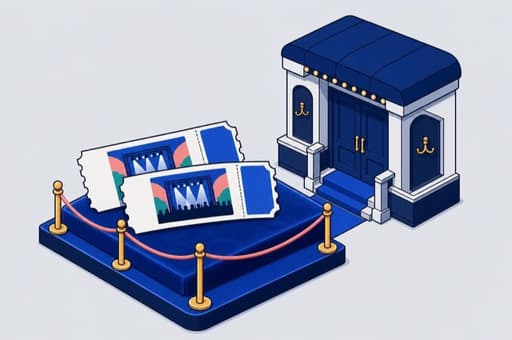
Reserved by Spotify
A loyalty perk sets aside concert tickets for listeners whose music habits and location show demand. Nearly 100,000 tickets had been reserved by August 2026; watch whether scarce access keeps Premium members paying.
Competes with Artist Presale (Ticketmaster) · Citi Entertainment Presale (Citi)
In plain English
The reward is access, not a discount. Eligible adult Premium members in the United States can claim two concert tickets held aside for them, with Spotify using listening and location clues to match likely fans to shows.
Live Nation supplies the ticket allotment and Ticketmaster completes the order. Artists and venues earn the usual ticket money; Spotify has not said it takes a fee. Its payoff is more roundabout: a fan who values hard-to-get tickets may be less willing to cancel the membership that unlocked them.
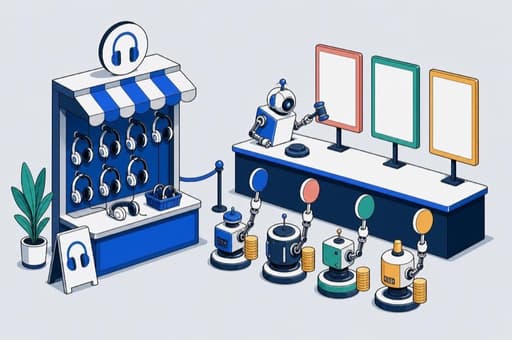
Ad-Supported
Free listening generated €1.84 billion in FY2025, but older direct sales shrank faster than automated buying grew. Watch whether the rebuilt ad system delivers the expected acceleration in late 2026.
Competes with Pandora advertising (SiriusXM Media) · Amazon audio ads (Amazon Ads)
In plain English
The free service is Spotify's shop window. Listeners trade ad breaks and limits on what they can play for access without a monthly bill; some later move through to Premium.
Advertisers pay to place audio, video, podcast, or picture ads in those listening sessions. Some campaigns are arranged directly, while outside buying systems compete automatically for available spots. In FY2025 that newer route grew but did not fully replace shrinking direct sales. Spotify must attract enough advertiser demand, show that ads worked, and keep the experience tolerable for listeners.
Podcasts, Spotify for Creators, and Spotify Partner Program
Audio and video podcasts now support hosting, ads, paid memberships, and creator payments. By May 2026, more than half a billion users had watched or listened to a video podcast, and the podcast business was profitable again.
Competes with YouTube Partner Program and Podcasts (Alphabet) · Apple Podcasts Subscriptions (Apple)
In plain English
Here, listeners are not the only customers. Podcast makers can publish audio or video, see how audiences respond, sell ads or memberships, and receive a share of money tied to ads and Premium video viewing.
Spotify benefits in several places at once: podcasts give paying members more to watch, create ad space for brands, and can bring in creator-service revenue. Outside podcast hosts can plug their shows into the system too. The hard part is keeping creator payments, video costs, ad demand, and safe content in balance while competing with much larger video habits elsewhere.
Spotify for Artists and Campaign Kit
Artist teams manage releases, study listeners, and pay to put new music in front of likely fans. By 2025, the money left after direct costs was roughly four times 2021, though Spotify does not reveal the euros behind it.
Competes with Promote on SoundCloud (SoundCloud) · YouTube for Artists (Alphabet)
In plain English
The unglamorous control room behind a release. Artists, labels, and distributors keep their catalogs tidy, inspect who is listening, pitch songs to playlists, and buy promotion through one set of tools.
A team can pay for prominent release messages or choose a program that pushes a song into likely listeners' recommendations in exchange for Spotify keeping more of the money normally paid when that song plays. That can raise campaign income or reduce music costs. It only works if teams can see extra listening and fans continue to trust that recommendations fit their taste.
AI DJ, Prompted Playlist, Large Taste Model, and Studio by Spotify Labs
AI DJ reached roughly one-quarter of active users by August 2026. These tools are meant to make Spotify harder to leave, while every custom playlist, spoken introduction, and private briefing adds computing cost.
Competes with Maestro (Amazon Music) · Ask Music (YouTube Music)
In plain English
Picture a tireless record-store clerk who remembers every song you skip or replay. Spotify's listening software uses those choices to arrange music, answer playlist requests, and let an automated DJ introduce tracks. A research preview can also build private spoken briefings or podcasts from a user's request.
There is no separate bill for these tools. Spotify expects better matches and easier discovery to keep free listeners engaged and paying members from leaving. The counterweight is cost: each fresh answer uses computing power, and the company must also protect music rights and clearly handle made-up artist profiles.


 PremiumThe monthly plans are Spotify's engine, bringing in €15.35 billion in FY2025. Watch whether higher prices and extras lift revenue without sending listeners back to the free service.
The monthly plans are Spotify's engine, bringing in €15.35 billion in FY2025. Watch whether higher prices and extras lift revenue without sending listeners back to the free service.
In plain English
Think of Premium as an all-you-can-listen pass. One person, a couple, a family, or a student pays each month to choose music and podcasts without ad breaks, download them, and use included extras such as audiobook hours.
People keep paying because their saved music, recommendations, and listening habits make the service familiar. Spotify collects the monthly fee, then pays labels, publishers, songwriters, and other rights owners under agreements tied to revenue or listening. Universal, Sony, Warner, and Merlin supplied about seven in ten label-delivered streams, so those licenses remain the bill and dependency behind nearly every listen.
Competes with Apple Music (Apple) · Deezer Premium (Deezer)
 Audiobooks in Premium and Audiobooks+Included book hours make Premium stickier; extra listening is sold separately. By August 2026, the Audiobooks+ add-on had passed a $100 million yearly revenue pace, still small beside the subscription engine.
Included book hours make Premium stickier; extra listening is sold separately. By August 2026, the Audiobooks+ add-on had passed a $100 million yearly revenue pace, still small beside the subscription engine.
In plain English
A monthly library allowance now sits inside many Premium plans. Eligible listeners can play up to fifteen hours from a catalog of more than seven hundred thousand audiobooks; people who run out can buy another fifteen-hour allowance or smaller top-ups.
The included time gives members another reason to keep their main subscription. Heavy book listeners pay extra, while publishers, authors, and narrators are paid for the rights and production behind the catalog. The bet is simple: the extra loyalty and add-on sales must more than cover the cost of all that listening.
Competes with Audible Premium Plus (Amazon) · Apple Books audiobooks (Apple)
 Reserved by SpotifyA loyalty perk sets aside concert tickets for listeners whose music habits and location show demand. Nearly 100,000 tickets had been reserved by August 2026; watch whether scarce access keeps Premium members paying.
A loyalty perk sets aside concert tickets for listeners whose music habits and location show demand. Nearly 100,000 tickets had been reserved by August 2026; watch whether scarce access keeps Premium members paying.
In plain English
The reward is access, not a discount. Eligible adult Premium members in the United States can claim two concert tickets held aside for them, with Spotify using listening and location clues to match likely fans to shows.
Live Nation supplies the ticket allotment and Ticketmaster completes the order. Artists and venues earn the usual ticket money; Spotify has not said it takes a fee. Its payoff is more roundabout: a fan who values hard-to-get tickets may be less willing to cancel the membership that unlocked them.
Competes with Artist Presale (Ticketmaster) · Citi Entertainment Presale (Citi)
 Ad-SupportedFree listening generated €1.84 billion in FY2025, but older direct sales shrank faster than automated buying grew. Watch whether the rebuilt ad system delivers the expected acceleration in late 2026.
Free listening generated €1.84 billion in FY2025, but older direct sales shrank faster than automated buying grew. Watch whether the rebuilt ad system delivers the expected acceleration in late 2026.
In plain English
The free service is Spotify's shop window. Listeners trade ad breaks and limits on what they can play for access without a monthly bill; some later move through to Premium.
Advertisers pay to place audio, video, podcast, or picture ads in those listening sessions. Some campaigns are arranged directly, while outside buying systems compete automatically for available spots. In FY2025 that newer route grew but did not fully replace shrinking direct sales. Spotify must attract enough advertiser demand, show that ads worked, and keep the experience tolerable for listeners.
Competes with Pandora advertising (SiriusXM Media) · Amazon audio ads (Amazon Ads)
 Podcasts, Spotify for Creators, and Spotify Partner ProgramAudio and video podcasts now support hosting, ads, paid memberships, and creator payments. By May 2026, more than half a billion users had watched or listened to a video podcast, and the podcast business was profitable again.
Audio and video podcasts now support hosting, ads, paid memberships, and creator payments. By May 2026, more than half a billion users had watched or listened to a video podcast, and the podcast business was profitable again.
In plain English
Here, listeners are not the only customers. Podcast makers can publish audio or video, see how audiences respond, sell ads or memberships, and receive a share of money tied to ads and Premium video viewing.
Spotify benefits in several places at once: podcasts give paying members more to watch, create ad space for brands, and can bring in creator-service revenue. Outside podcast hosts can plug their shows into the system too. The hard part is keeping creator payments, video costs, ad demand, and safe content in balance while competing with much larger video habits elsewhere.
Competes with YouTube Partner Program and Podcasts (Alphabet) · Apple Podcasts Subscriptions (Apple)
 Spotify for Artists and Campaign KitArtist teams manage releases, study listeners, and pay to put new music in front of likely fans. By 2025, the money left after direct costs was roughly four times 2021, though Spotify does not reveal the euros behind it.
Artist teams manage releases, study listeners, and pay to put new music in front of likely fans. By 2025, the money left after direct costs was roughly four times 2021, though Spotify does not reveal the euros behind it.
In plain English
The unglamorous control room behind a release. Artists, labels, and distributors keep their catalogs tidy, inspect who is listening, pitch songs to playlists, and buy promotion through one set of tools.
A team can pay for prominent release messages or choose a program that pushes a song into likely listeners' recommendations in exchange for Spotify keeping more of the money normally paid when that song plays. That can raise campaign income or reduce music costs. It only works if teams can see extra listening and fans continue to trust that recommendations fit their taste.
Competes with Promote on SoundCloud (SoundCloud) · YouTube for Artists (Alphabet)
 AI DJ, Prompted Playlist, Large Taste Model, and Studio by Spotify LabsAI DJ reached roughly one-quarter of active users by August 2026. These tools are meant to make Spotify harder to leave, while every custom playlist, spoken introduction, and private briefing adds computing cost.
AI DJ reached roughly one-quarter of active users by August 2026. These tools are meant to make Spotify harder to leave, while every custom playlist, spoken introduction, and private briefing adds computing cost.
In plain English
Picture a tireless record-store clerk who remembers every song you skip or replay. Spotify's listening software uses those choices to arrange music, answer playlist requests, and let an automated DJ introduce tracks. A research preview can also build private spoken briefings or podcasts from a user's request.
There is no separate bill for these tools. Spotify expects better matches and easier discovery to keep free listeners engaged and paying members from leaving. The counterweight is cost: each fresh answer uses computing power, and the company must also protect music rights and clearly handle made-up artist profiles.
Competes with Maestro (Amazon Music) · Ask Music (YouTube Music)
Named in filings, launches and programs
- Spotify ConnectEcosystemHands playback between phones, speakers, cars, and other hardware across more than two thousand devices from over two hundred brands.
- Spotify for AuthorsPlatformGives authors and publishers listening data and promotion tools for books on Spotify.
- SongDNA / WhoSampledProductShows song credits and musical connections using the WhoSampled database acquired in late 2025.
- MegaphonePlatformSupplies podcast publishing, ad delivery, and money-making tools inside Spotify's creator system.
- The RingerBrandSpotify-owned podcast and media network that supplies shows, listeners, and advertising space.
- WrappedCustomer programTurns each listener's year into a personalized recap designed to bring people back and encourage sharing.
- Jam and MessagesEcosystemShared listening and in-app conversation features that make music a group habit rather than a solo utility.
- Fan-Made Covers and RemixesProduct · Pre-revenuePlanned creation tools built around permission, credit, and payment; more work remained before launch and meaningful revenue was expected to take time.
Spotify ConnectEcosystem
Hands playback between phones, speakers, cars, and other hardware across more than two thousand devices from over two hundred brands.
Spotify for AuthorsPlatform
Gives authors and publishers listening data and promotion tools for books on Spotify.
SongDNA / WhoSampledProduct
Shows song credits and musical connections using the WhoSampled database acquired in late 2025.
MegaphonePlatform
Supplies podcast publishing, ad delivery, and money-making tools inside Spotify's creator system.
The RingerBrand
Spotify-owned podcast and media network that supplies shows, listeners, and advertising space.
WrappedCustomer program
Turns each listener's year into a personalized recap designed to bring people back and encourage sharing.
Jam and MessagesEcosystem
Shared listening and in-app conversation features that make music a group habit rather than a solo utility.
Fan-Made Covers and RemixesProduct · Pre-revenue
Planned creation tools built around permission, credit, and payment; more work remained before launch and meaningful revenue was expected to take time.