
Veeva Systems (VEEV)
Connects life sciences development, quality, data, and commercial workflows in the cloud.
Something off on this page? Send us feedback.
Veeva sells the software one industry runs on — the companies that discover, test, make and sell medicines. Trial paperwork, factory records, regulatory filings, sales visits. Two things are happening at once: the sales system that made its name is being rebuilt on Veeva's own foundations before a rented one expires, and the drug-development side is now the faster-growing half.
Item facts: FY2026 · year ended Jan 31, 2026, from filings, earnings calls and company pages.
Judgment weights, not filed revenue
The band summarizes business focus and direction. ~ marks estimates.
9 in detail · 11 more below
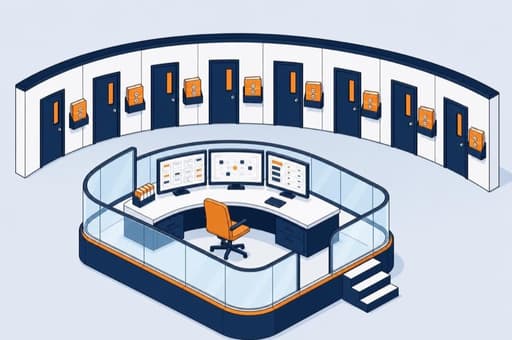
Veeva Vault Clinical
The software that runs clinical trials — the paperwork, the site tracking, and now the patient readings themselves. More than 350 companies use it. Nine of the twenty biggest drugmakers use Veeva to capture trial data; most of the rest are with Medidata.
Competes with Rave EDC / Medidata Clinical Cloud (Dassault Systèmes) · Clinical One (Oracle) · Clinical technology stack (IQVIA)
In plain English
Testing a new medicine takes years, hundreds of clinics, and mountains of paperwork that inspectors can ask to see. Veeva sells the filing cabinet and the control room for all of it: which clinics are running the study, which documents are signed and current, and — in the newer products — the measurements collected from patients.
Drug companies pay a yearly fee for each person who uses it. The rules that govern trials make changing systems costly, so the money is sticky. The older parts, trial documents and study tracking, are mature; the newer part that captures the data itself is early, and it is the one Veeva still has to win.
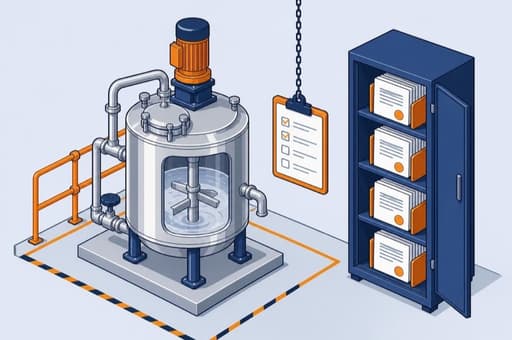
Veeva Vault Quality
The record-keeping system for the factories that make medicines — procedures, things that went wrong, staff training. Steady, roughly a tenth of revenue. The lab piece inside it is one of five products management names as carrying growth to 2030.
Competes with Quality Excellence (MasterControl) · TrackWise Digital (Honeywell)
In plain English
Making medicine is not like making sneakers. Every batch, every cleaned tank, every retrained worker has to be written down, because an inspector can turn up and ask. Veeva Vault Quality is where that writing-down lives: approved procedures, records of what went wrong and what was done about it, and proof that staff were trained.
Manufacturing sites and the contract factories they hire pay a yearly fee per person using it. Demand here grows with the number of plants and products, not with how many trials a company is running — which makes it the calmer end of the drug-development side. The newer lab and worksite-safety pieces are just starting out.
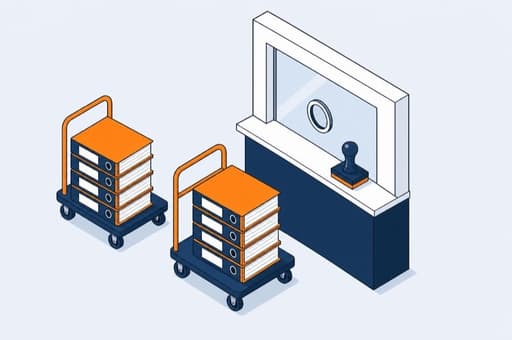
Veeva Vault RIM
Where a company assembles what it files with health authorities and tracks where each medicine is approved. 250+ customers, a mature line growing with its market — and the first landing spot for Veeva's new correspondence agent.
Competes with LifeSphere Regulatory (ArisGlobal) · Ennov RIM (Ennov) · EXTEDO regulatory suite (EXTEDO)
In plain English
Before a medicine can be sold anywhere, someone has to hand that country's regulator a mountain of documents, and then keep answering its questions for as long as the drug is on the market. Different forms, different deadlines, one medicine. Vault RIM is the shared drawer where all of that gets assembled, sent and tracked.
Customers pay yearly for the people who use it. Management counts this among the products that drove the growth it has already had, rather than the growth ahead: the market it sells into grows in single digits. It is also the first place Veeva is pointing its new software agents, which draft replies to letters from regulators.

Veeva Vault Safety
Handles reports of patients harmed by a medicine: collecting each case, checking it, reporting it to authorities. The smallest of the big drug-development lines, and growth has to come from prying customers off Oracle's Argus.
Competes with Argus Safety (Oracle) · LifeSphere Safety / MultiVigilance (ArisGlobal) · PV suite (RxLogix)
In plain English
When someone taking a medicine has a bad reaction, the drugmaker has to record it, work out what happened and tell the authorities. Cases arrive constantly, from doctors, pharmacists and patients. Veeva Vault Safety is the system that catches them and pushes each one through that process.
It is sold as a subscription to the safety departments doing the work — the drugmaker UCB moved its worldwide safety operation onto it. The hard part: most large drugmakers already run Oracle's Argus, so almost every sale is a rip-and-replace, and those are slow. Veeva's new safety agent is being offered even to companies that stay on other vendors' systems.

Vault CRM
The system drug reps use to plan and log visits to doctors. Management puts it at roughly a fifth of revenue now and about a tenth by 2030. Every customer must re-choose before 2030 — and Salesforce now sells a rival.
Competes with Life Sciences Cloud (Salesforce) · Agentforce Life Sciences (Salesforce)
In plain English
Drug companies employ sales reps who call on doctors, and somebody has to decide which doctors, record what was discussed, and make sure only approved material gets shown. That software is where Veeva started.
Here is the awkward part. The original version was built on technology rented from Salesforce — a company that, since October 2025, sells a competing product of its own — and that rental is supported only to the end of 2029. So Veeva is moving the whole base onto its own foundation: more than 180 customers live so far, 12 of the 20 largest drugmakers committed, two still undecided. Customers pay per rep per year either way; the question is whose.

Veeva Vault Commercial Content
Nothing a drugmaker says publicly about a medicine goes out unchecked; this routes each advert, email and slide through its reviewers and stores the approved version. Veeva's new review agent aims at 70% or more of that manual work.
Competes with Vodori MLR platform (Vodori) · Marketing content operations (Aprimo) · Experience Manager Assets (Adobe)
In plain English
Picture a queue of adverts, emails and sales slides, each waiting on a medical reviewer, a lawyer and a regulatory specialist to sign off the wording and the claims. The queue is slow, and it stands between a drugmaker and every word it wants to say in public.
Veeva sells the conveyor that moves each piece through those reviewers, plus the library that holds the approved versions so reps, emails and websites all pull the same file. Customers pay per user per year. It is a steady line — and the one Veeva is aiming its new AI at hardest: Falcon MLR targets removing 70% or more of that manual reviewing within five years.

Professional Services & Business Consulting
The people who install the software, move the old data across and advise on how the work should be organised. $511.1M last year, guided to $602–607M this year. Deliberately near break-even: its job is getting customers live.
Competes with IQVIA Consulting (IQVIA) · Commercial pharma consulting (ZS Associates) · Veeva implementation practice (Accenture)
In plain English
Buying the software is the easy half. Somebody still has to haul twenty years of documents out of the old system, set the new one up the way this particular company works, and retrain the people who touch it every day. Veeva sends its own consultants to do that, and sells plain business advice alongside it.
Customers pay for the work, project by project. Veeva barely profits on it — software and services together run at about three-quarters gross margin, and this is the part pulling that down. It exists to get customers live, and it swells whenever migrations and new AI projects do, which is why this year's guide was raised.
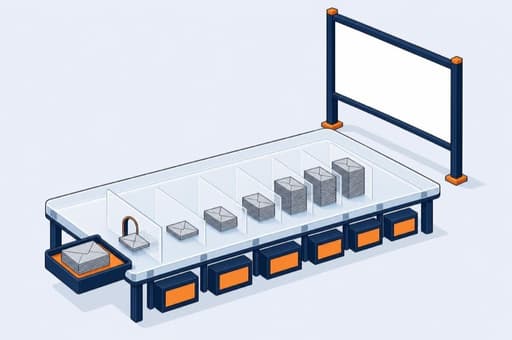
Veeva Data Cloud
The data side: reference lists of doctors and clinics, prescription data, and Crossix, which tells a drugmaker whether its advertising reached the right patients. Paid for out of marketing budgets, so it is lumpy quarter to quarter.
Competes with Prescription, claims and doctor reference data (IQVIA) · Real-world patient data platform (Komodo Health) · Ad measurement for pharma (DeepIntent)
In plain English
Say a drug company spends heavily advertising a heart medicine. Did those ads reach people who actually have heart trouble, and did more of them end up filling a prescription? Crossix, bought in 2019, is built to answer that without ever revealing who any patient is. Around it sit reference lists of doctors and hospitals, prescription and patient data, and tools for tracking the specialists other doctors listen to.
Marketing budgets pay for this, not technology budgets, which makes it livelier and bumpier than the rest of Veeva. Patient-privacy law is the whole licence to operate here: handle the data the wrong way and there is no product.

Veeva Falcon
Software agents meant to do drug-development work people do today: checking trial documents, drafting replies to regulators, sorting incoming safety cases. Five early customers, one a top-20 drugmaker, and no revenue yet.
Competes with CRO-delivered clinical labour (IQVIA) · Agentforce Life Sciences (Salesforce)
In plain English
There is a difference between a tool a person uses and a worker a company hires. Falcon is pitched as the second kind: software that takes a pile of trial documents, checks them and files them, drafts the reply to a letter from a health authority, sorts the safety reports arriving that morning.
That changes how it is sold. Rather than charging for each person with a login, Veeva prices it against the cost of the work it removes — work that is often bought today from clinical outsourcing firms. Five customers are trying it early, wider early access is planned for November 2026, and nothing has been earned from it so far.


 Veeva Vault ClinicalThe software that runs clinical trials — the paperwork, the site tracking, and now the patient readings themselves. More than 350 companies use it. Nine of the twenty biggest drugmakers use Veeva to capture trial data; most of the rest are with Medidata.
The software that runs clinical trials — the paperwork, the site tracking, and now the patient readings themselves. More than 350 companies use it. Nine of the twenty biggest drugmakers use Veeva to capture trial data; most of the rest are with Medidata.
In plain English
Testing a new medicine takes years, hundreds of clinics, and mountains of paperwork that inspectors can ask to see. Veeva sells the filing cabinet and the control room for all of it: which clinics are running the study, which documents are signed and current, and — in the newer products — the measurements collected from patients.
Drug companies pay a yearly fee for each person who uses it. The rules that govern trials make changing systems costly, so the money is sticky. The older parts, trial documents and study tracking, are mature; the newer part that captures the data itself is early, and it is the one Veeva still has to win.
Competes with Rave EDC / Medidata Clinical Cloud (Dassault Systèmes) · Clinical One (Oracle) · Clinical technology stack (IQVIA)
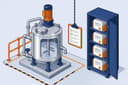 Veeva Vault QualityThe record-keeping system for the factories that make medicines — procedures, things that went wrong, staff training. Steady, roughly a tenth of revenue. The lab piece inside it is one of five products management names as carrying growth to 2030.
The record-keeping system for the factories that make medicines — procedures, things that went wrong, staff training. Steady, roughly a tenth of revenue. The lab piece inside it is one of five products management names as carrying growth to 2030.
In plain English
Making medicine is not like making sneakers. Every batch, every cleaned tank, every retrained worker has to be written down, because an inspector can turn up and ask. Veeva Vault Quality is where that writing-down lives: approved procedures, records of what went wrong and what was done about it, and proof that staff were trained.
Manufacturing sites and the contract factories they hire pay a yearly fee per person using it. Demand here grows with the number of plants and products, not with how many trials a company is running — which makes it the calmer end of the drug-development side. The newer lab and worksite-safety pieces are just starting out.
Competes with Quality Excellence (MasterControl) · TrackWise Digital (Honeywell)
 Veeva Vault RIMWhere a company assembles what it files with health authorities and tracks where each medicine is approved. 250+ customers, a mature line growing with its market — and the first landing spot for Veeva's new correspondence agent.
Where a company assembles what it files with health authorities and tracks where each medicine is approved. 250+ customers, a mature line growing with its market — and the first landing spot for Veeva's new correspondence agent.
In plain English
Before a medicine can be sold anywhere, someone has to hand that country's regulator a mountain of documents, and then keep answering its questions for as long as the drug is on the market. Different forms, different deadlines, one medicine. Vault RIM is the shared drawer where all of that gets assembled, sent and tracked.
Customers pay yearly for the people who use it. Management counts this among the products that drove the growth it has already had, rather than the growth ahead: the market it sells into grows in single digits. It is also the first place Veeva is pointing its new software agents, which draft replies to letters from regulators.
Competes with LifeSphere Regulatory (ArisGlobal) · Ennov RIM (Ennov) · EXTEDO regulatory suite (EXTEDO)
 Veeva Vault SafetyHandles reports of patients harmed by a medicine: collecting each case, checking it, reporting it to authorities. The smallest of the big drug-development lines, and growth has to come from prying customers off Oracle's Argus.
Handles reports of patients harmed by a medicine: collecting each case, checking it, reporting it to authorities. The smallest of the big drug-development lines, and growth has to come from prying customers off Oracle's Argus.
In plain English
When someone taking a medicine has a bad reaction, the drugmaker has to record it, work out what happened and tell the authorities. Cases arrive constantly, from doctors, pharmacists and patients. Veeva Vault Safety is the system that catches them and pushes each one through that process.
It is sold as a subscription to the safety departments doing the work — the drugmaker UCB moved its worldwide safety operation onto it. The hard part: most large drugmakers already run Oracle's Argus, so almost every sale is a rip-and-replace, and those are slow. Veeva's new safety agent is being offered even to companies that stay on other vendors' systems.
Competes with Argus Safety (Oracle) · LifeSphere Safety / MultiVigilance (ArisGlobal) · PV suite (RxLogix)
 Vault CRMThe system drug reps use to plan and log visits to doctors. Management puts it at roughly a fifth of revenue now and about a tenth by 2030. Every customer must re-choose before 2030 — and Salesforce now sells a rival.
The system drug reps use to plan and log visits to doctors. Management puts it at roughly a fifth of revenue now and about a tenth by 2030. Every customer must re-choose before 2030 — and Salesforce now sells a rival.
In plain English
Drug companies employ sales reps who call on doctors, and somebody has to decide which doctors, record what was discussed, and make sure only approved material gets shown. That software is where Veeva started.
Here is the awkward part. The original version was built on technology rented from Salesforce — a company that, since October 2025, sells a competing product of its own — and that rental is supported only to the end of 2029. So Veeva is moving the whole base onto its own foundation: more than 180 customers live so far, 12 of the 20 largest drugmakers committed, two still undecided. Customers pay per rep per year either way; the question is whose.
Competes with Life Sciences Cloud (Salesforce) · Agentforce Life Sciences (Salesforce)
 Veeva Vault Commercial ContentNothing a drugmaker says publicly about a medicine goes out unchecked; this routes each advert, email and slide through its reviewers and stores the approved version. Veeva's new review agent aims at 70% or more of that manual work.
Nothing a drugmaker says publicly about a medicine goes out unchecked; this routes each advert, email and slide through its reviewers and stores the approved version. Veeva's new review agent aims at 70% or more of that manual work.
In plain English
Picture a queue of adverts, emails and sales slides, each waiting on a medical reviewer, a lawyer and a regulatory specialist to sign off the wording and the claims. The queue is slow, and it stands between a drugmaker and every word it wants to say in public.
Veeva sells the conveyor that moves each piece through those reviewers, plus the library that holds the approved versions so reps, emails and websites all pull the same file. Customers pay per user per year. It is a steady line — and the one Veeva is aiming its new AI at hardest: Falcon MLR targets removing 70% or more of that manual reviewing within five years.
Competes with Vodori MLR platform (Vodori) · Marketing content operations (Aprimo) · Experience Manager Assets (Adobe)
 Professional Services & Business ConsultingThe people who install the software, move the old data across and advise on how the work should be organised. $511.1M last year, guided to $602–607M this year. Deliberately near break-even: its job is getting customers live.
The people who install the software, move the old data across and advise on how the work should be organised. $511.1M last year, guided to $602–607M this year. Deliberately near break-even: its job is getting customers live.
In plain English
Buying the software is the easy half. Somebody still has to haul twenty years of documents out of the old system, set the new one up the way this particular company works, and retrain the people who touch it every day. Veeva sends its own consultants to do that, and sells plain business advice alongside it.
Customers pay for the work, project by project. Veeva barely profits on it — software and services together run at about three-quarters gross margin, and this is the part pulling that down. It exists to get customers live, and it swells whenever migrations and new AI projects do, which is why this year's guide was raised.
Competes with IQVIA Consulting (IQVIA) · Commercial pharma consulting (ZS Associates) · Veeva implementation practice (Accenture)
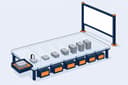 Veeva Data CloudThe data side: reference lists of doctors and clinics, prescription data, and Crossix, which tells a drugmaker whether its advertising reached the right patients. Paid for out of marketing budgets, so it is lumpy quarter to quarter.
The data side: reference lists of doctors and clinics, prescription data, and Crossix, which tells a drugmaker whether its advertising reached the right patients. Paid for out of marketing budgets, so it is lumpy quarter to quarter.
In plain English
Say a drug company spends heavily advertising a heart medicine. Did those ads reach people who actually have heart trouble, and did more of them end up filling a prescription? Crossix, bought in 2019, is built to answer that without ever revealing who any patient is. Around it sit reference lists of doctors and hospitals, prescription and patient data, and tools for tracking the specialists other doctors listen to.
Marketing budgets pay for this, not technology budgets, which makes it livelier and bumpier than the rest of Veeva. Patient-privacy law is the whole licence to operate here: handle the data the wrong way and there is no product.
Competes with Prescription, claims and doctor reference data (IQVIA) · Real-world patient data platform (Komodo Health) · Ad measurement for pharma (DeepIntent)
 Veeva FalconSoftware agents meant to do drug-development work people do today: checking trial documents, drafting replies to regulators, sorting incoming safety cases. Five early customers, one a top-20 drugmaker, and no revenue yet.
Software agents meant to do drug-development work people do today: checking trial documents, drafting replies to regulators, sorting incoming safety cases. Five early customers, one a top-20 drugmaker, and no revenue yet.
In plain English
There is a difference between a tool a person uses and a worker a company hires. Falcon is pitched as the second kind: software that takes a pile of trial documents, checks them and files them, drafts the reply to a letter from a health authority, sorts the safety reports arriving that morning.
That changes how it is sold. Rather than charging for each person with a login, Veeva prices it against the cost of the work it removes — work that is often bought today from clinical outsourcing firms. Five customers are trying it early, wider early access is planned for November 2026, and nothing has been earned from it so far.
Competes with CRO-delivered clinical labour (IQVIA) · Agentforce Life Sciences (Salesforce)
Named in filings, launches and programs
- OstroProduct · RampingAI chat answering patient and doctor questions from approved material; bought March 2026 for about $100M, guided to roughly $10M across this year's last three quarters.
- Veeva Falcon MLRProduct · AnnouncedThe advertising-review agent, built from the Copli purchase in June 2026; targets removing 70% or more of that manual reviewing work within five years.
- Veeva Falcon SafetyProduct · AnnouncedAnnounced September 2026 to work with any safety system meeting the standard reporting format — rivals' systems included, not just Veeva's own.
- Veeva AI Agents in VaultPlatform · RampingAI helpers built into the existing Vault applications, announced October 2025 for December availability — the everyday layer under the bigger Falcon push.
- Veeva AI Partner ProgramEcosystemTechnology access so outside firms can build and sell their own AI tools on top of Veeva's applications.
- Veeva BasicsProduct line · RampingPre-configured clinical and quality editions for small biotechs with no setup cost — a way in for companies that cannot fund a full rollout.
- Veeva AspenProduct · Pre-revenueA start-up inside Veeva building sales software for industries outside medicine, publicly priced at $50 per user per month. No revenue yet.
- Veeva Nitro, Align and Territory DesignerProductCommercial analytics and the tools that carve sales territories into patches, sold alongside Vault CRM.
- Veeva NetworkProductThe shared master list of doctors and hospitals customers keep in sync; the 2025 IQVIA settlement lets IQVIA's data flow into it.
- Veeva Site Solutions / SiteVaultProduct · RampingSoftware for the clinics that actually run trials; a new product for capturing study data at the clinic is being introduced, called very strategic by management.
- Veeva MedTechProduct lineThe medical-device and diagnostics version of the business, with its own commercial and quality products; it came up zero times on the last eight earnings calls.
OstroProduct · Ramping
AI chat answering patient and doctor questions from approved material; bought March 2026 for about $100M, guided to roughly $10M across this year's last three quarters.
Veeva Falcon MLRProduct · Announced
The advertising-review agent, built from the Copli purchase in June 2026; targets removing 70% or more of that manual reviewing work within five years.
Veeva Falcon SafetyProduct · Announced
Announced September 2026 to work with any safety system meeting the standard reporting format — rivals' systems included, not just Veeva's own.
Veeva AI Agents in VaultPlatform · Ramping
AI helpers built into the existing Vault applications, announced October 2025 for December availability — the everyday layer under the bigger Falcon push.
Veeva AI Partner ProgramEcosystem
Technology access so outside firms can build and sell their own AI tools on top of Veeva's applications.
Veeva BasicsProduct line · Ramping
Pre-configured clinical and quality editions for small biotechs with no setup cost — a way in for companies that cannot fund a full rollout.
Veeva AspenProduct · Pre-revenue
A start-up inside Veeva building sales software for industries outside medicine, publicly priced at $50 per user per month. No revenue yet.
Veeva Nitro, Align and Territory DesignerProduct
Commercial analytics and the tools that carve sales territories into patches, sold alongside Vault CRM.
Veeva NetworkProduct
The shared master list of doctors and hospitals customers keep in sync; the 2025 IQVIA settlement lets IQVIA's data flow into it.
Veeva Site Solutions / SiteVaultProduct · Ramping
Software for the clinics that actually run trials; a new product for capturing study data at the clinic is being introduced, called very strategic by management.
Veeva MedTechProduct line
The medical-device and diagnostics version of the business, with its own commercial and quality products; it came up zero times on the last eight earnings calls.