
Arm (ADR) (ARM)
Licenses reusable compute platforms and earns royalties as customer chips ship.
Something off on this page? Send us feedback.
Arm sells the blueprints and building blocks that other companies use to make computer chips, then earns again when those chips ship. Phones still supply the largest royalty stream, while servers are growing fastest. The company is now crossing a major line: alongside licensing designs, it has begun delivering finished server processors, trading some of its tollbooth-like economics for a larger role in the hardware.
Item facts: FY2026 · year ended Mar 31, 2026, from filings, earnings calls and company pages.
Judgment weights, not filed revenue
The band summarizes business focus and direction. ~ marks estimates.
7 in detail · 14 more below
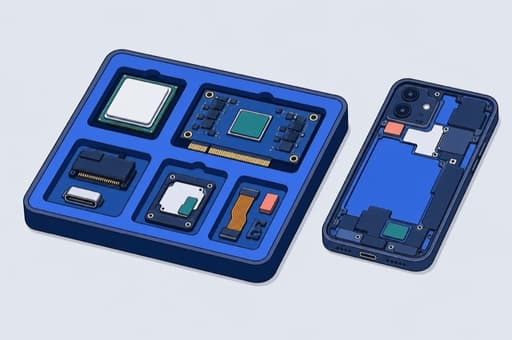
Arm Lumex Compute Subsystems
A near-finished recipe for premium-phone chips, combining the main processor, graphics, connections and setup work. Phone processors supplied 43% of FY2026 royalties; richer designs earn more per device, but weak handset demand can erase that lift.
Competes with Snapdragon with Oryon, Adreno and Hexagon (Qualcomm) · IMG DXT GPU (Imagination Technologies)
In plain English
Instead of handing a phone-chip maker a box of separate parts, Lumex gives it a nearly assembled recipe: the main processor, graphics, connections and instructions for fitting everything together. That can save years of design work and reduce the chance that the pieces clash.
Chip makers such as MediaTek and Samsung pay to use the recipe. Once their chips reach phones, Arm collects a small payment on every one sold. Newer, fuller Arm designs can earn more per phone, but that advantage still depends on how many premium phones people buy.
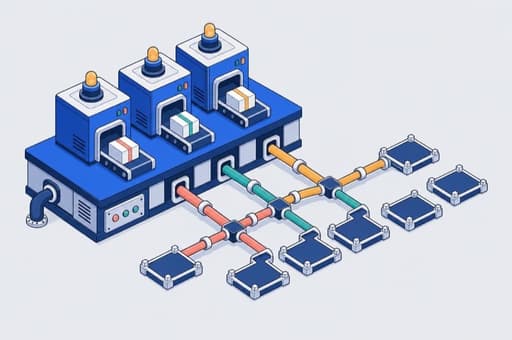
Arm Neoverse
Designs for the processors inside cloud servers, networking gear and AI systems. Data-center royalties more than doubled in each of the three latest quarterly updates; the watchpoint is whether custom customer chips move from design work into mass deployment.
Competes with EPYC 9005 (AMD) · Xeon 6 (Intel) · Performance Processor IP (SiFive)
In plain English
Picture the engine room behind an online service: rows of machines doing searches, storing photos and feeding AI systems. Neoverse is Arm's design kit for the main calculators inside those machines and the equipment that moves their data.
Large operators including Amazon, Google and Microsoft use it to create processors tailored to their own needs. They pay Arm for the designs, then pay again as those custom chips are deployed. The wait is long because a new chip can take four to six years from early design to volume shipments.
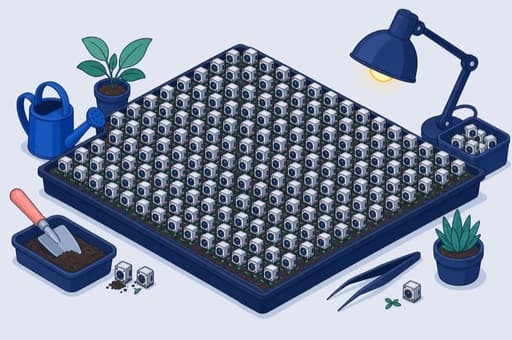
Arm Corstone Subsystems
Ready-made designs for small, low-power chips that add sensing and simple AI to everyday equipment. The wider embedded family may be roughly one-fifth to one-quarter of revenue, but low chip prices mean Arm needs enormous shipment volumes.
Competes with Essential and Intelligence IP (SiFive) · ARC-V and NPX IP (Synopsys)
In plain English
The tiny computer inside a factory sensor or connected appliance does not need server-sized power. Corstone bundles a small main processor with parts for recognizing sounds or images and for moving information around the device. Customers get a tested starting point instead of assembling every piece alone.
Chip makers such as Infineon, NXP and Renesas turn those plans into products for equipment makers. Arm is paid for access and later receives a little money for each chip shipped, so this business wins through very large quantities rather than expensive chips.
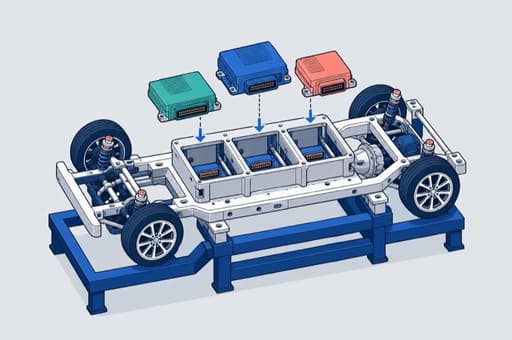
Arm Zena CSS
A more complete design for chips that run driver assistance and dashboard systems. One global electric-car maker has licensed it, but no production date was given, so today's money mostly comes from older Arm automotive designs.
Competes with Snapdragon Ride Flex (Qualcomm) · DRIVE Thor (NVIDIA) · Automotive Processor IP (SiFive)
In plain English
A modern car may have separate computers watching the road, running the dashboard and coordinating other systems. Zena gives car and chip companies a common base for joining those jobs, including the main processing designs and the surrounding connections.
The first customer is an unnamed global electric-car maker. It pays for access while the design is developed; payments on each shipped chip come much later because automotive parts face long safety checks and vehicle-development cycles. For now, the broader car family earns mostly from Arm designs that came before Zena.
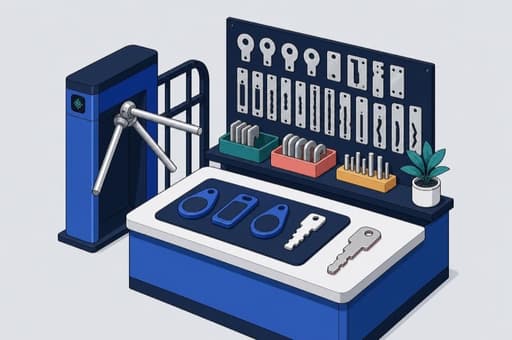
Arm Technology Licensing
Customers subscribe to Arm's design library or buy rights to specific technology. Signed work worth $2.071 billion remained to be delivered at year-end; large renewals make this half of the business much lumpier than payments on shipped chips.
Competes with RISC-V Core IP (SiFive) · ARC-V Processor IP (Synopsys)
In plain English
Think of this as a workshop membership. A chip company can subscribe to a broad shelf of Arm designs, take a cheaper pass that charges when a design is ready for manufacturing, or buy rights to one design or to build its own compatible main processor.
Customers pay fixed or repeating fees as Arm hands over designs, updates and support. They keep paying because the catalog changes and their future chips need current building blocks. The trade-off is timing: one large agreement can make one quarter look unusually strong and the next unusually quiet.
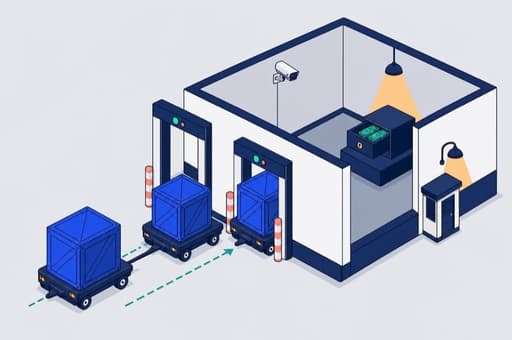
Arm China & SoftBank Programs
Arm China independently resells Arm designs in mainland China, while SoftBank affiliates buy technology and design work. Arm China, SoftBank-related work and one unnamed customer supplied 42% of FY2026 revenue, making a few relationships unusually important.
Competes with RISC-V Core IP (SiFive) · ARC-V Processor IP (Synopsys)
In plain English
Two unusually large doors lead into Arm's business. Arm China is an independent gatekeeper with the exclusive right to resell Arm technology in mainland China. SoftBank, Arm's controlling owner, and its related companies commission licenses and engineering work for their own chip plans.
Arm receives license, service and per-chip payments through the China relationship, while SoftBank-related work pays as agreed milestones are met. Together the two programs produced about $1.50 billion in FY2026. That scale helps growth, but collection, government rules and owner-led demand can quickly matter to the whole company.
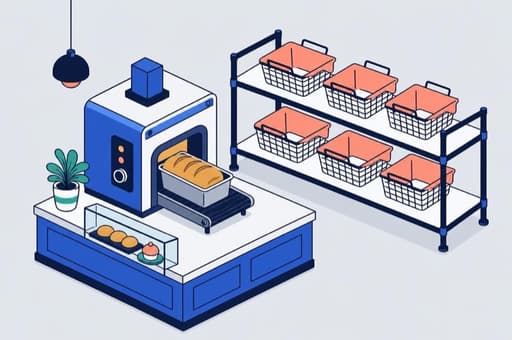
Arm AGI CPU
Arm's first finished data-center processor reached initial customers in July 2026. Arm says demand exceeds $2 billion for FY2027–FY2028, but it has secured production capacity for the first $1 billion, making supply the immediate limit.
Competes with EPYC 9005 (AMD) · Xeon 6 (Intel) · AmpereOne and AmpereOne M (Ampere)
In plain English
For most of its history, Arm sold the recipe and let customers bake the chip. AGI is different: it is a finished main processor that Arm itself sells for servers coordinating AI work. Meta helped shape it, and other operators and computer makers are preparing deployments.
Now Arm must reserve factory, memory, assembly and testing capacity, deliver physical units and carry the costs along the way. Customers pay for each processor rather than just the underlying design. That opens a larger sale, but the first generation is expected to keep less of each dollar than Arm's design business.


 Arm Lumex Compute SubsystemsA near-finished recipe for premium-phone chips, combining the main processor, graphics, connections and setup work. Phone processors supplied 43% of FY2026 royalties; richer designs earn more per device, but weak handset demand can erase that lift.
A near-finished recipe for premium-phone chips, combining the main processor, graphics, connections and setup work. Phone processors supplied 43% of FY2026 royalties; richer designs earn more per device, but weak handset demand can erase that lift.
In plain English
Instead of handing a phone-chip maker a box of separate parts, Lumex gives it a nearly assembled recipe: the main processor, graphics, connections and instructions for fitting everything together. That can save years of design work and reduce the chance that the pieces clash.
Chip makers such as MediaTek and Samsung pay to use the recipe. Once their chips reach phones, Arm collects a small payment on every one sold. Newer, fuller Arm designs can earn more per phone, but that advantage still depends on how many premium phones people buy.
Competes with Snapdragon with Oryon, Adreno and Hexagon (Qualcomm) · IMG DXT GPU (Imagination Technologies)
 Arm NeoverseDesigns for the processors inside cloud servers, networking gear and AI systems. Data-center royalties more than doubled in each of the three latest quarterly updates; the watchpoint is whether custom customer chips move from design work into mass deployment.
Designs for the processors inside cloud servers, networking gear and AI systems. Data-center royalties more than doubled in each of the three latest quarterly updates; the watchpoint is whether custom customer chips move from design work into mass deployment.
In plain English
Picture the engine room behind an online service: rows of machines doing searches, storing photos and feeding AI systems. Neoverse is Arm's design kit for the main calculators inside those machines and the equipment that moves their data.
Large operators including Amazon, Google and Microsoft use it to create processors tailored to their own needs. They pay Arm for the designs, then pay again as those custom chips are deployed. The wait is long because a new chip can take four to six years from early design to volume shipments.
Competes with EPYC 9005 (AMD) · Xeon 6 (Intel) · Performance Processor IP (SiFive)
 Arm Corstone SubsystemsReady-made designs for small, low-power chips that add sensing and simple AI to everyday equipment. The wider embedded family may be roughly one-fifth to one-quarter of revenue, but low chip prices mean Arm needs enormous shipment volumes.
Ready-made designs for small, low-power chips that add sensing and simple AI to everyday equipment. The wider embedded family may be roughly one-fifth to one-quarter of revenue, but low chip prices mean Arm needs enormous shipment volumes.
In plain English
The tiny computer inside a factory sensor or connected appliance does not need server-sized power. Corstone bundles a small main processor with parts for recognizing sounds or images and for moving information around the device. Customers get a tested starting point instead of assembling every piece alone.
Chip makers such as Infineon, NXP and Renesas turn those plans into products for equipment makers. Arm is paid for access and later receives a little money for each chip shipped, so this business wins through very large quantities rather than expensive chips.
Competes with Essential and Intelligence IP (SiFive) · ARC-V and NPX IP (Synopsys)
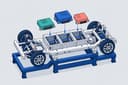 Arm Zena CSSA more complete design for chips that run driver assistance and dashboard systems. One global electric-car maker has licensed it, but no production date was given, so today's money mostly comes from older Arm automotive designs.
A more complete design for chips that run driver assistance and dashboard systems. One global electric-car maker has licensed it, but no production date was given, so today's money mostly comes from older Arm automotive designs.
In plain English
A modern car may have separate computers watching the road, running the dashboard and coordinating other systems. Zena gives car and chip companies a common base for joining those jobs, including the main processing designs and the surrounding connections.
The first customer is an unnamed global electric-car maker. It pays for access while the design is developed; payments on each shipped chip come much later because automotive parts face long safety checks and vehicle-development cycles. For now, the broader car family earns mostly from Arm designs that came before Zena.
Competes with Snapdragon Ride Flex (Qualcomm) · DRIVE Thor (NVIDIA) · Automotive Processor IP (SiFive)
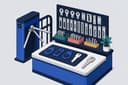 Arm Technology LicensingCustomers subscribe to Arm's design library or buy rights to specific technology. Signed work worth $2.071 billion remained to be delivered at year-end; large renewals make this half of the business much lumpier than payments on shipped chips.
Customers subscribe to Arm's design library or buy rights to specific technology. Signed work worth $2.071 billion remained to be delivered at year-end; large renewals make this half of the business much lumpier than payments on shipped chips.
In plain English
Think of this as a workshop membership. A chip company can subscribe to a broad shelf of Arm designs, take a cheaper pass that charges when a design is ready for manufacturing, or buy rights to one design or to build its own compatible main processor.
Customers pay fixed or repeating fees as Arm hands over designs, updates and support. They keep paying because the catalog changes and their future chips need current building blocks. The trade-off is timing: one large agreement can make one quarter look unusually strong and the next unusually quiet.
Competes with RISC-V Core IP (SiFive) · ARC-V Processor IP (Synopsys)
 Arm China & SoftBank ProgramsArm China independently resells Arm designs in mainland China, while SoftBank affiliates buy technology and design work. Arm China, SoftBank-related work and one unnamed customer supplied 42% of FY2026 revenue, making a few relationships unusually important.
Arm China independently resells Arm designs in mainland China, while SoftBank affiliates buy technology and design work. Arm China, SoftBank-related work and one unnamed customer supplied 42% of FY2026 revenue, making a few relationships unusually important.
In plain English
Two unusually large doors lead into Arm's business. Arm China is an independent gatekeeper with the exclusive right to resell Arm technology in mainland China. SoftBank, Arm's controlling owner, and its related companies commission licenses and engineering work for their own chip plans.
Arm receives license, service and per-chip payments through the China relationship, while SoftBank-related work pays as agreed milestones are met. Together the two programs produced about $1.50 billion in FY2026. That scale helps growth, but collection, government rules and owner-led demand can quickly matter to the whole company.
Competes with RISC-V Core IP (SiFive) · ARC-V Processor IP (Synopsys)
 Arm AGI CPUArm's first finished data-center processor reached initial customers in July 2026. Arm says demand exceeds $2 billion for FY2027–FY2028, but it has secured production capacity for the first $1 billion, making supply the immediate limit.
Arm's first finished data-center processor reached initial customers in July 2026. Arm says demand exceeds $2 billion for FY2027–FY2028, but it has secured production capacity for the first $1 billion, making supply the immediate limit.
In plain English
For most of its history, Arm sold the recipe and let customers bake the chip. AGI is different: it is a finished main processor that Arm itself sells for servers coordinating AI work. Meta helped shape it, and other operators and computer makers are preparing deployments.
Now Arm must reserve factory, memory, assembly and testing capacity, deliver physical units and carry the costs along the way. Customers pay for each processor rather than just the underlying design. That opens a larger sale, but the first generation is expected to keep less of each dollar than Arm's design business.
Competes with EPYC 9005 (AMD) · Xeon 6 (Intel) · AmpereOne and AmpereOne M (Ampere)
Named in filings, launches and programs
- Armv9 ArchitecturePlatformNewer chip rules that usually earn more per shipped device than Armv8 and are expected to become most royalty revenue under signed designs.
- Arm C1 CPUsProduct lineThe main processing designs inside Lumex, aimed at premium phones and other personal devices.
- Arm Mali G1 GPUsProduct lineGraphics and AI designs inside Lumex; a distinct component facing Imagination's competing graphics designs.
- KleidiAIEcosystemSoftware shortcuts that help common AI programs run efficiently on Arm processors.
- Arm Total DesignEcosystemA partner network that helps customers turn Neoverse designs into custom server chips and joined chip pieces.
- Chiplet System ArchitectureEcosystemA common rulebook for joining smaller chip pieces into one Arm-based system.
- Arm Development StudioServicePaid tools for writing, checking and improving software built for Arm technology.
- Malaysia Silicon VisionCustomer programA ten-year, $250 million access-and-training program; Malaysia's anti-corruption agency said its related investigation was nearing completion, with no adverse finding established.
- Indonesia AI technology partnershipCustomer program · AnnouncedA long-term national technology agreement announced in May 2026; its financial terms and specific programs were not disclosed.
- Meta strategic partnershipCustomer programA multi-year hardware and software collaboration that now includes co-developing AGI server processors.
- DreamBig SemiconductorProduct · AnnouncedA planned roughly $265 million purchase meant to add technology for moving data between servers; completion had not been established.
- PerformixServiceSoftware that inspects and improves how programs run on Arm-based server systems.
- Arm MCP ServerServiceA software doorway that brings Arm's technical guidance into AI-assisted coding tools.
- Stargate ProjectEcosystem · AnnouncedArm was named a technology partner, but said there was no formal promise that its designs would be used.
Armv9 ArchitecturePlatform
Newer chip rules that usually earn more per shipped device than Armv8 and are expected to become most royalty revenue under signed designs.
Arm C1 CPUsProduct line
The main processing designs inside Lumex, aimed at premium phones and other personal devices.
Arm Mali G1 GPUsProduct line
Graphics and AI designs inside Lumex; a distinct component facing Imagination's competing graphics designs.
KleidiAIEcosystem
Software shortcuts that help common AI programs run efficiently on Arm processors.
Arm Total DesignEcosystem
A partner network that helps customers turn Neoverse designs into custom server chips and joined chip pieces.
Chiplet System ArchitectureEcosystem
A common rulebook for joining smaller chip pieces into one Arm-based system.
Arm Development StudioService
Paid tools for writing, checking and improving software built for Arm technology.
Malaysia Silicon VisionCustomer program
A ten-year, $250 million access-and-training program; Malaysia's anti-corruption agency said its related investigation was nearing completion, with no adverse finding established.
Indonesia AI technology partnershipCustomer program · Announced
A long-term national technology agreement announced in May 2026; its financial terms and specific programs were not disclosed.
Meta strategic partnershipCustomer program
A multi-year hardware and software collaboration that now includes co-developing AGI server processors.
DreamBig SemiconductorProduct · Announced
A planned roughly $265 million purchase meant to add technology for moving data between servers; completion had not been established.
PerformixService
Software that inspects and improves how programs run on Arm-based server systems.
Arm MCP ServerService
A software doorway that brings Arm's technical guidance into AI-assisted coding tools.
Stargate ProjectEcosystem · Announced
Arm was named a technology partner, but said there was no formal promise that its designs would be used.