
DoorDash (DASH)
Local-commerce marketplaces and merchant software spanning DoorDash, Wolt, and Deliveroo.
Something off on this page? Send us feedback.
DoorDash is still chiefly a restaurant-delivery marketplace, with fees from its original service paying for most of the company. It is becoming a broader local-shopping network: more international after buying Deliveroo, more useful beyond meals, and more deeply woven into merchants’ own ordering and delivery systems.
Item facts: FY2025 · year ended Dec 31, 2025, from filings, earnings calls and company pages.
Judgment weights, not filed revenue
The band summarizes business focus and direction. ~ marks estimates.
9 in detail · 10 more below
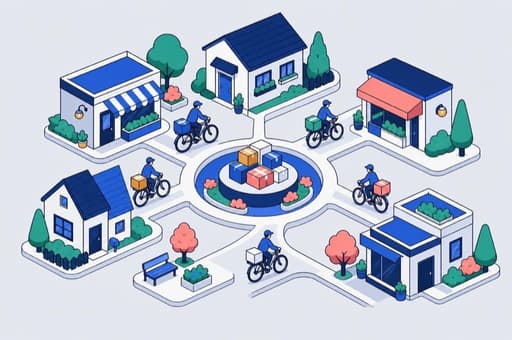
DoorDash Marketplace
The main engine links shoppers, local stores, and couriers. U.S. restaurant delivery plans charge merchants as much as 30% of each order; keeping enough couriers, stores, and repeat shoppers in each area is what makes it work.
Competes with Uber Eats (Uber) · Grubhub marketplace (Grubhub)
In plain English
Picture one neighborhood with restaurants and shops on one side, hungry households on the other, and couriers moving between them. DoorDash puts all three on the same app, shows what can be ordered, collects the payment, and arranges the trip.
Stores pay DoorDash a cut of each sale, while shoppers may pay delivery and service fees. DoorDash passes money to the courier and covers refunds, support, and promotions before keeping its portion. More nearby orders can mean less waiting and shorter trips, so a busy local network usually works better than a thin one.
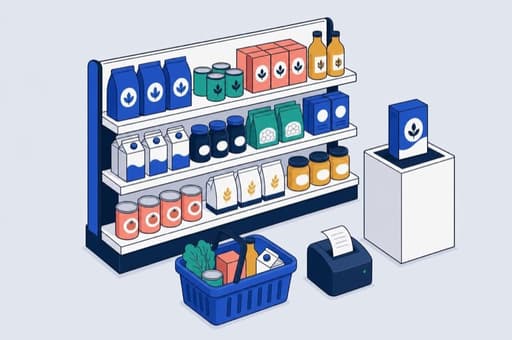
DoorDash Ads
Restaurants and packaged-goods makers pay to appear where people are choosing what to buy. DoorDash and Wolt ads had passed a $1 billion yearly pace during 2024; the watchpoint is adding paid spots without making shopping worse.
Competes with Sponsored Listings (Uber Advertising) · Instacart Ads (Instacart)
In plain English
A restaurant or grocery brand can pay for a better spot while someone is searching or filling a basket. It is the digital version of paying for the end of a supermarket aisle, except DoorDash can also show whether the shopper later bought the item.
Advertisers pay for that placement and proof of sales. DoorDash earns the ad money without arranging another delivery, using attention already created by its marketplaces. Demand was greater than the space DoorDash was willing to sell in 2025, so growth depends partly on finding useful places for ads rather than simply crowding the screen.
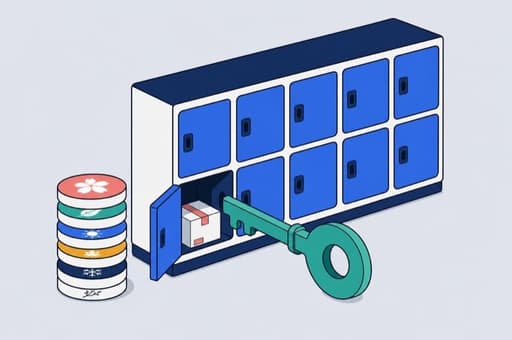
DashPass, Wolt+, and Deliveroo Plus
Members trade a recurring fee or partner-paid benefit for lower charges on eligible orders. The roughly 35 million memberships at December 2025 included paid, trial, and partner accounts, so the key question is whether savings create enough extra orders.
Competes with Uber One (Uber) · Grubhub+ (Grubhub)
In plain English
The membership is a simple bargain: pay regularly and many eligible deliveries lose their delivery fee, with some service charges and promotions improved too. Banks and other partners can also include access as a customer benefit.
DoorDash collects subscription money directly or receives support from a partner, then gives up some fees it might have earned order by order. The bet is that members order often enough to make the trade worthwhile for DoorDash, merchants, and couriers. Membership also helps keep a household from opening a rival app each time dinner or groceries are needed.
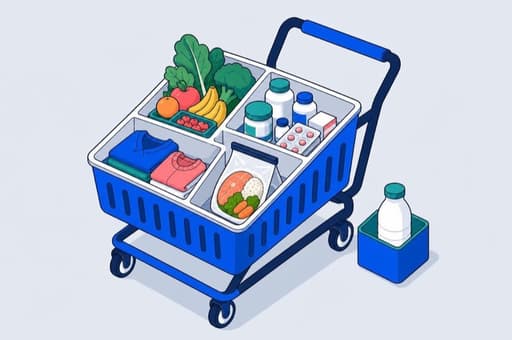
Grocery and Retail
DoorDash now carries groceries and store goods as well as restaurant meals. By early 2026, about 30% of its U.S. monthly shoppers had ordered outside restaurants; larger baskets help, but picking mistakes and substitutions cost money.
Competes with Instacart Marketplace (Instacart) · Uber Eats Grocery & Retail (Uber)
In plain English
Dinner is only one errand DoorDash wants to handle. A shopper can also ask for milk, medicine, electronics, or clothes, and a store worker or courier must find the right goods before the last trip begins.
DoorDash earns the same basic ways it does on meals: stores contribute a portion of the sale and shoppers may pay fees. Bigger baskets can produce more dollars per order, but a grocery list is harder than a sealed restaurant bag. Someone must pick each item, replace missing stock sensibly, and deliver it accurately. DoorDash expected this category to start covering its direct costs later in 2026.
Wolt Marketplace
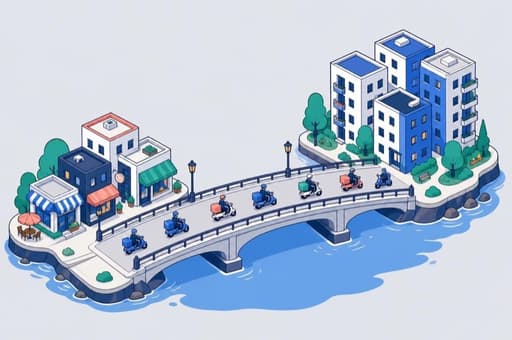
Wolt is DoorDash’s established marketplace brand across international cities, covering meals, groceries, and other local goods. DoorDash left four countries in 2026, a reminder that each city needs enough orders and couriers to support itself.
Competes with Glovo marketplace (Glovo) · Just Eat (Prosus) · Uber Eats (Uber)
In plain English
Outside its home market, DoorDash often reaches shoppers through Wolt. The app gathers nearby restaurants and stores, takes the order and payment, and connects the trip to a courier; Wolt+ gives regular users membership benefits.
Each order can bring a merchant payment and shopper fees, much like the main DoorDash service. But this is a city-by-city business: a place with too few shoppers, merchants, or couriers creates long waits and poor results. DoorDash is moving Wolt and its other brands onto one shared computer system, while keeping the local selection that makes the service useful.
Deliveroo Marketplace
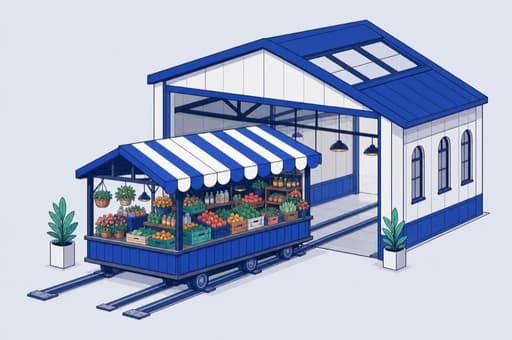
Bought in October 2025, Deliveroo added a large international marketplace and $347 million during DoorDash’s final three months of FY2025. By Q2 2026 it supplied 8.6% of revenue; integration spending and local strength now matter more than expansion.
Competes with Just Eat (Prosus) · Uber Eats (Uber) · Glovo marketplace (Glovo)
In plain English
Deliveroo gives DoorDash another ready-made community of diners, merchants, and riders, especially where the DoorDash and Wolt names had less reach. Customers still use the Deliveroo app and can join Deliveroo Plus for lower eligible delivery charges.
Money comes from merchant payments, customer fees, memberships, and promoted placement around each order. DoorDash paid to acquire the whole network, then began investing in its selection and service while joining the underlying computer systems. The advantage is immediate local activity; the hard part is improving the business without disrupting the habits that made people use it.
Commerce Platform
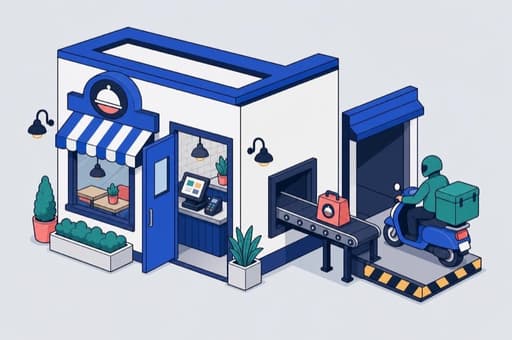
This gives merchants their own ordering, delivery, payment, loyalty, and guest-management tools. Digital ordering served more than 150,000 businesses and grew revenue over 40% in Q2 2026; keeping those merchants is the test beyond DoorDash’s consumer app.
Competes with DISPATCH and ORDERING (Olo) · Uber Direct (Uber) · Toast Online Ordering (Toast) · OpenTable (OpenTable)
In plain English
This is the shopkeeper’s own front door. A restaurant can take an order on its website or branded app, remember a regular guest, process the payment, and ask DoorDash to deliver—without sending the customer through DoorDash’s marketplace.
The merchant pays for the pieces it uses: a charge for delivery, software and guest tools, or payment handling. DoorDash’s online-ordering product does not take a sales commission, but payment processing costs 2.9% plus 30 cents. Because the merchant brings the customer, this business can grow even when an order never appears in DoorDash’s main app.
DashMart Fulfillment Services
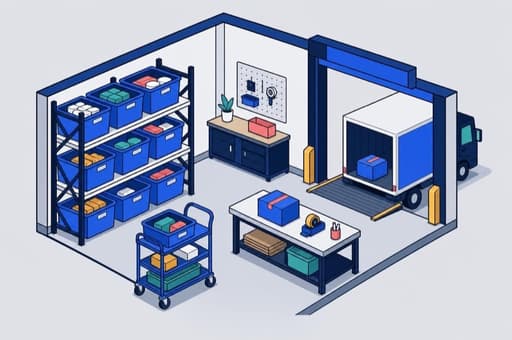
DoorDash stores, picks, packs, and delivers goods that still belong to retailers. CVS and Party City were initial users, with Kroger announced as forthcoming; it remained a small program whose future rests on accurate orders and busy facilities.
Competes with Powered by Gopuff (Gopuff) · Instacart Enterprise Platform (Instacart)
In plain English
Behind some orders is a small warehouse run by DoorDash. Retailers place their own goods there; DoorDash workers find and pack what a shopper requested, then a courier carries it out. Orders can start on DoorDash or on the retailer’s own site.
The retailer pays DoorDash to do the physical work while keeping ownership of the stock. A facility becomes more useful when enough nearby orders pass through it, because space and workers cost money even during quiet hours. DoorDash later described fewer mistakes, but the program still had only several partners, so repeatable demand matters more than its broad grocery opportunity.
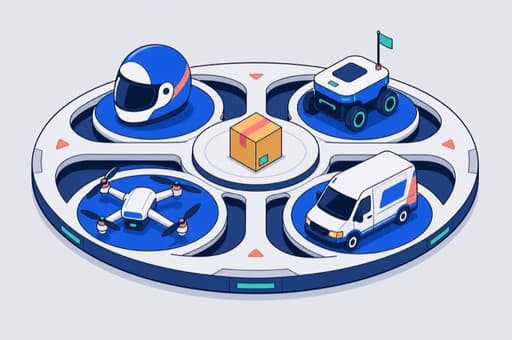
Autonomous Delivery Platform
One dispatch system can choose a courier, DoorDash’s Dot ground vehicle, a drone, or a partner vehicle. No sales are disclosed; Dot reached tens of thousands of Phoenix-area customers, while couriers remain the backbone and economics are unproven.
Competes with Serve Robotics robots (Serve Robotics) · Starship robots (Starship Technologies) · Wing drones (Alphabet)
In plain English
Some deliveries may eventually leave without a person carrying them. DoorDash is testing Dot, a small vehicle for roads, sidewalks, and bike lanes, alongside DoorDash Air drones and vehicles supplied by partners. Its system chooses which option suits an eligible trip.
For now, this is an attempt to lower or reshape delivery costs, not a disclosed source of sales. The same merchant connection can send an order to a human courier or a machine, like a dispatcher choosing the right vehicle from a garage. Safety approval, weather, load size, charging, and enough useful trips will decide whether the machines earn their keep.


 DoorDash MarketplaceThe main engine links shoppers, local stores, and couriers. U.S. restaurant delivery plans charge merchants as much as 30% of each order; keeping enough couriers, stores, and repeat shoppers in each area is what makes it work.
The main engine links shoppers, local stores, and couriers. U.S. restaurant delivery plans charge merchants as much as 30% of each order; keeping enough couriers, stores, and repeat shoppers in each area is what makes it work.
In plain English
Picture one neighborhood with restaurants and shops on one side, hungry households on the other, and couriers moving between them. DoorDash puts all three on the same app, shows what can be ordered, collects the payment, and arranges the trip.
Stores pay DoorDash a cut of each sale, while shoppers may pay delivery and service fees. DoorDash passes money to the courier and covers refunds, support, and promotions before keeping its portion. More nearby orders can mean less waiting and shorter trips, so a busy local network usually works better than a thin one.
Competes with Uber Eats (Uber) · Grubhub marketplace (Grubhub)
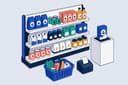 DoorDash AdsRestaurants and packaged-goods makers pay to appear where people are choosing what to buy. DoorDash and Wolt ads had passed a $1 billion yearly pace during 2024; the watchpoint is adding paid spots without making shopping worse.
Restaurants and packaged-goods makers pay to appear where people are choosing what to buy. DoorDash and Wolt ads had passed a $1 billion yearly pace during 2024; the watchpoint is adding paid spots without making shopping worse.
In plain English
A restaurant or grocery brand can pay for a better spot while someone is searching or filling a basket. It is the digital version of paying for the end of a supermarket aisle, except DoorDash can also show whether the shopper later bought the item.
Advertisers pay for that placement and proof of sales. DoorDash earns the ad money without arranging another delivery, using attention already created by its marketplaces. Demand was greater than the space DoorDash was willing to sell in 2025, so growth depends partly on finding useful places for ads rather than simply crowding the screen.
Competes with Sponsored Listings (Uber Advertising) · Instacart Ads (Instacart)
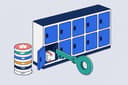 DashPass, Wolt+, and Deliveroo PlusMembers trade a recurring fee or partner-paid benefit for lower charges on eligible orders. The roughly 35 million memberships at December 2025 included paid, trial, and partner accounts, so the key question is whether savings create enough extra orders.
Members trade a recurring fee or partner-paid benefit for lower charges on eligible orders. The roughly 35 million memberships at December 2025 included paid, trial, and partner accounts, so the key question is whether savings create enough extra orders.
In plain English
The membership is a simple bargain: pay regularly and many eligible deliveries lose their delivery fee, with some service charges and promotions improved too. Banks and other partners can also include access as a customer benefit.
DoorDash collects subscription money directly or receives support from a partner, then gives up some fees it might have earned order by order. The bet is that members order often enough to make the trade worthwhile for DoorDash, merchants, and couriers. Membership also helps keep a household from opening a rival app each time dinner or groceries are needed.
Competes with Uber One (Uber) · Grubhub+ (Grubhub)
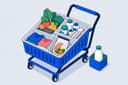 Grocery and RetailDoorDash now carries groceries and store goods as well as restaurant meals. By early 2026, about 30% of its U.S. monthly shoppers had ordered outside restaurants; larger baskets help, but picking mistakes and substitutions cost money.
DoorDash now carries groceries and store goods as well as restaurant meals. By early 2026, about 30% of its U.S. monthly shoppers had ordered outside restaurants; larger baskets help, but picking mistakes and substitutions cost money.
In plain English
Dinner is only one errand DoorDash wants to handle. A shopper can also ask for milk, medicine, electronics, or clothes, and a store worker or courier must find the right goods before the last trip begins.
DoorDash earns the same basic ways it does on meals: stores contribute a portion of the sale and shoppers may pay fees. Bigger baskets can produce more dollars per order, but a grocery list is harder than a sealed restaurant bag. Someone must pick each item, replace missing stock sensibly, and deliver it accurately. DoorDash expected this category to start covering its direct costs later in 2026.
Competes with Instacart Marketplace (Instacart) · Uber Eats Grocery & Retail (Uber)
 Wolt MarketplaceWolt is DoorDash’s established marketplace brand across international cities, covering meals, groceries, and other local goods. DoorDash left four countries in 2026, a reminder that each city needs enough orders and couriers to support itself.
Wolt is DoorDash’s established marketplace brand across international cities, covering meals, groceries, and other local goods. DoorDash left four countries in 2026, a reminder that each city needs enough orders and couriers to support itself.
In plain English
Outside its home market, DoorDash often reaches shoppers through Wolt. The app gathers nearby restaurants and stores, takes the order and payment, and connects the trip to a courier; Wolt+ gives regular users membership benefits.
Each order can bring a merchant payment and shopper fees, much like the main DoorDash service. But this is a city-by-city business: a place with too few shoppers, merchants, or couriers creates long waits and poor results. DoorDash is moving Wolt and its other brands onto one shared computer system, while keeping the local selection that makes the service useful.
Competes with Glovo marketplace (Glovo) · Just Eat (Prosus) · Uber Eats (Uber)
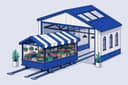 Deliveroo MarketplaceBought in October 2025, Deliveroo added a large international marketplace and $347 million during DoorDash’s final three months of FY2025. By Q2 2026 it supplied 8.6% of revenue; integration spending and local strength now matter more than expansion.
Bought in October 2025, Deliveroo added a large international marketplace and $347 million during DoorDash’s final three months of FY2025. By Q2 2026 it supplied 8.6% of revenue; integration spending and local strength now matter more than expansion.
In plain English
Deliveroo gives DoorDash another ready-made community of diners, merchants, and riders, especially where the DoorDash and Wolt names had less reach. Customers still use the Deliveroo app and can join Deliveroo Plus for lower eligible delivery charges.
Money comes from merchant payments, customer fees, memberships, and promoted placement around each order. DoorDash paid to acquire the whole network, then began investing in its selection and service while joining the underlying computer systems. The advantage is immediate local activity; the hard part is improving the business without disrupting the habits that made people use it.
Competes with Just Eat (Prosus) · Uber Eats (Uber) · Glovo marketplace (Glovo)
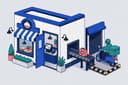 Commerce PlatformThis gives merchants their own ordering, delivery, payment, loyalty, and guest-management tools. Digital ordering served more than 150,000 businesses and grew revenue over 40% in Q2 2026; keeping those merchants is the test beyond DoorDash’s consumer app.
This gives merchants their own ordering, delivery, payment, loyalty, and guest-management tools. Digital ordering served more than 150,000 businesses and grew revenue over 40% in Q2 2026; keeping those merchants is the test beyond DoorDash’s consumer app.
In plain English
This is the shopkeeper’s own front door. A restaurant can take an order on its website or branded app, remember a regular guest, process the payment, and ask DoorDash to deliver—without sending the customer through DoorDash’s marketplace.
The merchant pays for the pieces it uses: a charge for delivery, software and guest tools, or payment handling. DoorDash’s online-ordering product does not take a sales commission, but payment processing costs 2.9% plus 30 cents. Because the merchant brings the customer, this business can grow even when an order never appears in DoorDash’s main app.
Competes with DISPATCH and ORDERING (Olo) · Uber Direct (Uber) · Toast Online Ordering (Toast) · OpenTable (OpenTable)
 DashMart Fulfillment ServicesDoorDash stores, picks, packs, and delivers goods that still belong to retailers. CVS and Party City were initial users, with Kroger announced as forthcoming; it remained a small program whose future rests on accurate orders and busy facilities.
DoorDash stores, picks, packs, and delivers goods that still belong to retailers. CVS and Party City were initial users, with Kroger announced as forthcoming; it remained a small program whose future rests on accurate orders and busy facilities.
In plain English
Behind some orders is a small warehouse run by DoorDash. Retailers place their own goods there; DoorDash workers find and pack what a shopper requested, then a courier carries it out. Orders can start on DoorDash or on the retailer’s own site.
The retailer pays DoorDash to do the physical work while keeping ownership of the stock. A facility becomes more useful when enough nearby orders pass through it, because space and workers cost money even during quiet hours. DoorDash later described fewer mistakes, but the program still had only several partners, so repeatable demand matters more than its broad grocery opportunity.
Competes with Powered by Gopuff (Gopuff) · Instacart Enterprise Platform (Instacart)
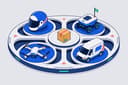 Autonomous Delivery PlatformOne dispatch system can choose a courier, DoorDash’s Dot ground vehicle, a drone, or a partner vehicle. No sales are disclosed; Dot reached tens of thousands of Phoenix-area customers, while couriers remain the backbone and economics are unproven.
One dispatch system can choose a courier, DoorDash’s Dot ground vehicle, a drone, or a partner vehicle. No sales are disclosed; Dot reached tens of thousands of Phoenix-area customers, while couriers remain the backbone and economics are unproven.
In plain English
Some deliveries may eventually leave without a person carrying them. DoorDash is testing Dot, a small vehicle for roads, sidewalks, and bike lanes, alongside DoorDash Air drones and vehicles supplied by partners. Its system chooses which option suits an eligible trip.
For now, this is an attempt to lower or reshape delivery costs, not a disclosed source of sales. The same merchant connection can send an order to a human courier or a machine, like a dispatcher choosing the right vehicle from a garage. Safety approval, weather, load size, charging, and enough useful trips will decide whether the machines earn their keep.
Competes with Serve Robotics robots (Serve Robotics) · Starship robots (Starship Technologies) · Wing drones (Alphabet)
Named in filings, launches and programs
- SevenRoomsBrand · RampingRestaurant reservations, table planning, guest records, and marketing tools acquired in June 2025 for $1.152 billion.
- Drive On-DemandServiceDoorDash couriers deliver orders that customers placed directly with a merchant rather than through DoorDash Marketplace.
- Online OrderingServiceCommission-free website ordering for merchants, with DoorDash charging to process payments.
- Branded Mobile AppsServiceCustom ordering apps that let merchants own the customer relationship, loyalty program, and order flow.
- Going OutProduct · RampingReservations and rewards for eating inside restaurants, with no meaningful sales figure disclosed.
- DoorDash for BusinessService · RampingEmployer meal budgets, group orders, catering, and workplace membership tools.
- DoorDash AskProduct · RampingA chat-style way to discover and order food, groceries, and restaurant reservations.
- SymbiosysBrandAdvertising technology that carries retailer and product-brand promotions beyond DoorDash’s own screens.
- DashMartBrandDoorDash’s own convenience and grocery shop, where DoorDash can sell products itself rather than only deliver another retailer’s stock.
- Shared brand systemEcosystem · RampingDoorDash is moving three brands onto one shared system and has promised $5.3 billion of technology purchases through 2030.
SevenRoomsBrand · Ramping
Restaurant reservations, table planning, guest records, and marketing tools acquired in June 2025 for $1.152 billion.
Drive On-DemandService
DoorDash couriers deliver orders that customers placed directly with a merchant rather than through DoorDash Marketplace.
Online OrderingService
Commission-free website ordering for merchants, with DoorDash charging to process payments.
Branded Mobile AppsService
Custom ordering apps that let merchants own the customer relationship, loyalty program, and order flow.
Going OutProduct · Ramping
Reservations and rewards for eating inside restaurants, with no meaningful sales figure disclosed.
DoorDash for BusinessService · Ramping
Employer meal budgets, group orders, catering, and workplace membership tools.
DoorDash AskProduct · Ramping
A chat-style way to discover and order food, groceries, and restaurant reservations.
SymbiosysBrand
Advertising technology that carries retailer and product-brand promotions beyond DoorDash’s own screens.
DashMartBrand
DoorDash’s own convenience and grocery shop, where DoorDash can sell products itself rather than only deliver another retailer’s stock.
Shared brand systemEcosystem · Ramping
DoorDash is moving three brands onto one shared system and has promised $5.3 billion of technology purchases through 2030.