
Alphabet Class A (GOOGL)
Runs Google’s search, video, mobile, AI, advertising, and cloud platforms.
Something off on this page? Send us feedback.
Alphabet is still overwhelmingly an advertising company: Search pays most of the bills, while YouTube and a web-publisher network extend the same engine. Cloud is growing much faster and pulling the company toward rented computing and artificial intelligence, but subscriptions, devices, and futuristic projects remain supporting acts.
Item facts: FY2025 · year ended Dec 31, 2025, from filings, earnings calls and company pages.
Judgment weights, not filed revenue
The band summarizes business focus and direction. ~ marks estimates.
8 in detail · 15 more below
Google Search & other
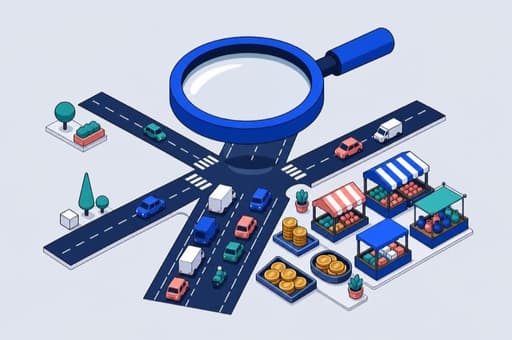
Ads beside searches remain Alphabet's cash engine, and the line still grew 16.8% in Q2 2026. Watch whether AI-written answers create more useful searches or give people fewer reasons to click.
Competes with Copilot Search in Bing (Microsoft) · ChatGPT search (OpenAI)
In plain English
Someone searches because they want an answer, a product, or a place. Businesses bid in a live auction to appear beside that moment of interest, paying when a person engages with an ad or sometimes simply sees it. The search itself stays free for the user.
It works like merchants renting the best stalls beside a road crowded with people already looking to buy. That intent makes the space valuable. AI-written answers can make Search more helpful, but they can also change how often people visit websites or click the ads that fund it.
YouTube ads
YouTube sells advertisers the attention gathered by creator and licensed videos. Ad sales rose 12.9% in Q2 2026; the watchpoint is keeping viewers, creators, and advertisers happy without cramming in too many ads.
Competes with TikTok for Business ads (ByteDance) · Prime Video and Twitch streaming ads (Amazon)
In plain English
A giant free television service where much of the programming comes from its audience. People watch long videos, short clips, live streams, and shows; advertisers pay to reach them before, during, or around that viewing.
Creators and rights owners supply the programs and receive a share or other payment, so Alphabet does not keep every advertising dollar. The business grows when viewers spend more time there and advertisers can measure useful results. Push the ad load too far, or let unsafe material sit beside an ad, and both sides can leave.
Google Network
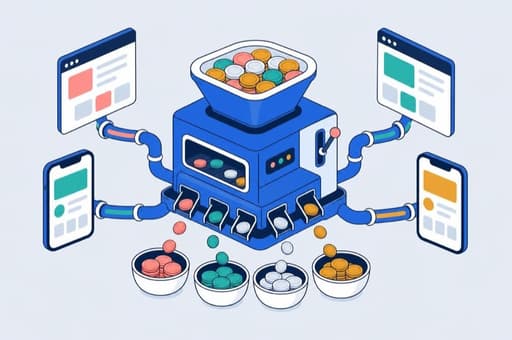
Google places ads on sites and apps it does not own, then passes most of the money to their publishers. Revenue shrank 1.9% in FY2025 even as advertising grew broadly, making access and court-ordered changes the watchpoints.
Competes with MAX in-app bidding (AppLovin) · Magnite platform (Magnite)
In plain English
The behind-the-scenes ad counter for other people's websites and apps. A publisher offers an empty space; advertisers compete for it through Google's systems; the winning ad appears; and the publisher receives most of what was paid.
Think of Google as the operator of vending machines installed in thousands of other shops. It brings the buyers and runs the payment system, but the shop owner keeps the larger cut. Privacy choices, rival ad sellers, and legal remedies can all reduce which spaces Google may fill or how it runs the sale.
Google Cloud
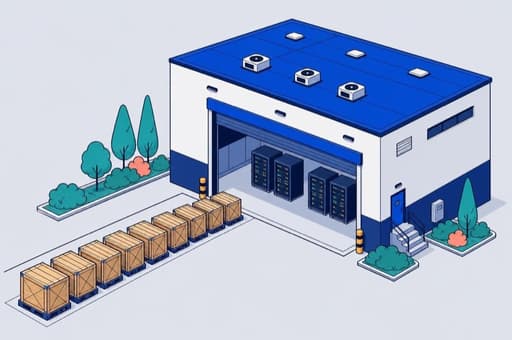
Google Cloud rents computing power and workplace software to organizations. It is now Alphabet's fastest-growing large business, with $513.9 billion of promised work; delivering enough chips, electricity, cooling, and buildings is the immediate test.
Competes with Amazon Web Services (Amazon) · Microsoft Azure (Microsoft) · CoreWeave cloud (CoreWeave)
In plain English
Instead of buying and maintaining rooms full of computers, a company can rent Google's machines and software over the internet. It pays for what it uses, reserves capacity ahead of time, or buys a seat for each worker using tools such as email and shared documents.
This is the electric utility model applied to computing: customers keep paying because their data and daily work live on the service. AI has sharply increased demand for powerful machines. Alphabet must build the facilities and secure the chips, power, cooling, and network links before signed promises can become sales.
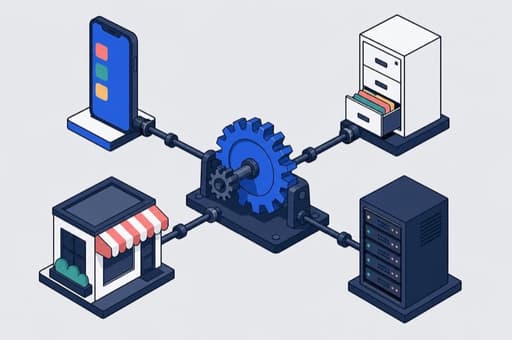
Google Gemini
Gemini is the AI model and assistant woven through Google's app, Search, workplace tools, Cloud, and Android. It has no separate sales line, so watch whether wide use becomes more ads, paid plans, or rented computing.
Competes with ChatGPT (OpenAI) · Claude (Anthropic) · Copilot Search (Microsoft)
In plain English
One brain being fitted into many Google products. Gemini can answer a consumer's question, help an office worker draft a document, or let a software maker add artificial intelligence to an app. By July 2026, its own app had roughly 950 million users.
Money arrives by several doors rather than one checkout: better Search can support ads, premium features can support subscriptions, and outside developers or companies pay Cloud to use the models. Some use is free, bundled, or for Google's own products, so a swelling audience does not automatically mean matching sales.
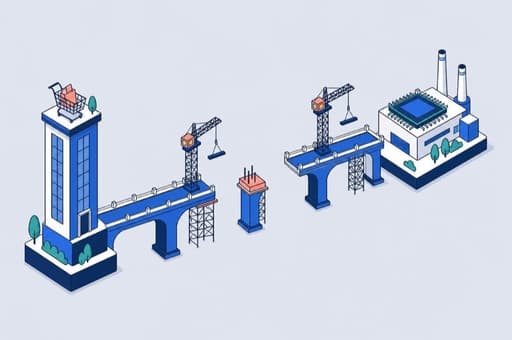
Anthropic TPU capacity agreements
Anthropic is the main named outside buyer for large systems built from Google's specialized AI chips. Agreements worth tens of billions of dollars point mainly to FY2027, but actual sales depend on factories and data centers arriving on time.
Competes with AWS Trainium and Project Rainier (Amazon) · NVIDIA GPU clusters (NVIDIA)
In plain English
Anthropic, an AI developer, needs enormous groups of specialized chips to build and run its models. Google has agreed to supply systems containing as many as one million TPUs — Google's chips made for artificial intelligence — with power needs larger than many towns.
This resembles a single airline placing a huge future order with an aircraft maker. Google Cloud earns as the systems are delivered and used, while Broadcom and other suppliers help turn the design into working machines. The schedule hangs on chip output, finished facilities, electricity, and how Anthropic divides its work among Google, Amazon, and NVIDIA.
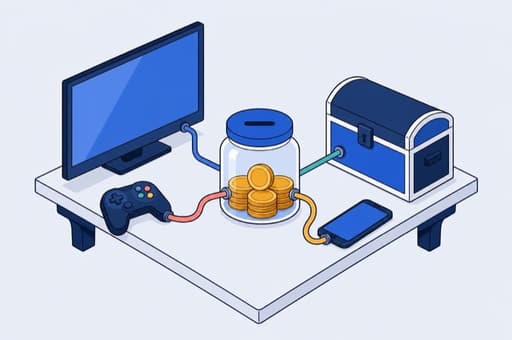
Google subscriptions, platforms, and devices
This combined line collects consumer subscriptions, Play store fees, and Pixel device sales. It grew 15.2% in Q2 2026; the mix is hidden, so whether subscribers stay, app-store rules, content rights, and hardware costs all matter.
Competes with App Store and iCloud+ (Apple) · Galaxy smartphones (Samsung)
In plain English
The paid shelf behind Google's mostly free consumer world. It holds monthly plans for video, music, television, sports, and online storage; fees from purchases inside Play apps; and Pixel phones and other devices. People pay for extra features or hardware, while developers pay Google a portion of transactions.
Picture one department store with a membership desk, an app checkout, and an electronics counter. The three counters behave differently: subscriptions depend on people staying, Play depends on store rules and developer economics, and devices depend on parts and manufacturing. Alphabet discloses only their combined sales, so nobody outside can see which counter contributes most.
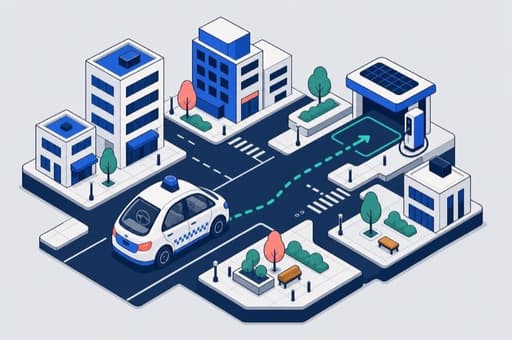
Waymo
Waymo sells rides in cars that drive themselves. It passed half a million paid rides a week in April 2026, but the business remains tiny and must prove safe, reliable service across denser city networks.
Competes with Robotaxi (Tesla) · Zoox robotaxi (Amazon) · Apollo Go (Baidu)
In plain English
A taxi service with no driver at the wheel. Waymo equips vehicles with sensors and computers, maps the operating area, keeps the fleet running, and charges passengers for each trip. Alphabet pays for the cars, equipment, charging, remote support, and safety work before a new city becomes useful.
A lone car driving occasionally is expensive; a dense web of riders and nearby vehicles can spread those costs across many trips. That makes reliable operation and city-by-city permission as important as the driving technology. The ride count is climbing quickly, but all of Other Bets is still a rounding error beside advertising and Cloud.


 Google Search & otherAds beside searches remain Alphabet's cash engine, and the line still grew 16.8% in Q2 2026. Watch whether AI-written answers create more useful searches or give people fewer reasons to click.
Ads beside searches remain Alphabet's cash engine, and the line still grew 16.8% in Q2 2026. Watch whether AI-written answers create more useful searches or give people fewer reasons to click.
In plain English
Someone searches because they want an answer, a product, or a place. Businesses bid in a live auction to appear beside that moment of interest, paying when a person engages with an ad or sometimes simply sees it. The search itself stays free for the user.
It works like merchants renting the best stalls beside a road crowded with people already looking to buy. That intent makes the space valuable. AI-written answers can make Search more helpful, but they can also change how often people visit websites or click the ads that fund it.
Competes with Copilot Search in Bing (Microsoft) · ChatGPT search (OpenAI)
 YouTube adsYouTube sells advertisers the attention gathered by creator and licensed videos. Ad sales rose 12.9% in Q2 2026; the watchpoint is keeping viewers, creators, and advertisers happy without cramming in too many ads.
YouTube sells advertisers the attention gathered by creator and licensed videos. Ad sales rose 12.9% in Q2 2026; the watchpoint is keeping viewers, creators, and advertisers happy without cramming in too many ads.
In plain English
A giant free television service where much of the programming comes from its audience. People watch long videos, short clips, live streams, and shows; advertisers pay to reach them before, during, or around that viewing.
Creators and rights owners supply the programs and receive a share or other payment, so Alphabet does not keep every advertising dollar. The business grows when viewers spend more time there and advertisers can measure useful results. Push the ad load too far, or let unsafe material sit beside an ad, and both sides can leave.
Competes with TikTok for Business ads (ByteDance) · Prime Video and Twitch streaming ads (Amazon)
 Google NetworkGoogle places ads on sites and apps it does not own, then passes most of the money to their publishers. Revenue shrank 1.9% in FY2025 even as advertising grew broadly, making access and court-ordered changes the watchpoints.
Google places ads on sites and apps it does not own, then passes most of the money to their publishers. Revenue shrank 1.9% in FY2025 even as advertising grew broadly, making access and court-ordered changes the watchpoints.
In plain English
The behind-the-scenes ad counter for other people's websites and apps. A publisher offers an empty space; advertisers compete for it through Google's systems; the winning ad appears; and the publisher receives most of what was paid.
Think of Google as the operator of vending machines installed in thousands of other shops. It brings the buyers and runs the payment system, but the shop owner keeps the larger cut. Privacy choices, rival ad sellers, and legal remedies can all reduce which spaces Google may fill or how it runs the sale.
Competes with MAX in-app bidding (AppLovin) · Magnite platform (Magnite)
 Google CloudGoogle Cloud rents computing power and workplace software to organizations. It is now Alphabet's fastest-growing large business, with $513.9 billion of promised work; delivering enough chips, electricity, cooling, and buildings is the immediate test.
Google Cloud rents computing power and workplace software to organizations. It is now Alphabet's fastest-growing large business, with $513.9 billion of promised work; delivering enough chips, electricity, cooling, and buildings is the immediate test.
In plain English
Instead of buying and maintaining rooms full of computers, a company can rent Google's machines and software over the internet. It pays for what it uses, reserves capacity ahead of time, or buys a seat for each worker using tools such as email and shared documents.
This is the electric utility model applied to computing: customers keep paying because their data and daily work live on the service. AI has sharply increased demand for powerful machines. Alphabet must build the facilities and secure the chips, power, cooling, and network links before signed promises can become sales.
Competes with Amazon Web Services (Amazon) · Microsoft Azure (Microsoft) · CoreWeave cloud (CoreWeave)
 Google GeminiGemini is the AI model and assistant woven through Google's app, Search, workplace tools, Cloud, and Android. It has no separate sales line, so watch whether wide use becomes more ads, paid plans, or rented computing.
Gemini is the AI model and assistant woven through Google's app, Search, workplace tools, Cloud, and Android. It has no separate sales line, so watch whether wide use becomes more ads, paid plans, or rented computing.
In plain English
One brain being fitted into many Google products. Gemini can answer a consumer's question, help an office worker draft a document, or let a software maker add artificial intelligence to an app. By July 2026, its own app had roughly 950 million users.
Money arrives by several doors rather than one checkout: better Search can support ads, premium features can support subscriptions, and outside developers or companies pay Cloud to use the models. Some use is free, bundled, or for Google's own products, so a swelling audience does not automatically mean matching sales.
Competes with ChatGPT (OpenAI) · Claude (Anthropic) · Copilot Search (Microsoft)
 Anthropic TPU capacity agreementsAnthropic is the main named outside buyer for large systems built from Google's specialized AI chips. Agreements worth tens of billions of dollars point mainly to FY2027, but actual sales depend on factories and data centers arriving on time.
Anthropic is the main named outside buyer for large systems built from Google's specialized AI chips. Agreements worth tens of billions of dollars point mainly to FY2027, but actual sales depend on factories and data centers arriving on time.
In plain English
Anthropic, an AI developer, needs enormous groups of specialized chips to build and run its models. Google has agreed to supply systems containing as many as one million TPUs — Google's chips made for artificial intelligence — with power needs larger than many towns.
This resembles a single airline placing a huge future order with an aircraft maker. Google Cloud earns as the systems are delivered and used, while Broadcom and other suppliers help turn the design into working machines. The schedule hangs on chip output, finished facilities, electricity, and how Anthropic divides its work among Google, Amazon, and NVIDIA.
Competes with AWS Trainium and Project Rainier (Amazon) · NVIDIA GPU clusters (NVIDIA)
 Google subscriptions, platforms, and devicesThis combined line collects consumer subscriptions, Play store fees, and Pixel device sales. It grew 15.2% in Q2 2026; the mix is hidden, so whether subscribers stay, app-store rules, content rights, and hardware costs all matter.
This combined line collects consumer subscriptions, Play store fees, and Pixel device sales. It grew 15.2% in Q2 2026; the mix is hidden, so whether subscribers stay, app-store rules, content rights, and hardware costs all matter.
In plain English
The paid shelf behind Google's mostly free consumer world. It holds monthly plans for video, music, television, sports, and online storage; fees from purchases inside Play apps; and Pixel phones and other devices. People pay for extra features or hardware, while developers pay Google a portion of transactions.
Picture one department store with a membership desk, an app checkout, and an electronics counter. The three counters behave differently: subscriptions depend on people staying, Play depends on store rules and developer economics, and devices depend on parts and manufacturing. Alphabet discloses only their combined sales, so nobody outside can see which counter contributes most.
Competes with App Store and iCloud+ (Apple) · Galaxy smartphones (Samsung)
 WaymoWaymo sells rides in cars that drive themselves. It passed half a million paid rides a week in April 2026, but the business remains tiny and must prove safe, reliable service across denser city networks.
Waymo sells rides in cars that drive themselves. It passed half a million paid rides a week in April 2026, but the business remains tiny and must prove safe, reliable service across denser city networks.
In plain English
A taxi service with no driver at the wheel. Waymo equips vehicles with sensors and computers, maps the operating area, keeps the fleet running, and charges passengers for each trip. Alphabet pays for the cars, equipment, charging, remote support, and safety work before a new city becomes useful.
A lone car driving occasionally is expensive; a dense web of riders and nearby vehicles can spread those costs across many trips. That makes reliable operation and city-by-city permission as important as the driving technology. The ride count is climbing quickly, but all of Other Bets is still a rounding error beside advertising and Cloud.
Competes with Robotaxi (Tesla) · Zoox robotaxi (Amazon) · Apollo Go (Baidu)
Named in filings, launches and programs
- Google WorkspacePlatformPaid email, documents, and collaboration tools priced for each user, with sales included in Google Cloud.
- Google PlayPlatformAndroid's app store and payment system; its transaction fees sit inside subscriptions, platforms, and devices.
- Google OneServiceConsumer storage and benefits membership counted with subscriptions, platforms, and devices.
- PixelProduct lineGoogle's device family; hardware sales land in subscriptions, platforms, and devices.
- AndroidPlatformMobile operating system that puts Google services in reach, without its own disclosed sales line.
- ChromePlatformWeb browser that routes people toward Search and other Google services, without its own disclosed sales line.
- WizBrandCloud-security business bought for $29.5 billion in March 2026 and folded into Google Cloud.
- Google DeepMindProduct · Pre-revenueAI research and model-development group whose work underpins Gemini, without a standalone sales line.
- Isomorphic LabsBrandAI-assisted drug-discovery business housed in Other Bets.
- WingServiceAutonomous delivery service housed in Other Bets.
- IntersectBrandEnergy and data-center business acquired for $5.9 billion in March 2026 to support the computing build-out.
- Apple Foundation Models collaborationCustomer programMulti-year deal to base future Apple models and personalized Siri features on Gemini and Google cloud technology; value is undisclosed.
- Google Cloud $1-billion-plus contractsCustomer programFY2025 brought more billion-dollar Cloud deals than the prior three years combined, though most customers remain unnamed.
- Blackstone TPU cloud joint ventureEcosystem · AnnouncedPlanned 2027 U.S. computing site for Google AI chips, backed by an initial $5 billion from Blackstone.
- Vodafone strategic partnershipCustomer programMulti-billion-dollar program spanning Cloud, AI, Android, advertising, and digital services for Vodafone's roughly 330 million customers.
Google WorkspacePlatform
Paid email, documents, and collaboration tools priced for each user, with sales included in Google Cloud.
Google PlayPlatform
Android's app store and payment system; its transaction fees sit inside subscriptions, platforms, and devices.
Google OneService
Consumer storage and benefits membership counted with subscriptions, platforms, and devices.
PixelProduct line
Google's device family; hardware sales land in subscriptions, platforms, and devices.
AndroidPlatform
Mobile operating system that puts Google services in reach, without its own disclosed sales line.
ChromePlatform
Web browser that routes people toward Search and other Google services, without its own disclosed sales line.
WizBrand
Cloud-security business bought for $29.5 billion in March 2026 and folded into Google Cloud.
Google DeepMindProduct · Pre-revenue
AI research and model-development group whose work underpins Gemini, without a standalone sales line.
Isomorphic LabsBrand
AI-assisted drug-discovery business housed in Other Bets.
WingService
Autonomous delivery service housed in Other Bets.
IntersectBrand
Energy and data-center business acquired for $5.9 billion in March 2026 to support the computing build-out.
Apple Foundation Models collaborationCustomer program
Multi-year deal to base future Apple models and personalized Siri features on Gemini and Google cloud technology; value is undisclosed.
Google Cloud $1-billion-plus contractsCustomer program
FY2025 brought more billion-dollar Cloud deals than the prior three years combined, though most customers remain unnamed.
Blackstone TPU cloud joint ventureEcosystem · Announced
Planned 2027 U.S. computing site for Google AI chips, backed by an initial $5 billion from Blackstone.
Vodafone strategic partnershipCustomer program
Multi-billion-dollar program spanning Cloud, AI, Android, advertising, and digital services for Vodafone's roughly 330 million customers.