
Coca-Cola (KO)
Markets Coca-Cola, Sprite and Fanta through a global bottling network.
Something off on this page? Send us feedback.
Coca-Cola is a brand owner sitting atop a global bottling network: it sells drink formulas and syrups while partners do most of the making, packing and delivery. Cola still carries the business, but water, sports drinks, dairy, juice, coffee and tea broaden what people reach for. The company is shrinking its owned bottling footprint, leaving more of the heavy factory work to partners.
Item facts: FY2025 · year ended Dec 31, 2025, from filings, earnings calls and company pages.
Judgment weights, not filed revenue
The band summarizes business focus and direction. ~ marks estimates.
7 in detail · 6 more below
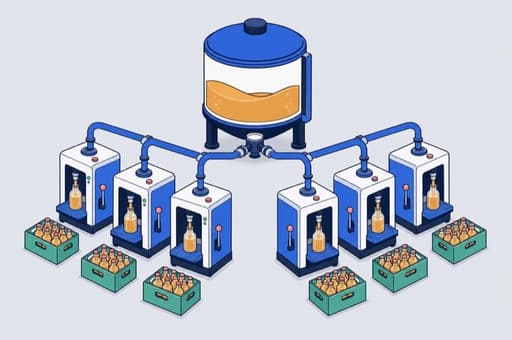
Trademark Coca-Cola
Coca-Cola, Diet Coke and Coca-Cola Zero Sugar are the center of the portfolio. One unnamed bottler bought exactly 10% of company revenue, so consumer loyalty and bottler execution both matter.
Competes with Pepsi and Pepsi Zero Sugar (PepsiCo) · Dr Pepper (Keurig Dr Pepper)
In plain English
The flagship is really a recipe business. Coca-Cola owns the formulas and the names; independent bottlers buy the concentrate, mix and package the drinks, then deliver them to stores and restaurants. It is like supplying the secret sauce while local kitchens handle the meals.
People asking for Coca-Cola pulls bottles and fountain servings through that chain. The parent earns mainly when bottlers replenish concentrate, so package choice, restaurant traffic and the prices bottlers receive all shape what comes back upstream.
Sprite and Fanta
Sprite and Fanta lead the flavored fizzy drinks outside the cola family, contributing roughly a fifth of company sales. Their job is to win meal and refreshment occasions where cola is not the first choice.
Competes with Starry and Mountain Dew (PepsiCo) · 7UP and Sunkist (Keurig Dr Pepper)
In plain English
Picture the fizzy-drink aisle after cola: lemon-lime, orange and other fruit flavors give shoppers a different familiar choice. Sprite and Fanta are the main global families here, joined by local names such as Fresca and Schweppes.
The money follows the same relay as Coca-Cola. Franchise bottlers buy flavor concentrate, make the drink and fight for space in stores, convenience coolers and restaurants. Affordable packages and zero-sugar versions help keep the brands in the running; weak local distribution can leave even a well-known flavor out of reach.
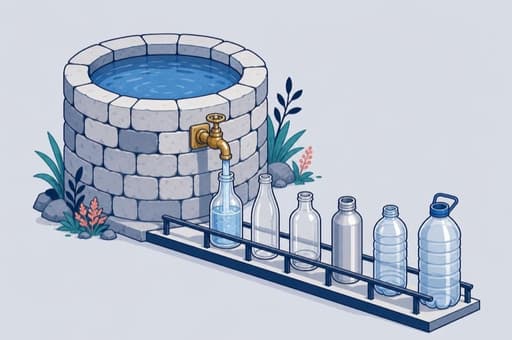
Dasani, smartwater, vitaminwater and Topo Chico
A water family spanning everyday, premium, enhanced and mineral choices, worth roughly a mid-single-digit share of sales. Access to water, packaging cost and reliable local filling are the quiet constraints.
Competes with Aquafina, LIFEWTR and bubly (PepsiCo) · CORE Hydration, evian and Peñafiel (Keurig Dr Pepper)
In plain English
Water sounds simple until it has to be sold everywhere. These brands turn different sources, mineral profiles, packages and price points into reasons to choose one bottle over another. Topo Chico's alcoholic offshoots sit elsewhere.
Stores, restaurants and convenience outlets order packaged water through local bottlers, which need permission to draw from sources, enough filling capacity and dense delivery routes. Coca-Cola makes money from concentrate or finished drinks depending on the market. Scarce water or expensive bottles can pinch supply even when people still want hydration.
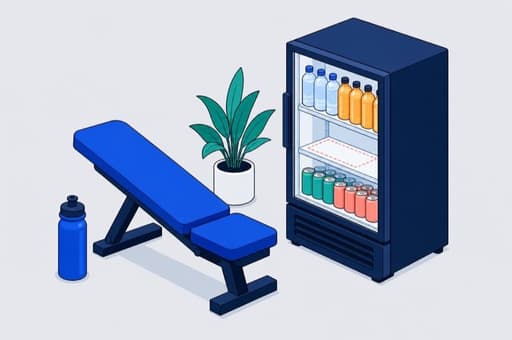
Powerade and BODYARMOR
Sports and everyday hydration drinks make up roughly a mid-single-digit share of sales. Powerade is global, while BODYARMOR leans toward North America and still has to prove its place after sizable write-downs.
Competes with Gatorade and Propel (PepsiCo) · Electrolit (Electrolit / Keurig Dr Pepper)
In plain English
The gym-bag brands sell flavored drinks with salts and other ingredients meant for exercise or everyday hydration. Powerade travels broadly; BODYARMOR and its lighter version are more centered on North America.
Shoppers create the demand, but cold bottles have to be waiting where thirst happens. Bottlers and food-service customers place the drinks in coolers, shops and venues, then reorder as they sell. Coca-Cola earns from concentrate and, in some routes, finished bottles. The hard part is winning scarce cooler space while making BODYARMOR's distribution pay off.
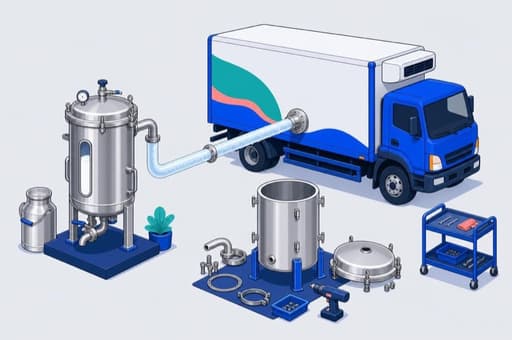
fairlife and Core Power
Filtered milk and protein shakes are a small but expanding North American line, around a mid-single-digit share of sales. New factory room is coming online; keeping chilled production and delivery running is the test.
Competes with Nurri protein shakes (Trilliant) · Oikos Protein Shakes (Danone)
In plain English
This is milk rebuilt for a different shelf: fairlife filters it to change the mix of protein and sugar, while Core Power turns that base into a nutrition shake. The result needs dairy plants, refrigerated storage and cold delivery rather than the usual syrup route.
Grocers, clubs and convenience stores pay for finished bottles that shoppers take home or drink after exercise. Coca-Cola grows sales only when factories can keep those cold shelves supplied. New room at the Webster plant is ramping through the rest of the year, making production uptime as important as demand.
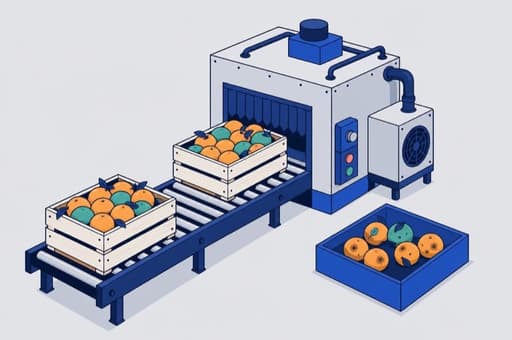
Minute Maid, Simply, innocent, Del Valle and AdeS
Juice, smoothies and plant-based drinks contribute roughly a mid-single-digit share of sales. Their fortunes depend less on fizzy-drink formulas and more on fruit crops, processing and, for some products, an unbroken cold trip to stores.
Competes with Tropicana and Naked (Tropicana Brands Group) · Mott's (Keurig Dr Pepper) · Silk and Alpro (Danone)
In plain English
An orange has a longer trip to the shelf than a spoonful of syrup. These brands squeeze, blend or process fruit and plants into juices, smoothies and dairy alternatives, then move them in packages that may need chilling.
Households buy them mainly through grocery and convenience stores. Coca-Cola and its partners earn on the packaged drink, while processors such as Cutrale supply much of the orange juice behind it. Bad weather, crop disease or a failed cold route can remove saleable bottles before consumer demand ever gets a vote.
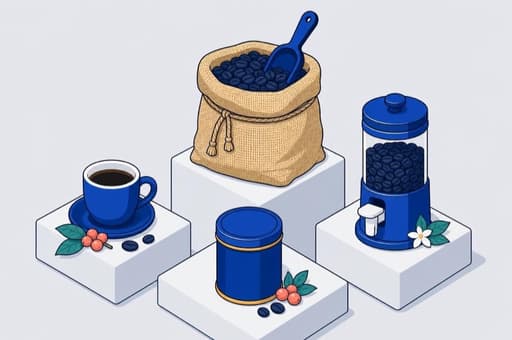
Costa, Georgia, Fuze Tea, Gold Peak and Ayataka
Coffee and tea bring in roughly a mid-single-digit share of sales through cafés, machines and packaged drinks. Each route succeeds differently, so crops, shop traffic and machine placement all deserve watching.
Competes with Starbucks ready-to-drink coffee and Lipton / Pure Leaf tea (PepsiCo joint ventures) · Keurig brewers and Snapple tea (Keurig Dr Pepper)
In plain English
Morning drinks reach people three ways here. Costa serves cups in shops, machines pour drinks in workplaces and other sites, and brands such as Georgia, Fuze Tea, Gold Peak and Ayataka arrive ready to drink in packages.
A café customer pays for a fresh cup; an office or venue supports a placed machine; a shopper buys a bottle or can that a bottler delivered. Those separate routes produce money differently, even when the ingredient begins as coffee or tea. Reliable crops matter, but so do busy stores and well-placed machines.


 Trademark Coca-ColaCoca-Cola, Diet Coke and Coca-Cola Zero Sugar are the center of the portfolio. One unnamed bottler bought exactly 10% of company revenue, so consumer loyalty and bottler execution both matter.
Coca-Cola, Diet Coke and Coca-Cola Zero Sugar are the center of the portfolio. One unnamed bottler bought exactly 10% of company revenue, so consumer loyalty and bottler execution both matter.
In plain English
The flagship is really a recipe business. Coca-Cola owns the formulas and the names; independent bottlers buy the concentrate, mix and package the drinks, then deliver them to stores and restaurants. It is like supplying the secret sauce while local kitchens handle the meals.
People asking for Coca-Cola pulls bottles and fountain servings through that chain. The parent earns mainly when bottlers replenish concentrate, so package choice, restaurant traffic and the prices bottlers receive all shape what comes back upstream.
Competes with Pepsi and Pepsi Zero Sugar (PepsiCo) · Dr Pepper (Keurig Dr Pepper)
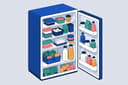 Sprite and FantaSprite and Fanta lead the flavored fizzy drinks outside the cola family, contributing roughly a fifth of company sales. Their job is to win meal and refreshment occasions where cola is not the first choice.
Sprite and Fanta lead the flavored fizzy drinks outside the cola family, contributing roughly a fifth of company sales. Their job is to win meal and refreshment occasions where cola is not the first choice.
In plain English
Picture the fizzy-drink aisle after cola: lemon-lime, orange and other fruit flavors give shoppers a different familiar choice. Sprite and Fanta are the main global families here, joined by local names such as Fresca and Schweppes.
The money follows the same relay as Coca-Cola. Franchise bottlers buy flavor concentrate, make the drink and fight for space in stores, convenience coolers and restaurants. Affordable packages and zero-sugar versions help keep the brands in the running; weak local distribution can leave even a well-known flavor out of reach.
Competes with Starry and Mountain Dew (PepsiCo) · 7UP and Sunkist (Keurig Dr Pepper)
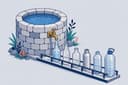 Dasani, smartwater, vitaminwater and Topo ChicoA water family spanning everyday, premium, enhanced and mineral choices, worth roughly a mid-single-digit share of sales. Access to water, packaging cost and reliable local filling are the quiet constraints.
A water family spanning everyday, premium, enhanced and mineral choices, worth roughly a mid-single-digit share of sales. Access to water, packaging cost and reliable local filling are the quiet constraints.
In plain English
Water sounds simple until it has to be sold everywhere. These brands turn different sources, mineral profiles, packages and price points into reasons to choose one bottle over another. Topo Chico's alcoholic offshoots sit elsewhere.
Stores, restaurants and convenience outlets order packaged water through local bottlers, which need permission to draw from sources, enough filling capacity and dense delivery routes. Coca-Cola makes money from concentrate or finished drinks depending on the market. Scarce water or expensive bottles can pinch supply even when people still want hydration.
Competes with Aquafina, LIFEWTR and bubly (PepsiCo) · CORE Hydration, evian and Peñafiel (Keurig Dr Pepper)
 Powerade and BODYARMORSports and everyday hydration drinks make up roughly a mid-single-digit share of sales. Powerade is global, while BODYARMOR leans toward North America and still has to prove its place after sizable write-downs.
Sports and everyday hydration drinks make up roughly a mid-single-digit share of sales. Powerade is global, while BODYARMOR leans toward North America and still has to prove its place after sizable write-downs.
In plain English
The gym-bag brands sell flavored drinks with salts and other ingredients meant for exercise or everyday hydration. Powerade travels broadly; BODYARMOR and its lighter version are more centered on North America.
Shoppers create the demand, but cold bottles have to be waiting where thirst happens. Bottlers and food-service customers place the drinks in coolers, shops and venues, then reorder as they sell. Coca-Cola earns from concentrate and, in some routes, finished bottles. The hard part is winning scarce cooler space while making BODYARMOR's distribution pay off.
Competes with Gatorade and Propel (PepsiCo) · Electrolit (Electrolit / Keurig Dr Pepper)
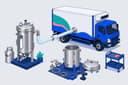 fairlife and Core PowerFiltered milk and protein shakes are a small but expanding North American line, around a mid-single-digit share of sales. New factory room is coming online; keeping chilled production and delivery running is the test.
Filtered milk and protein shakes are a small but expanding North American line, around a mid-single-digit share of sales. New factory room is coming online; keeping chilled production and delivery running is the test.
In plain English
This is milk rebuilt for a different shelf: fairlife filters it to change the mix of protein and sugar, while Core Power turns that base into a nutrition shake. The result needs dairy plants, refrigerated storage and cold delivery rather than the usual syrup route.
Grocers, clubs and convenience stores pay for finished bottles that shoppers take home or drink after exercise. Coca-Cola grows sales only when factories can keep those cold shelves supplied. New room at the Webster plant is ramping through the rest of the year, making production uptime as important as demand.
Competes with Nurri protein shakes (Trilliant) · Oikos Protein Shakes (Danone)
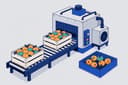 Minute Maid, Simply, innocent, Del Valle and AdeSJuice, smoothies and plant-based drinks contribute roughly a mid-single-digit share of sales. Their fortunes depend less on fizzy-drink formulas and more on fruit crops, processing and, for some products, an unbroken cold trip to stores.
Juice, smoothies and plant-based drinks contribute roughly a mid-single-digit share of sales. Their fortunes depend less on fizzy-drink formulas and more on fruit crops, processing and, for some products, an unbroken cold trip to stores.
In plain English
An orange has a longer trip to the shelf than a spoonful of syrup. These brands squeeze, blend or process fruit and plants into juices, smoothies and dairy alternatives, then move them in packages that may need chilling.
Households buy them mainly through grocery and convenience stores. Coca-Cola and its partners earn on the packaged drink, while processors such as Cutrale supply much of the orange juice behind it. Bad weather, crop disease or a failed cold route can remove saleable bottles before consumer demand ever gets a vote.
Competes with Tropicana and Naked (Tropicana Brands Group) · Mott's (Keurig Dr Pepper) · Silk and Alpro (Danone)
 Costa, Georgia, Fuze Tea, Gold Peak and AyatakaCoffee and tea bring in roughly a mid-single-digit share of sales through cafés, machines and packaged drinks. Each route succeeds differently, so crops, shop traffic and machine placement all deserve watching.
Coffee and tea bring in roughly a mid-single-digit share of sales through cafés, machines and packaged drinks. Each route succeeds differently, so crops, shop traffic and machine placement all deserve watching.
In plain English
Morning drinks reach people three ways here. Costa serves cups in shops, machines pour drinks in workplaces and other sites, and brands such as Georgia, Fuze Tea, Gold Peak and Ayataka arrive ready to drink in packages.
A café customer pays for a fresh cup; an office or venue supports a placed machine; a shopper buys a bottle or can that a bottler delivered. Those separate routes produce money differently, even when the ingredient begins as coffee or tea. Reliable crops matter, but so do busy stores and well-placed machines.
Competes with Starbucks ready-to-drink coffee and Lipton / Pure Leaf tea (PepsiCo joint ventures) · Keurig brewers and Snapple tea (Keurig Dr Pepper)
Named in filings, launches and programs
- Monster Energy distribution and feesEcosystemCoca-Cola coordinates distribution with Monster and its bottlers, earning fees without treating Monster as one of its own drink brands.
- Alcoholic packaged drinksProduct lineJack Daniel's & Coca-Cola, Lemon-Dou and Topo Chico Hard Seltzer form a small licensed or separately managed alcoholic-drinks line.
- Coca-Cola FreestylePlatformCustomizable fountain machines tie restaurant drink choice to syrup refills, equipment and service relationships.
- Marriott Global Beverage AgreementCustomer program · RampingA phased beverage relationship across roughly ten thousand Marriott properties, covering rooms, restaurants, meetings and events; financial terms were not disclosed.
- Thums Up, Aquarius and CielProduct lineRegional brands with meaningful local demand but no separately disclosed sales.
- I LOHAS, Maaza and Santa ClaraProduct lineMore locally relevant drinks whose individual sales are not disclosed.
Monster Energy distribution and feesEcosystem
Coca-Cola coordinates distribution with Monster and its bottlers, earning fees without treating Monster as one of its own drink brands.
Alcoholic packaged drinksProduct line
Jack Daniel's & Coca-Cola, Lemon-Dou and Topo Chico Hard Seltzer form a small licensed or separately managed alcoholic-drinks line.
Coca-Cola FreestylePlatform
Customizable fountain machines tie restaurant drink choice to syrup refills, equipment and service relationships.
Marriott Global Beverage AgreementCustomer program · Ramping
A phased beverage relationship across roughly ten thousand Marriott properties, covering rooms, restaurants, meetings and events; financial terms were not disclosed.
Thums Up, Aquarius and CielProduct line
Regional brands with meaningful local demand but no separately disclosed sales.
I LOHAS, Maaza and Santa ClaraProduct line
More locally relevant drinks whose individual sales are not disclosed.