
PPL (PPL)
Owns regulated electric and gas utilities across Pennsylvania, Kentucky, Virginia and Rhode Island.
Something off on this page? Send us feedback.
PPL is a power company in three states. In Kentucky it owns the power plants as well as the wires; in Pennsylvania and Rhode Island it only delivers what others generate. Profit comes not from selling more electricity but from what regulators let it earn on what it builds — and it is building hard, because data centers are asking for far more power than its grids carry today.
Item facts: FY2025 · year ended Dec 31, 2025, from filings, earnings calls and company pages.
Judgment weights, not filed revenue
The band summarizes business focus and direction. ~ marks estimates.
7 in detail · 8 more below
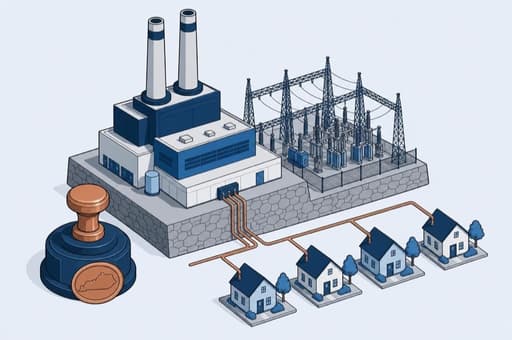
Kentucky Regulated — LG&E and Kentucky Utilities
The only part of PPL that both makes electricity and delivers it: about 7,500 megawatts of plants and 1.3 million customers in Kentucky. It is the biggest slice of sales at 41%, and the place where fuel prices and plant overruns land.
Competes with Kentucky Power retail electricity (AEP) · Data-center power service (East Kentucky Power Cooperative)
In plain English
Two old Kentucky utilities, Louisville Gas and Electric and Kentucky Utilities, run as one business. They make electricity at their own stations, carry it over their own lines, bill 1.3 million homes and businesses across 77 Kentucky counties and five in Virginia, and pipe natural gas to Kentucky households besides.
Kentucky lets a utility own its power stations, so PPL earns a regulator-set return on the plants as well as on the poles and wires — which is why this is the largest slice of sales. The flip side comes with it: when coal and gas get dearer or a build runs long, Kentucky is where it shows up.
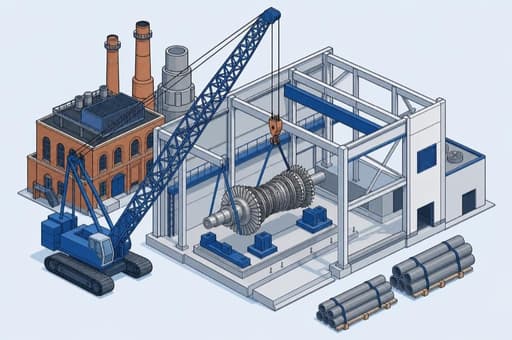
Kentucky large-load pipeline and new generation
Data-center and factory developers have asked Kentucky for 13.7 gigawatts, nearly twice what LG&E and KU's plants make today. Regulators cleared roughly $3 billion of new gas units; management expects only about a quarter of that demand to become real load by 2032.
Competes with Kentucky Power data-center service (AEP) · Paducah campus dedicated generation (Brookfield & NextEra) · Recently bought gas plant fleet (Talen Energy)
In plain English
Picture a line outside a restaurant with a fixed number of tables. Developers have asked LG&E and KU for 13.7 gigawatts — a gigawatt is roughly one big power station's output — against a fleet that makes about 7.5, and about 1.3 gigawatts of that queue has signed agreements putting money behind the request.
To serve them Kentucky is building two large gas-fired units, E.W. Brown 12 and Mill Creek 6, and keeping an old coal unit running past its retirement date. Regulators let the spending be recovered through bills over decades, which is how a new plant becomes profit — and why PPL has spent more cash than the business brings in for four years running.
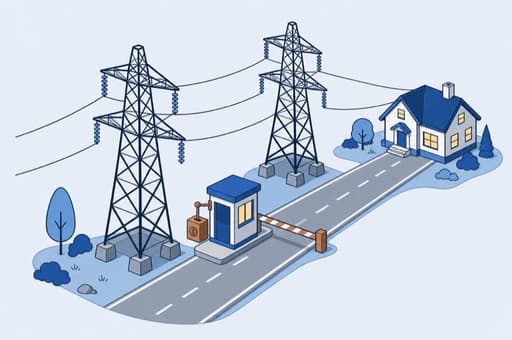
Pennsylvania Regulated — PPL Electric Utilities
A wires-only utility: 1.5 million customers, 48,000 miles of line, no power plants of its own. A third of sales, yet last quarter it added as much to profit as Kentucky's bigger share did. A $275 million rate rise took effect in July 2026.
Competes with Met-Ed, Penelec and Penn Power delivery (FirstEnergy) · PECO delivery service (Exelon)
In plain English
No power plants here at all. PPL Electric buys electricity for customers who have not picked their own supplier and passes the cost on with nothing kept back, then gets paid for one thing: the delivery. A toll road works the same way — what the trucks carry is not its business, the passage is.
So a third of PPL's sales produce as much quarterly profit per share as Kentucky's bigger share. The money follows the poles, substations and wires it puts in the ground, because regulators set a return on that investment. A July 2026 settlement added $275 million of annual revenue while holding the bill increase under 4%.
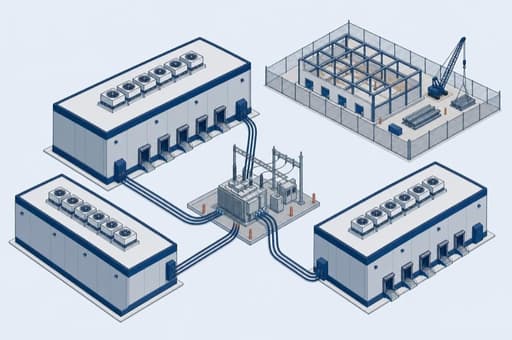
PPL Electric large-load data center program
Data centers queuing to plug into PPL's Pennsylvania wires — roughly 32 gigawatts of agreements by August 2026, a tenth straight quarterly rise, with over 6.5 under construction. Most of the money arrives between 2029 and 2032, and only part of the queue converts.
Competes with Data Center Alley grid connections (Dominion Energy) · Homer City Energy Campus (Homer City Redevelopment) · Pennsylvania delivery zones (FirstEnergy)
In plain English
A data center is a warehouse full of computers, and it draws electricity the way a small town does. Before one can open, the local wires company has to agree to carry power to it — in central and eastern Pennsylvania that is PPL Electric, which now holds about 32 gigawatts of such agreements, a gigawatt being roughly one big power station's output.
QTS, AWS, PowerHouse and CoreWeave have all been named as active in the territory, and more than 11 gigawatts sit under firm service contracts. The terms are strict: ten years minimum, payment on at least 80% of the capacity reserved whether used or not, money up front, a fee for leaving early. PPL owns no plants here; it earns on the lines it builds to reach them.
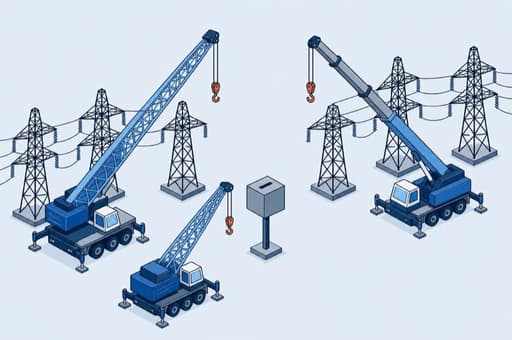
PPL Electric competitive transmission
Power lines won in open contests rather than by right of territory — almost $600 million of such work was awarded in PPL's area in the year to February 2026, none of it inside the company's published spending plan.
Competes with Open-contest transmission bids (LS Power Grid) · Competitive transmission projects (NextEra Energy Transmission) · Regional transmission line bids (Transource)
In plain English
Normally a utility builds inside its own patch and nobody else may. Big new links between regions work differently: the regional grid operator opens them to contest, and anyone with the engineering and the balance sheet can bid — LS Power Grid, NextEra's transmission arm, Transource, or PPL itself.
Winning one is the rare way this business grows without asking a state commission for a rate increase, since federal transmission charges reset every year on a formula. Management counted almost $600 million of such work awarded in its territory in the year to February 2026 — money sitting outside the roughly $23 billion PPL has already told investors it will spend through 2029.
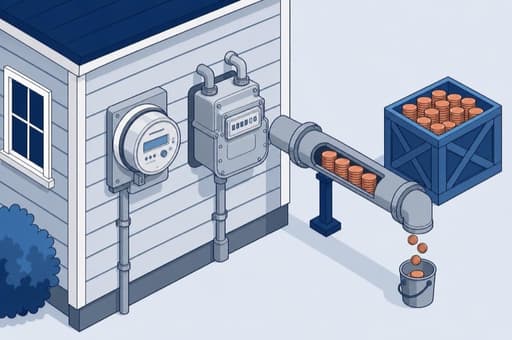
Rhode Island Regulated — Rhode Island Energy
Electricity and gas for about 790,000 Rhode Island customers, bought from National Grid in 2022. A quarter of sales, but roughly a tenth of last quarter's profit — most of the bill is energy cost passed straight through.
Competes with New England delivery service (Eversource Energy) · Massachusetts delivery service (National Grid US) · United Illuminating delivery service (Avangrid)
In plain English
The former Narragansett Electric, bought from National Grid in 2022 and renamed. It delivers electricity and gas to roughly 790,000 homes and businesses in Rhode Island.
Its revenue line flatters it. Most of what customers pay is the cost of the energy itself, handed on to wholesale suppliers with nothing kept back — which is how a quarter of PPL's sales turned into three cents of the thirty-three cents the company earned per share last quarter. Sales here have been falling, and that is mostly cheaper energy rather than lost customers. The unglamorous job is replacing ageing pipe and wire and getting regulators to pay for it; in September 2026 they did, for the first time in eight years.
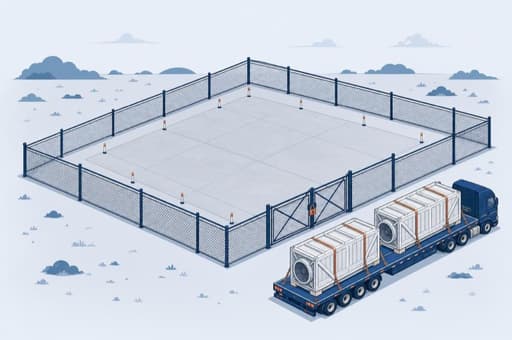
Invitium Energy
A venture with Blackstone to build gas plants in Pennsylvania that would sell power straight to data centers, outside the regulated utilities. Turbines for more than 5 gigawatts are reserved; as of August 2026 no customer had signed.
Competes with Susquehanna nuclear supply deal with Amazon (Talen Energy) · Existing power plants sold direct (Constellation)
In plain English
A gas-plant business PPL owns with Blackstone Infrastructure — the infrastructure arm of the investment firm Blackstone — built deliberately outside the regulated utilities. That is the point of it: standing outside, it can sign a long-term supply deal straight with one giant data-center customer instead of waiting for the regional power market to change its rules.
PPL holds 51%. Turbines for more than 5 gigawatts are reserved, a place in the queue to connect to the grid is held, and a PPL-linked company has signed for eleven-plus square miles of land in north-eastern Pennsylvania. What is missing is a customer: no supply agreement was signed as of August 2026, and management will not start building until one is. Those reserved turbines would cost roughly $12.5–15 billion to build out.


 Kentucky Regulated — LG&E and Kentucky UtilitiesThe only part of PPL that both makes electricity and delivers it: about 7,500 megawatts of plants and 1.3 million customers in Kentucky. It is the biggest slice of sales at 41%, and the place where fuel prices and plant overruns land.
The only part of PPL that both makes electricity and delivers it: about 7,500 megawatts of plants and 1.3 million customers in Kentucky. It is the biggest slice of sales at 41%, and the place where fuel prices and plant overruns land.
In plain English
Two old Kentucky utilities, Louisville Gas and Electric and Kentucky Utilities, run as one business. They make electricity at their own stations, carry it over their own lines, bill 1.3 million homes and businesses across 77 Kentucky counties and five in Virginia, and pipe natural gas to Kentucky households besides.
Kentucky lets a utility own its power stations, so PPL earns a regulator-set return on the plants as well as on the poles and wires — which is why this is the largest slice of sales. The flip side comes with it: when coal and gas get dearer or a build runs long, Kentucky is where it shows up.
Competes with Kentucky Power retail electricity (AEP) · Data-center power service (East Kentucky Power Cooperative)
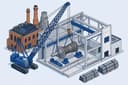 Kentucky large-load pipeline and new generationData-center and factory developers have asked Kentucky for 13.7 gigawatts, nearly twice what LG&E and KU's plants make today. Regulators cleared roughly $3 billion of new gas units; management expects only about a quarter of that demand to become real load by 2032.
Data-center and factory developers have asked Kentucky for 13.7 gigawatts, nearly twice what LG&E and KU's plants make today. Regulators cleared roughly $3 billion of new gas units; management expects only about a quarter of that demand to become real load by 2032.
In plain English
Picture a line outside a restaurant with a fixed number of tables. Developers have asked LG&E and KU for 13.7 gigawatts — a gigawatt is roughly one big power station's output — against a fleet that makes about 7.5, and about 1.3 gigawatts of that queue has signed agreements putting money behind the request.
To serve them Kentucky is building two large gas-fired units, E.W. Brown 12 and Mill Creek 6, and keeping an old coal unit running past its retirement date. Regulators let the spending be recovered through bills over decades, which is how a new plant becomes profit — and why PPL has spent more cash than the business brings in for four years running.
Competes with Kentucky Power data-center service (AEP) · Paducah campus dedicated generation (Brookfield & NextEra) · Recently bought gas plant fleet (Talen Energy)
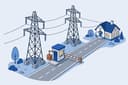 Pennsylvania Regulated — PPL Electric UtilitiesA wires-only utility: 1.5 million customers, 48,000 miles of line, no power plants of its own. A third of sales, yet last quarter it added as much to profit as Kentucky's bigger share did. A $275 million rate rise took effect in July 2026.
A wires-only utility: 1.5 million customers, 48,000 miles of line, no power plants of its own. A third of sales, yet last quarter it added as much to profit as Kentucky's bigger share did. A $275 million rate rise took effect in July 2026.
In plain English
No power plants here at all. PPL Electric buys electricity for customers who have not picked their own supplier and passes the cost on with nothing kept back, then gets paid for one thing: the delivery. A toll road works the same way — what the trucks carry is not its business, the passage is.
So a third of PPL's sales produce as much quarterly profit per share as Kentucky's bigger share. The money follows the poles, substations and wires it puts in the ground, because regulators set a return on that investment. A July 2026 settlement added $275 million of annual revenue while holding the bill increase under 4%.
Competes with Met-Ed, Penelec and Penn Power delivery (FirstEnergy) · PECO delivery service (Exelon)
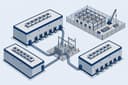 PPL Electric large-load data center programData centers queuing to plug into PPL's Pennsylvania wires — roughly 32 gigawatts of agreements by August 2026, a tenth straight quarterly rise, with over 6.5 under construction. Most of the money arrives between 2029 and 2032, and only part of the queue converts.
Data centers queuing to plug into PPL's Pennsylvania wires — roughly 32 gigawatts of agreements by August 2026, a tenth straight quarterly rise, with over 6.5 under construction. Most of the money arrives between 2029 and 2032, and only part of the queue converts.
In plain English
A data center is a warehouse full of computers, and it draws electricity the way a small town does. Before one can open, the local wires company has to agree to carry power to it — in central and eastern Pennsylvania that is PPL Electric, which now holds about 32 gigawatts of such agreements, a gigawatt being roughly one big power station's output.
QTS, AWS, PowerHouse and CoreWeave have all been named as active in the territory, and more than 11 gigawatts sit under firm service contracts. The terms are strict: ten years minimum, payment on at least 80% of the capacity reserved whether used or not, money up front, a fee for leaving early. PPL owns no plants here; it earns on the lines it builds to reach them.
Competes with Data Center Alley grid connections (Dominion Energy) · Homer City Energy Campus (Homer City Redevelopment) · Pennsylvania delivery zones (FirstEnergy)
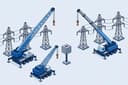 PPL Electric competitive transmissionPower lines won in open contests rather than by right of territory — almost $600 million of such work was awarded in PPL's area in the year to February 2026, none of it inside the company's published spending plan.
Power lines won in open contests rather than by right of territory — almost $600 million of such work was awarded in PPL's area in the year to February 2026, none of it inside the company's published spending plan.
In plain English
Normally a utility builds inside its own patch and nobody else may. Big new links between regions work differently: the regional grid operator opens them to contest, and anyone with the engineering and the balance sheet can bid — LS Power Grid, NextEra's transmission arm, Transource, or PPL itself.
Winning one is the rare way this business grows without asking a state commission for a rate increase, since federal transmission charges reset every year on a formula. Management counted almost $600 million of such work awarded in its territory in the year to February 2026 — money sitting outside the roughly $23 billion PPL has already told investors it will spend through 2029.
Competes with Open-contest transmission bids (LS Power Grid) · Competitive transmission projects (NextEra Energy Transmission) · Regional transmission line bids (Transource)
 Rhode Island Regulated — Rhode Island EnergyElectricity and gas for about 790,000 Rhode Island customers, bought from National Grid in 2022. A quarter of sales, but roughly a tenth of last quarter's profit — most of the bill is energy cost passed straight through.
Electricity and gas for about 790,000 Rhode Island customers, bought from National Grid in 2022. A quarter of sales, but roughly a tenth of last quarter's profit — most of the bill is energy cost passed straight through.
In plain English
The former Narragansett Electric, bought from National Grid in 2022 and renamed. It delivers electricity and gas to roughly 790,000 homes and businesses in Rhode Island.
Its revenue line flatters it. Most of what customers pay is the cost of the energy itself, handed on to wholesale suppliers with nothing kept back — which is how a quarter of PPL's sales turned into three cents of the thirty-three cents the company earned per share last quarter. Sales here have been falling, and that is mostly cheaper energy rather than lost customers. The unglamorous job is replacing ageing pipe and wire and getting regulators to pay for it; in September 2026 they did, for the first time in eight years.
Competes with New England delivery service (Eversource Energy) · Massachusetts delivery service (National Grid US) · United Illuminating delivery service (Avangrid)
 Invitium EnergyA venture with Blackstone to build gas plants in Pennsylvania that would sell power straight to data centers, outside the regulated utilities. Turbines for more than 5 gigawatts are reserved; as of August 2026 no customer had signed.
A venture with Blackstone to build gas plants in Pennsylvania that would sell power straight to data centers, outside the regulated utilities. Turbines for more than 5 gigawatts are reserved; as of August 2026 no customer had signed.
In plain English
A gas-plant business PPL owns with Blackstone Infrastructure — the infrastructure arm of the investment firm Blackstone — built deliberately outside the regulated utilities. That is the point of it: standing outside, it can sign a long-term supply deal straight with one giant data-center customer instead of waiting for the regional power market to change its rules.
PPL holds 51%. Turbines for more than 5 gigawatts are reserved, a place in the queue to connect to the grid is held, and a PPL-linked company has signed for eleven-plus square miles of land in north-eastern Pennsylvania. What is missing is a customer: no supply agreement was signed as of August 2026, and management will not start building until one is. Those reserved turbines would cost roughly $12.5–15 billion to build out.
Competes with Susquehanna nuclear supply deal with Amazon (Talen Energy) · Existing power plants sold direct (Constellation)
Named in filings, launches and programs
- Customer Protection Transmission RiderService · AnnouncedFiled in Pennsylvania in September 2026: a new way of billing one large-customer class for transmission, aimed at taking effect in early 2028.
- X-energy Xe-100 reactor collaborationProduct · AnnouncedExploring small factory-built nuclear reactors in Kentucky for big power users, helped by a state grant programme of $75M for up to three early sites.
- Lewis Ridge pumped storageProduct · Announced266 MW of water pumped uphill and let down again to make power, with developer Rye Development; not in the current spending plan or earnings projections.
- Marion and Mercer County solarProduct line · RampingSolar farms for LG&E and KU cleared in earlier Kentucky approvals — small beside the coal and gas fleet that carries the load.
- E.W. Brown Energy StorageProduct lineA Kentucky battery site approved back in 2022; a further 400 MW was deferred in 2025 and a Cane Run battery request withdrawn, refilable later.
- Mill Creek Unit 2 coal life extensionProduct lineAn old coal unit kept running past its 2027 retirement; regulators agreed in August 2026 that earlier costs of keeping it open can be recovered.
- Rhode Island hold-harmless bill creditsServiceAbout $170M of credits on Rhode Island bills from October 2026, settling a tax-related promise made when PPL bought the utility from National Grid.
- Rhode Island Infrastructure, Safety and Reliability planServiceOver $330M approved in the latest annual filing to replace ageing pipe and wire — the main way Rhode Island adds to what it earns a return on.
Customer Protection Transmission RiderService · Announced
Filed in Pennsylvania in September 2026: a new way of billing one large-customer class for transmission, aimed at taking effect in early 2028.
X-energy Xe-100 reactor collaborationProduct · Announced
Exploring small factory-built nuclear reactors in Kentucky for big power users, helped by a state grant programme of $75M for up to three early sites.
Lewis Ridge pumped storageProduct · Announced
266 MW of water pumped uphill and let down again to make power, with developer Rye Development; not in the current spending plan or earnings projections.
Marion and Mercer County solarProduct line · Ramping
Solar farms for LG&E and KU cleared in earlier Kentucky approvals — small beside the coal and gas fleet that carries the load.
E.W. Brown Energy StorageProduct line
A Kentucky battery site approved back in 2022; a further 400 MW was deferred in 2025 and a Cane Run battery request withdrawn, refilable later.
Mill Creek Unit 2 coal life extensionProduct line
An old coal unit kept running past its 2027 retirement; regulators agreed in August 2026 that earlier costs of keeping it open can be recovered.
Rhode Island hold-harmless bill creditsService
About $170M of credits on Rhode Island bills from October 2026, settling a tax-related promise made when PPL bought the utility from National Grid.
Rhode Island Infrastructure, Safety and Reliability planService
Over $330M approved in the latest annual filing to replace ageing pipe and wire — the main way Rhode Island adds to what it earns a return on.