
Walmart (WMT)
Runs omnichannel discount stores and membership clubs backed by pickup, delivery, and advertising.
Something off on this page? Send us feedback.
Walmart is still, overwhelmingly, a seller of groceries and everyday goods, with thin profit on an enormous flow of shopping. Stores now double as pickup and delivery hubs, while the faster-growing marketplace, advertising and memberships earn fees from the same traffic. The core remains lopsided toward American essentials; the newer layer is making each visit worth more without Walmart owning every product.
Item facts: FY2026 · year ended Jan 31, 2026, from filings, earnings calls and company pages.
Judgment weights, not filed revenue
The band summarizes business focus and direction. ~ marks estimates.
8 in detail · 11 more below
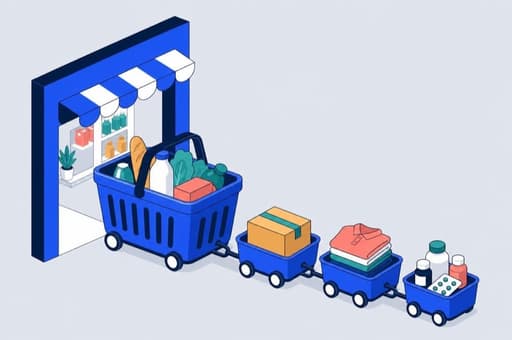
Walmart U.S. — Grocery
Grocery and consumables are the traffic engine: $285.482 billion in FY2026 sales, about two-fifths of Walmart. Watch food costs and whether frequent trips also pull shoppers into delivery, membership and higher-profit merchandise.
Competes with Kroger supermarkets (The Kroger Co.) · Food & Beverage and same-day fulfillment (Target)
In plain English
This is the weekly basket: food, drinks and household supplies bought again and again. Walmart buys the goods, keeps them on its shelves and sells them through stores, pickup and home delivery.
The profit on each basket is modest, but the steady stream of trips makes grocery the company's anchor. Those visits also give Walmart chances to sell clothes, household goods, delivery and memberships. Farmers, food makers and packaged-goods suppliers depend on Walmart's volume; Walmart depends on safe food, refrigerated transport and keeping shelves full without letting costs outrun its low-price promise.
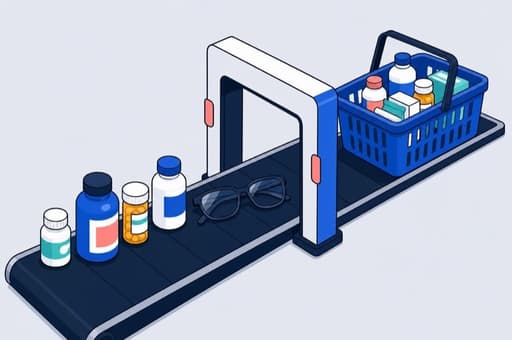
Walmart U.S. — Health and wellness
Pharmacy, nonprescription medicines and optical goods produced $69.547 billion in FY2026. Regulated drug prices drove the latest quarterly decline, so prescription volume can rise without revenue or profit following.
Competes with CVS Pharmacy (CVS Health) · Walgreens Pharmacy (Walgreen Co.)
In plain English
A pharmacy counter does double duty. It fills prescriptions and sells medicine and glasses, while also giving shoppers another reason to enter the store or return for a refill.
Patients and public or private health plans pay for prescriptions; shoppers pay for the rest. Walmart earns from that flow, but it cannot set every price freely. Payment rules, government-set drug prices, staffing and medicine supply all shape what a prescription is worth. The latest decline shows the catch: serving the same health need can bring in less money when the allowed price falls.
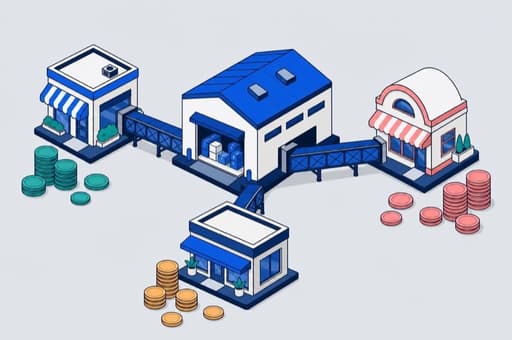
Walmart International
Stores, clubs and shopping sites outside the United States produced $130.423 billion in FY2026 sales. Watch whether local growth can outrun currency swings, changing rules and uneven delivery networks.
Competes with Amazon Marketplace and FBA (Amazon) · Blinkit (Eternal) · Instamart (Swiggy)
In plain English
Outside the United States, Walmart is less one chain than a collection of local retail businesses across eighteen countries. People shop through thousands of stores and clubs as well as local websites; Mexico and Central America, China and Canada are the largest disclosed pieces.
Each business buys goods and resells them to households and companies, much as Walmart does at home. The hard part is that every country brings its own currency, rules and delivery system. Sales can grow locally yet look smaller after conversion into dollars, and restrictions can limit how cash or investment moves between markets.
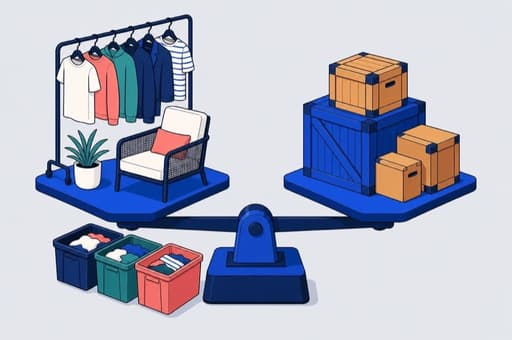
Walmart U.S. — General Merchandise
Clothes, home goods, tools, toys and electronics brought in $115.060 billion in FY2026. They usually earn more profit per sale than grocery, but weak demand, tariffs or a bad inventory call can quickly end in price cuts.
Competes with Target general merchandise and Target Plus (Target) · Amazon Store and Marketplace (Amazon)
In plain English
The aisles beyond food hold clothes, furniture, electronics, toys, tools and seasonal goods. Walmart buys many of these products before shoppers do, so it earns the difference between the shelf price and its total cost.
That difference is usually better than on groceries, but demand is less dependable. A shirt or patio set can wait; dinner cannot. If shoppers pull back, a season changes or tariffs lift import costs, unsold goods pile up and prices get cut. Online listings from outside sellers widen the choice without requiring Walmart to own every item first.
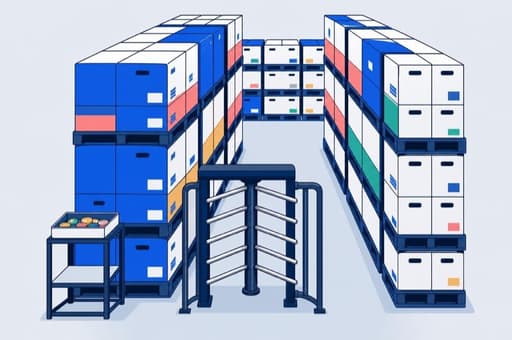
Sam's Club U.S.
Bulk merchandise sold through members-only clubs produced $93.015 billion in FY2026 sales. Renewal depends on shoppers continuing to see enough savings and convenience to justify the fee, especially when fuel prices move.
Competes with Costco membership warehouses (Costco) · BJ's memberships and clubs (BJ's Wholesale Club)
In plain English
Think pantry-sized packs stacked on warehouse shelves. Sam's Club sells bulk food, household supplies and other goods to households and businesses that pay for the right to shop there.
The yearly fee arrives whether a member buys one cart or fifty, helping support small profits on each item. The goods still produce nearly all the sales, while the fee makes loyalty unusually valuable. Clubs, fuel stations, the website and Scan & Go checkout all reinforce the membership. If savings feel weak or visits become inconvenient, renewals—and that dependable fee income—come under pressure.
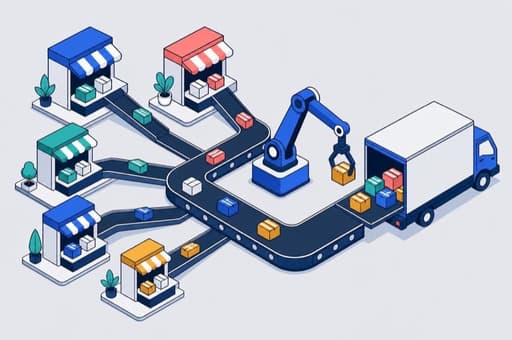
Walmart Marketplace and Walmart Fulfillment Services
In the July 2026 quarter, Marketplace grew 52%. Outside sellers add choice without Walmart buying their goods, while storage and shipping services add fees; seller quality, delivery speed and returns decide whether the system keeps working.
Competes with Amazon Marketplace and Fulfillment by Amazon (Amazon) · Target Plus (Target)
In plain English
Here Walmart rents out its audience and delivery machinery. Outside sellers list their own goods on Walmart's shopping sites, then either ship orders themselves or pay Walmart to store, pack, send and take back the products.
Walmart collects a cut of each sale, generally three to twenty cents per dollar, plus storage and per-item charges when it handles the package. That brings far less money onto Walmart's sales line than owning and reselling the item, but it avoids tying up cash in the goods. Nearly half of Marketplace volume now uses Walmart's package service, making reliable delivery central to the offer.
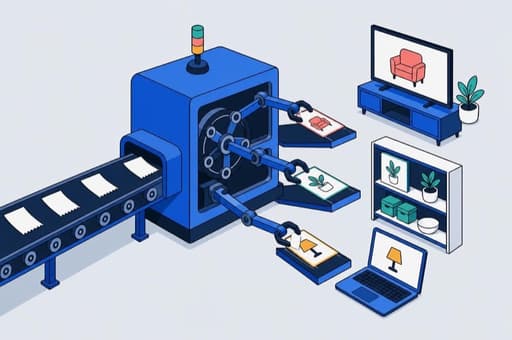
Walmart Connect
Ads tied to shopping behavior generated $6.4 billion worldwide in FY2026. The business is growing quickly; watch whether television space and self-service tools sustain that pace without weakening measurement or customer trust.
Competes with Amazon Ads Sponsored Products, display and DSP (Amazon) · Roundel (Target)
In plain English
Every shopping trip leaves clues about what people search for and buy. Walmart Connect lets brands and outside sellers pay to place products in search results, on screens, around stores and across other media, then uses purchase data to show whether an ad worked.
It is like charging suppliers for the best endcap, except the shelf can be a website or television and the result is easier to count. Walmart earns the advertising fee without buying another box of inventory. Its smart-TV business and newly acquired self-service tools add more places for those campaigns to appear.
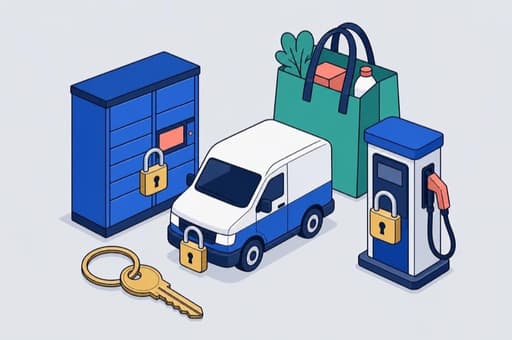
Walmart+
In August 2026, Walmart said members spend about four times as much as nonmembers. The question is whether delivery, shipping, fuel and streaming keep households renewing without their use costing more than the fee earns.
Competes with Amazon Prime (Amazon) · Target Circle 360 (Target)
In plain English
The paid shortcut through Walmart bundles store delivery, parcel shipping, fuel savings and streaming benefits into one yearly membership. A household pays ninety-eight dollars, then gets more convenience each time it shops.
The fee itself is only part of the point. Members visit and spend more, so the program tries to turn an occasional shopper into a routine one across the app, website and stores. Dense delivery routes help the math because several nearby orders are cheaper to serve than scattered ones. Reliability and frequent use keep the bundle worth renewing; heavy use also raises Walmart's delivery bill.


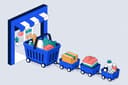 Walmart U.S. — GroceryGrocery and consumables are the traffic engine: $285.482 billion in FY2026 sales, about two-fifths of Walmart. Watch food costs and whether frequent trips also pull shoppers into delivery, membership and higher-profit merchandise.
Grocery and consumables are the traffic engine: $285.482 billion in FY2026 sales, about two-fifths of Walmart. Watch food costs and whether frequent trips also pull shoppers into delivery, membership and higher-profit merchandise.
In plain English
This is the weekly basket: food, drinks and household supplies bought again and again. Walmart buys the goods, keeps them on its shelves and sells them through stores, pickup and home delivery.
The profit on each basket is modest, but the steady stream of trips makes grocery the company's anchor. Those visits also give Walmart chances to sell clothes, household goods, delivery and memberships. Farmers, food makers and packaged-goods suppliers depend on Walmart's volume; Walmart depends on safe food, refrigerated transport and keeping shelves full without letting costs outrun its low-price promise.
Competes with Kroger supermarkets (The Kroger Co.) · Food & Beverage and same-day fulfillment (Target)
 Walmart U.S. — Health and wellnessPharmacy, nonprescription medicines and optical goods produced $69.547 billion in FY2026. Regulated drug prices drove the latest quarterly decline, so prescription volume can rise without revenue or profit following.
Pharmacy, nonprescription medicines and optical goods produced $69.547 billion in FY2026. Regulated drug prices drove the latest quarterly decline, so prescription volume can rise without revenue or profit following.
In plain English
A pharmacy counter does double duty. It fills prescriptions and sells medicine and glasses, while also giving shoppers another reason to enter the store or return for a refill.
Patients and public or private health plans pay for prescriptions; shoppers pay for the rest. Walmart earns from that flow, but it cannot set every price freely. Payment rules, government-set drug prices, staffing and medicine supply all shape what a prescription is worth. The latest decline shows the catch: serving the same health need can bring in less money when the allowed price falls.
Competes with CVS Pharmacy (CVS Health) · Walgreens Pharmacy (Walgreen Co.)
 Walmart InternationalStores, clubs and shopping sites outside the United States produced $130.423 billion in FY2026 sales. Watch whether local growth can outrun currency swings, changing rules and uneven delivery networks.
Stores, clubs and shopping sites outside the United States produced $130.423 billion in FY2026 sales. Watch whether local growth can outrun currency swings, changing rules and uneven delivery networks.
In plain English
Outside the United States, Walmart is less one chain than a collection of local retail businesses across eighteen countries. People shop through thousands of stores and clubs as well as local websites; Mexico and Central America, China and Canada are the largest disclosed pieces.
Each business buys goods and resells them to households and companies, much as Walmart does at home. The hard part is that every country brings its own currency, rules and delivery system. Sales can grow locally yet look smaller after conversion into dollars, and restrictions can limit how cash or investment moves between markets.
Competes with Amazon Marketplace and FBA (Amazon) · Blinkit (Eternal) · Instamart (Swiggy)
 Walmart U.S. — General MerchandiseClothes, home goods, tools, toys and electronics brought in $115.060 billion in FY2026. They usually earn more profit per sale than grocery, but weak demand, tariffs or a bad inventory call can quickly end in price cuts.
Clothes, home goods, tools, toys and electronics brought in $115.060 billion in FY2026. They usually earn more profit per sale than grocery, but weak demand, tariffs or a bad inventory call can quickly end in price cuts.
In plain English
The aisles beyond food hold clothes, furniture, electronics, toys, tools and seasonal goods. Walmart buys many of these products before shoppers do, so it earns the difference between the shelf price and its total cost.
That difference is usually better than on groceries, but demand is less dependable. A shirt or patio set can wait; dinner cannot. If shoppers pull back, a season changes or tariffs lift import costs, unsold goods pile up and prices get cut. Online listings from outside sellers widen the choice without requiring Walmart to own every item first.
Competes with Target general merchandise and Target Plus (Target) · Amazon Store and Marketplace (Amazon)
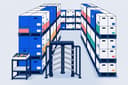 Sam's Club U.S.Bulk merchandise sold through members-only clubs produced $93.015 billion in FY2026 sales. Renewal depends on shoppers continuing to see enough savings and convenience to justify the fee, especially when fuel prices move.
Bulk merchandise sold through members-only clubs produced $93.015 billion in FY2026 sales. Renewal depends on shoppers continuing to see enough savings and convenience to justify the fee, especially when fuel prices move.
In plain English
Think pantry-sized packs stacked on warehouse shelves. Sam's Club sells bulk food, household supplies and other goods to households and businesses that pay for the right to shop there.
The yearly fee arrives whether a member buys one cart or fifty, helping support small profits on each item. The goods still produce nearly all the sales, while the fee makes loyalty unusually valuable. Clubs, fuel stations, the website and Scan & Go checkout all reinforce the membership. If savings feel weak or visits become inconvenient, renewals—and that dependable fee income—come under pressure.
Competes with Costco membership warehouses (Costco) · BJ's memberships and clubs (BJ's Wholesale Club)
 Walmart Marketplace and Walmart Fulfillment ServicesIn the July 2026 quarter, Marketplace grew 52%. Outside sellers add choice without Walmart buying their goods, while storage and shipping services add fees; seller quality, delivery speed and returns decide whether the system keeps working.
In the July 2026 quarter, Marketplace grew 52%. Outside sellers add choice without Walmart buying their goods, while storage and shipping services add fees; seller quality, delivery speed and returns decide whether the system keeps working.
In plain English
Here Walmart rents out its audience and delivery machinery. Outside sellers list their own goods on Walmart's shopping sites, then either ship orders themselves or pay Walmart to store, pack, send and take back the products.
Walmart collects a cut of each sale, generally three to twenty cents per dollar, plus storage and per-item charges when it handles the package. That brings far less money onto Walmart's sales line than owning and reselling the item, but it avoids tying up cash in the goods. Nearly half of Marketplace volume now uses Walmart's package service, making reliable delivery central to the offer.
Competes with Amazon Marketplace and Fulfillment by Amazon (Amazon) · Target Plus (Target)
 Walmart ConnectAds tied to shopping behavior generated $6.4 billion worldwide in FY2026. The business is growing quickly; watch whether television space and self-service tools sustain that pace without weakening measurement or customer trust.
Ads tied to shopping behavior generated $6.4 billion worldwide in FY2026. The business is growing quickly; watch whether television space and self-service tools sustain that pace without weakening measurement or customer trust.
In plain English
Every shopping trip leaves clues about what people search for and buy. Walmart Connect lets brands and outside sellers pay to place products in search results, on screens, around stores and across other media, then uses purchase data to show whether an ad worked.
It is like charging suppliers for the best endcap, except the shelf can be a website or television and the result is easier to count. Walmart earns the advertising fee without buying another box of inventory. Its smart-TV business and newly acquired self-service tools add more places for those campaigns to appear.
Competes with Amazon Ads Sponsored Products, display and DSP (Amazon) · Roundel (Target)
 Walmart+In August 2026, Walmart said members spend about four times as much as nonmembers. The question is whether delivery, shipping, fuel and streaming keep households renewing without their use costing more than the fee earns.
In August 2026, Walmart said members spend about four times as much as nonmembers. The question is whether delivery, shipping, fuel and streaming keep households renewing without their use costing more than the fee earns.
In plain English
The paid shortcut through Walmart bundles store delivery, parcel shipping, fuel savings and streaming benefits into one yearly membership. A household pays ninety-eight dollars, then gets more convenience each time it shops.
The fee itself is only part of the point. Members visit and spend more, so the program tries to turn an occasional shopper into a routine one across the app, website and stores. Dense delivery routes help the math because several nearby orders are cheaper to serve than scattered ones. Reliability and frequent use keep the bundle worth renewing; heavy use also raises Walmart's delivery bill.
Competes with Amazon Prime (Amazon) · Target Circle 360 (Target)
Named in filings, launches and programs
- Walmart U.S. — Other categoriesProduct line$12.886 billion of services and merchandise outside Walmart U.S.'s three named categories in FY2026.
- Great ValueBrandWalmart's U.S. store-brand range for groceries and everyday consumables.
- bettergoodsBrandA Walmart U.S. food brand listed among the company's own-label ranges.
- Member's MarkBrandSam's Club's own-label range spanning groceries and general merchandise.
- Data Ventures / ScintillaServiceTurns Walmart's shopping data and analysis into a paid service for suppliers.
- FlipkartBrandWalmart's Indian online-shopping business, approximately eighty-five percent owned at January 2026.
- PhonePeBrandIndian digital-payments business, approximately seventy-three percent owned at January 2026, with a possible stock-market listing under consideration.
- SparkyPlatform · RampingAn artificial-intelligence shopping helper launched across categories in Walmart's app in June 2025.
- VIZIOBrandSmart-TV and advertising platform bought in December 2024 for $1.9 billion after counting the cash Walmart received in the deal.
- Vibe.coBrandSelf-service television-ad buying platform acquired in August 2026 and folded into Walmart's advertising business.
- Walmart EV charging networkEcosystem · RampingA fast-charging network being added at Walmart stores; its economics remain undisclosed.
Walmart U.S. — Other categoriesProduct line
$12.886 billion of services and merchandise outside Walmart U.S.'s three named categories in FY2026.
Great ValueBrand
Walmart's U.S. store-brand range for groceries and everyday consumables.
bettergoodsBrand
A Walmart U.S. food brand listed among the company's own-label ranges.
Member's MarkBrand
Sam's Club's own-label range spanning groceries and general merchandise.
Data Ventures / ScintillaService
Turns Walmart's shopping data and analysis into a paid service for suppliers.
FlipkartBrand
Walmart's Indian online-shopping business, approximately eighty-five percent owned at January 2026.
PhonePeBrand
Indian digital-payments business, approximately seventy-three percent owned at January 2026, with a possible stock-market listing under consideration.
SparkyPlatform · Ramping
An artificial-intelligence shopping helper launched across categories in Walmart's app in June 2025.
VIZIOBrand
Smart-TV and advertising platform bought in December 2024 for $1.9 billion after counting the cash Walmart received in the deal.
Vibe.coBrand
Self-service television-ad buying platform acquired in August 2026 and folded into Walmart's advertising business.
Walmart EV charging networkEcosystem · Ramping
A fast-charging network being added at Walmart stores; its economics remain undisclosed.